


Blood Sugar Test: Why Regular Screening Matters
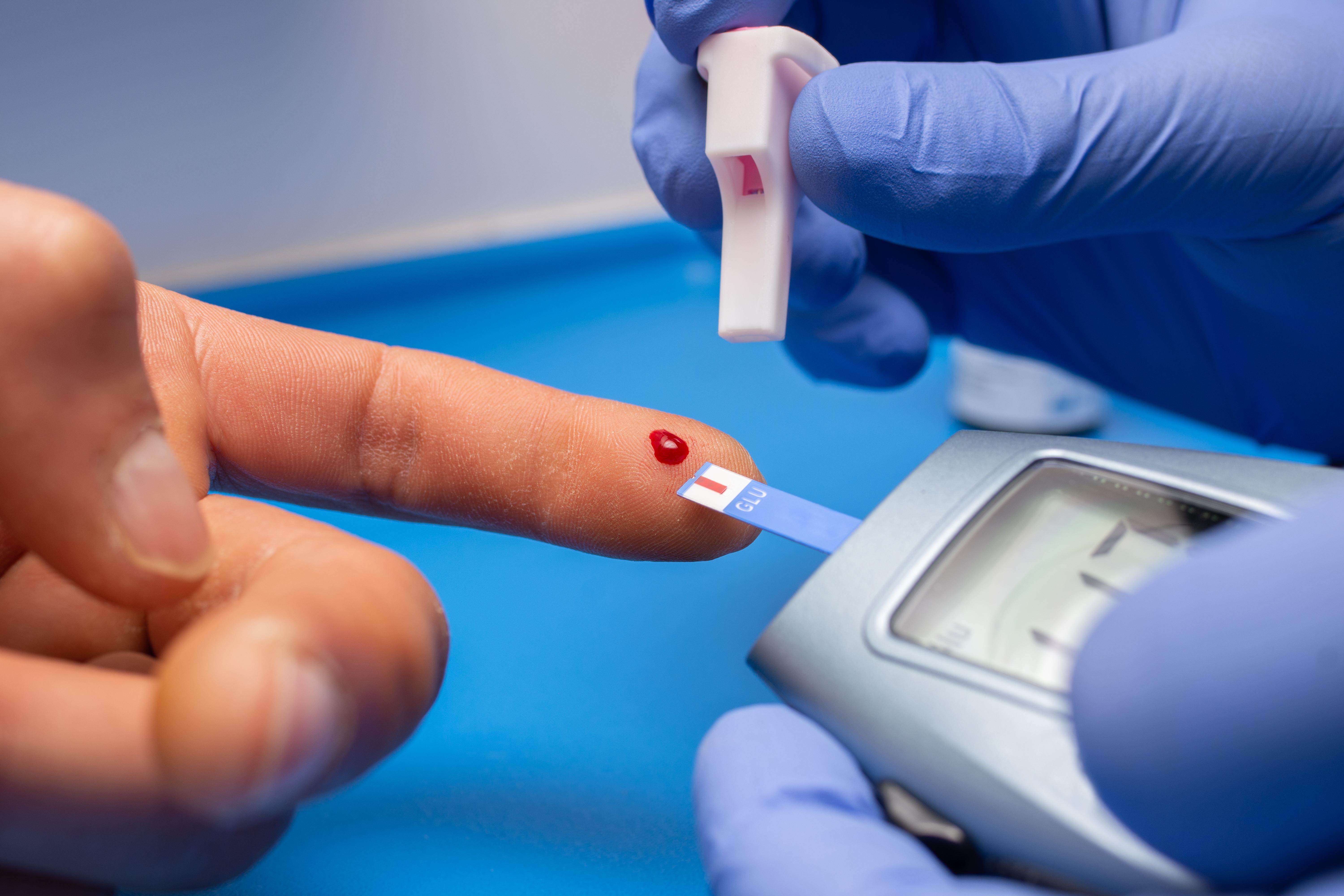
A blood sugar test is one of the most important tools for evaluating your body's ability to regulate glucose. Whether you are monitoring diabetes, checking for prediabetes, or tracking your overall metabolic health, the accuracy of your blood glucose results is essential. Even small mistakes before or during testing can lead to misleading readings, making it difficult for healthcare providers to assess your condition correctly.
An inaccurate Blood Sugar Test Dubai result may lead to unnecessary concern, delayed diagnosis, or incorrect treatment decisions. Fortunately, most testing errors can be avoided with proper preparation and consistent testing habits. Understanding what influences your blood glucose levels and following recommended testing guidelines can help ensure reliable results every time.
Know Which Blood Sugar Test You Are Taking:
Not every blood sugar test serves the same purpose. Before preparing for the test, understand which type has been recommended by your healthcare provider.
A fasting blood sugar test measures glucose after an overnight fast and is commonly used to diagnose diabetes or prediabetes.
A random blood sugar test checks glucose at any time during the day regardless of meals.
A postprandial blood sugar test evaluates how your body handles glucose approximately two hours after eating.
The HbA1c test measures your average blood glucose levels over the past two to three months, providing a broader picture of long-term blood sugar control.
Knowing the purpose of your test helps you prepare correctly and improves the reliability of the results.
Prepare Properly Before Your Appointment:
Preparation plays a major role in obtaining accurate blood sugar readings.
If your doctor requests a fasting blood sugar test, avoid eating or drinking anything except water for at least eight to twelve hours before the test. Consuming even small amounts of food or sugary beverages can significantly affect glucose levels.
Stay hydrated by drinking water, as dehydration may concentrate blood glucose and produce higher readings.
Continue or pause medications only according to your healthcare provider's instructions, as certain medicines may influence blood sugar levels.
Following preparation guidelines ensures laboratory measurements accurately reflect your metabolic health.
Wash Your Hands Before Testing:
For people using a blood glucose meter at home, hand hygiene is often overlooked.
Food residue, fruit juice, lotion, or dirt on your fingertips can contaminate the blood sample and produce falsely elevated readings.
Before testing:
-
Wash your hands with soap and warm water.
-
Dry them completely.
-
Avoid using alcohol wipes unless necessary, as residual alcohol may interfere with results if not fully dry.
Using clean hands is one of the simplest ways to improve blood glucose monitoring accuracy.
Use Quality Testing Equipment:
Your blood sugar readings are only as reliable as the equipment you use.
Always check:
-
Test strip expiration dates.
-
Proper storage conditions.
-
Glucose meter battery level.
-
Device calibration if required.
Store testing supplies in a cool, dry location away from direct sunlight and humidity.
Damaged or expired test strips may provide inconsistent glucose readings, leading to unnecessary confusion about your blood sugar control.
Choose the Right Time for Testing:
Blood glucose naturally changes throughout the day.
Testing at consistent times helps create meaningful comparisons between readings.
Common testing times include:
-
Before breakfast
-
Before meals
-
Two hours after meals
-
Before bedtime
-
Before and after exercise
Your healthcare provider may recommend different schedules depending on your diabetes treatment plan or health goals.
Consistency allows healthcare professionals to identify patterns instead of isolated numbers.
Avoid Common Factors That Can Alter Results:
Several everyday factors may temporarily influence blood sugar test results.
These include:
-
Stress
-
Illness
-
Poor sleep
-
Smoking
-
Alcohol consumption
-
Intense exercise immediately before testing
-
High-sugar meals
Whenever possible, test under similar daily conditions to minimize unnecessary variations.
If unusual circumstances occur, record them alongside your blood sugar readings for future reference.
Record Your Readings Consistently:
A single blood sugar result provides limited information.
Tracking results over weeks or months reveals trends that help evaluate glucose management more effectively.
Consider recording:
-
Date and time
-
Blood glucose reading
-
Meal details
-
Physical activity
-
Medications
-
Stress levels
-
Sleep quality
Many blood glucose meters and mobile health applications automatically store readings, making long-term monitoring easier.
Detailed records also help healthcare providers make informed treatment decisions.
Understand That One High Reading Is Not Always a Problem:
Many people become anxious after seeing one elevated blood sugar reading.
However, temporary increases can occur due to illness, emotional stress, medications, or dietary choices.
Instead of focusing on a single result, evaluate patterns across multiple blood sugar tests.
Persistent abnormal readings deserve medical attention, while isolated fluctuations often require simple lifestyle adjustments rather than immediate concern.
Support Accurate Results Through Healthy Daily Habits:
Your daily routine influences both your blood sugar levels and the consistency of your test results.
Helpful habits include:
Eat Balanced Meals:
Choose high-fiber vegetables, lean proteins, healthy fats, legumes, and whole grains to promote stable blood glucose levels.
Stay Physically Active:
Regular exercise improves insulin sensitivity and supports healthy glucose metabolism.
Drink Enough Water:
Proper hydration contributes to more consistent blood glucose measurements and supports kidney function.
Sleep Well:
Seven to nine hours of quality sleep helps regulate hormones involved in insulin production and glucose control.
Manage Stress:
Relaxation techniques, meditation, and breathing exercises may reduce stress-related blood sugar fluctuations.
These lifestyle practices improve overall metabolic health while supporting more predictable blood glucose readings.
Avoid Testing Mistakes at Home:
Home blood glucose monitoring is highly effective when performed correctly.
Common mistakes include:
-
Squeezing the finger too hard
-
Using insufficient blood
-
Reusing lancets excessively
-
Improper test strip insertion
-
Testing with wet hands
-
Ignoring equipment maintenance
Following manufacturer instructions carefully improves both accuracy and confidence in your results.
When Laboratory Testing Is the Better Choice?
Although home glucose monitoring provides valuable day-to-day information, laboratory blood sugar testing remains the gold standard for diagnosis.
Healthcare providers may recommend laboratory testing when:
-
Diagnosing diabetes
-
Monitoring HbA1c levels
-
Confirming unexpected home readings
-
Evaluating treatment effectiveness
-
Screening high-risk individuals
Laboratory equipment undergoes strict quality control procedures, providing highly reliable measurements.
Questions to Ask Your Healthcare Provider:
To better understand your blood sugar test results, consider asking:
-
What type of blood sugar test do I need?
-
How often should I test?
-
What is my target blood glucose range?
-
How do medications affect my readings?
-
Should I monitor blood sugar at home?
-
What lifestyle changes can improve my glucose levels?
Open communication ensures you understand your results and receive personalized recommendations.
Small Improvements Lead to Better Long-Term Results:
Accurate blood sugar testing is not achieved through one perfect test but through consistent habits over time.
Simple improvements—such as preparing correctly, testing at the same time each day, using quality equipment, maintaining healthy nutrition, staying active, and recording your readings—can dramatically improve the usefulness of your blood glucose monitoring.
Reliable test results allow early identification of metabolic changes, better diabetes management, and more effective prevention of long-term complications.
Conclusion:
A blood sugar Lab tests is one of the most valuable tools for monitoring your health, but its effectiveness depends on accuracy. Proper preparation, correct testing techniques, consistent timing, and healthy lifestyle choices all contribute to dependable blood glucose readings. Whether you are managing diabetes, screening for prediabetes, or maintaining overall wellness, following these practical tips ensures your blood sugar test provides meaningful information that supports informed healthcare decisions. Accurate results today can lead to healthier outcomes for years to come, making careful blood glucose monitoring an essential part of preventive healthcare.

 Arabic
 French
 Spanish
 Portuguese
 Deutsch
 Turkish
 Dutch
Dutch
 Italiano
 Russian
 Romaian
 Portuguese (Brazil)
 Greek
Greek