


How Hormonal Hair Patterns Can Change the Laser Treatment Approach
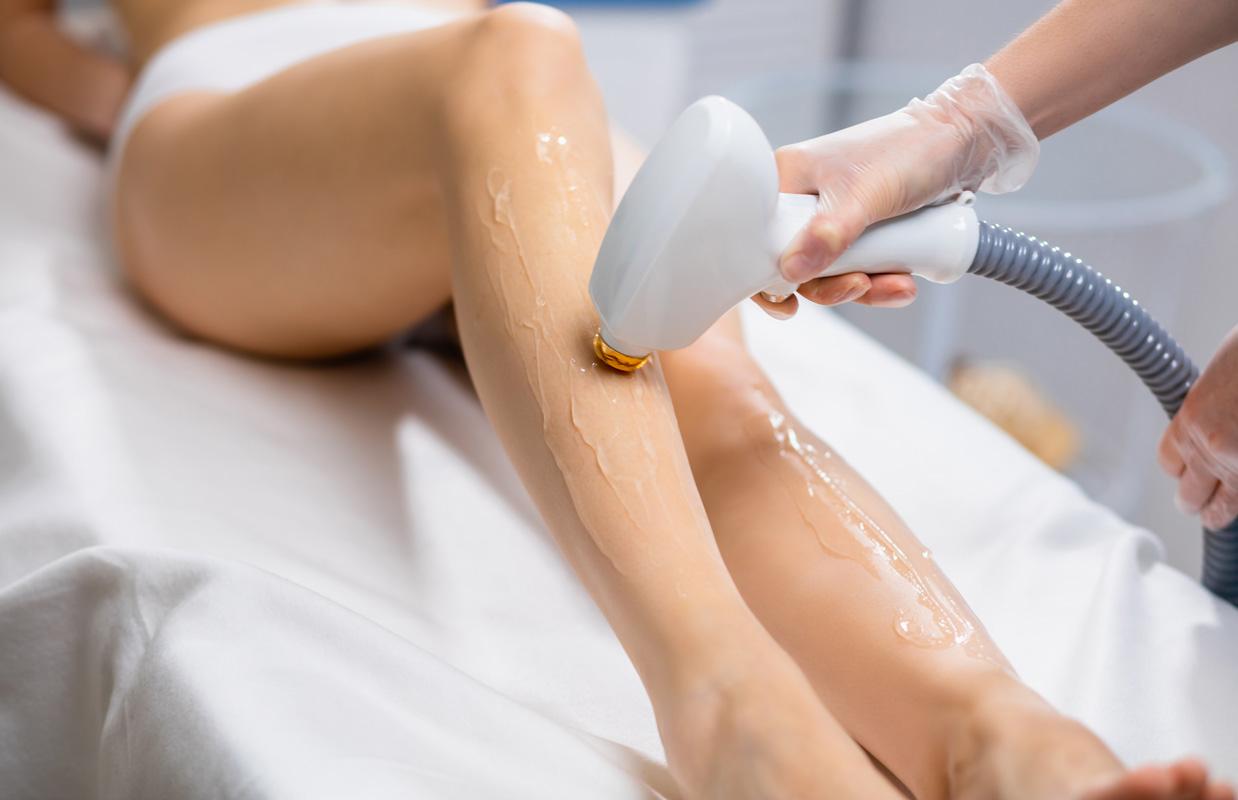
Hormonal changes can influence where hair grows, how quickly it returns, and how it responds to hair-reduction treatments. For people considering Laser Hair Removal In Islamabad, understanding hormonal hair patterns can help set realistic expectations and explain why some areas may need a different treatment strategy than others. While laser hair removal can provide long-term hair reduction, hormonal factors may influence the number of sessions, maintenance requirements, and overall response.
What Are Hormonal Hair Patterns?
Hormonal hair patterns refer to changes in hair growth associated with fluctuations or differences in hormone activity.
Certain hormones, particularly androgens, can influence the development and growth of hair follicles. When hormonal activity affects follicles that are sensitive to these signals, hair may become thicker, darker, or more noticeable.
This can occur in different areas of the body, including the face, chin, upper lip, neck, chest, abdomen, and other regions.
The pattern varies from person to person, which is why laser treatment plans should be individualized rather than based solely on the treatment area.
Why Hormones Matter for Laser Hair Removal
Laser hair removal primarily targets pigment within the hair. However, the reason behind the hair growth can influence what happens over time.
If hormonal signals continue stimulating certain follicles, those follicles may remain capable of producing new hair even after previous hairs have been reduced.
This does not necessarily mean that laser treatment is ineffective. Instead, hormonal influences can make the treatment process more gradual and may increase the likelihood that maintenance sessions will be useful.
Common Areas Affected by Hormonal Hair Growth
Hormonal hair patterns are often more noticeable in areas where hair growth is particularly sensitive to androgen activity.
These can include:
- Chin and jawline
- Upper lip
- Neck
- Sideburn region
- Chest
- Abdomen
- Lower back
Facial areas can sometimes be especially challenging because hormonal influences may continue to stimulate follicles over time.
How Hormonal Hair Differs From Ordinary Body Hair
Not all unwanted hair has the same biological characteristics.
Hormonal hair may gradually become coarser and darker, particularly when follicles are strongly influenced by androgen activity.
In contrast, many areas of ordinary body hair may follow a more predictable growth pattern.
This distinction matters because laser response depends partly on hair thickness, pigmentation, growth stage, and follicle characteristics.
How Treatment Planning May Change
A practitioner may consider several factors before designing a treatment approach for hormonally influenced hair.
These include:
- Hair density
- Hair thickness
- Hair pigmentation
- Skin tone
- Treatment area
- Previous laser sessions
- Pattern of regrowth
- Changes in hair over time
Rather than treating every area identically, the practitioner can assess how individual zones are responding and determine whether the treatment strategy needs adjustment.
Hormonal Hair May Require More Patience
One of the most important expectations is that hormonal hair can sometimes require a longer-term approach.
The initial sessions may reduce existing responsive hairs, but hormonal stimulation can contribute to future growth from follicles that remain active.
Patients may notice that some areas become significantly clearer while others continue showing intermittent regrowth.
This difference is not unusual and should be discussed during follow-up appointments.
The Importance of Hair Growth Cycles
Laser hair removal does not target every follicle equally at every moment.
Hair follicles naturally move through different stages of growth. Laser treatment tends to be more effective when the hair is in a suitable active growth phase.
Hormonal stimulation can influence follicular activity and may contribute to ongoing changes in hair growth patterns.
For this reason, treatment sessions are spaced apart rather than performed continuously.
Can Hormonal Hair Become Finer With Treatment?
Yes, responsive hair can become less noticeable over a course of treatment.
Patients may observe changes such as:
- Reduced hair density
- Slower regrowth
- Finer remaining hairs
- Longer periods between shaving
- Less visible stubble
However, hormonal stimulation may mean that some follicles continue producing hair.
The goal should therefore be understood as long-term hair reduction rather than an absolute guarantee that every hair will disappear permanently.
Why Facial Hair Can Be More Challenging
Facial hair is particularly sensitive to hormonal influences.
The chin, jawline, and upper lip can contain follicles that respond to androgen-related signals.
As a result, facial hair may sometimes behave differently from hair on the legs or arms.
A practitioner may monitor facial areas more closely and adjust the treatment approach according to the individual's response.
Hormonal Changes Can Occur Over Time
Hair patterns are not necessarily fixed throughout life.
Hormonal fluctuations can occur during different stages of adulthood and may influence hair growth.
Because of this, someone who initially experiences excellent hair reduction may notice new or returning growth later.
This does not necessarily mean that previous treatments were unsuccessful.
Instead, newly active or hormonally stimulated follicles may require additional attention.
How Practitioners Monitor Hormonal Hair Patterns
Progress is not assessed simply by looking at whether hair exists or does not exist.
A practitioner may consider:
| Factor | Why It Matters |
|---|---|
| Hair density | Shows how much visible hair remains |
| Hair thickness | Helps assess changes in individual strands |
| Regrowth speed | Indicates how quickly hair becomes visible |
| Hair distribution | Reveals whether growth is becoming localized |
| Treatment area | Different zones can respond differently |
| Skin response | Helps guide safe treatment planning |
| Previous sessions | Shows how the area has responded over time |
Tracking these factors can help distinguish normal gradual regrowth from a pattern that may require a modified treatment strategy.
Why Maintenance Sessions May Be Helpful
Some patients may benefit from occasional maintenance treatments after completing their primary course.
This can be particularly relevant when hormonal factors continue influencing follicle activity.
Maintenance does not necessarily mean the treatment failed. It can simply reflect the fact that hair follicles remain biologically active and can change over time.
The frequency of maintenance should be determined according to individual regrowth patterns rather than a universal schedule.
Does Laser Treatment Affect Hormones?
Laser hair removal is designed to target hair follicles and does not function as a hormonal treatment.
If excessive or rapidly changing hair growth appears to be associated with an underlying hormonal issue, a healthcare professional may recommend appropriate evaluation.
Treating the hair itself and addressing an underlying cause are separate considerations.
Why Individual Assessment Is Important
Two people with similar-looking facial hair may have very different growth patterns.
One person may respond quickly to treatment, while another may experience continued regrowth because of differences in follicle characteristics or hormonal influences.
This is why individualized assessment is important before beginning or modifying a treatment course.
Preparing for Laser Treatment
Patients should follow their practitioner's instructions before each session.
Common recommendations may include avoiding waxing or plucking for a period before treatment because these methods remove the hair from the follicle.
Shaving is often preferred because it leaves the follicular structure available for the laser to target.
The exact preparation instructions can vary depending on the treatment area and device being used.
What Results Should You Expect?
Results differ significantly between individuals.
A successful course may lead to noticeably reduced hair density and slower, finer regrowth.
However, hormonally influenced areas can require more sessions or occasional maintenance.
Patients should focus on gradual improvement rather than expecting all hair to disappear after one or two treatments.
FAQs
Can hormones affect laser hair removal results?
Yes. Hormonal activity can stimulate certain follicles and contribute to ongoing or new hair growth, particularly in areas such as the face.
Does hormonal hair respond to laser treatment?
It can respond, especially when the hair is sufficiently pigmented and in a suitable growth phase. However, continued hormonal stimulation may lead to additional regrowth.
Why does facial hair sometimes return after laser treatment?
Hormonal influences can activate or continue stimulating follicles, which may result in new or returning facial hair over time.
Does hormonal hair require more laser sessions?
It may. The number of sessions varies according to hair characteristics, treatment area, growth cycle, and individual hormonal influences.
Can hormonal hair become finer?
Responsive follicles may produce finer and less noticeable hair after treatment, although results vary.
Are maintenance sessions normal?
Yes. Some individuals, particularly those experiencing ongoing hormonal hair growth, may benefit from occasional maintenance treatments.
Can laser hair removal balance hormones?
No. Laser hair removal targets hair follicles and is not a treatment for hormonal imbalance.
Which areas are commonly affected by hormonal hair growth?
The chin, jawline, upper lip, neck, chest, and abdomen can be influenced by hormonal hair-growth patterns.
Should hormonal hair always be medically investigated?
Not necessarily. However, sudden or significant changes in hair growth should be discussed with a qualified healthcare professional to determine whether further evaluation is appropriate.
Conclusion
Hormonal hair patterns can make laser hair removal a more individualized process. Changes in hormone activity can influence hair thickness, density, distribution, and regrowth, particularly in areas such as the face and neck. While laser treatment can provide significant long-term hair reduction, hormonally influenced follicles may require patience, careful progress tracking, and occasional maintenance.
Understanding how your particular hair-growth pattern behaves can help create more realistic expectations and a better treatment plan. For professional assessment and personalized guidance, Dynamic Aesthetic Clinic can help patients understand their hair-growth characteristics and determine an appropriate approach to laser hair removal.

 Arabic
 French
 Spanish
 Portuguese
 Deutsch
 Turkish
 Dutch
Dutch
 Italiano
 Russian
 Romaian
 Portuguese (Brazil)
 Greek
Greek