


7 Painting Tools That Can Make DIY Projects Easier
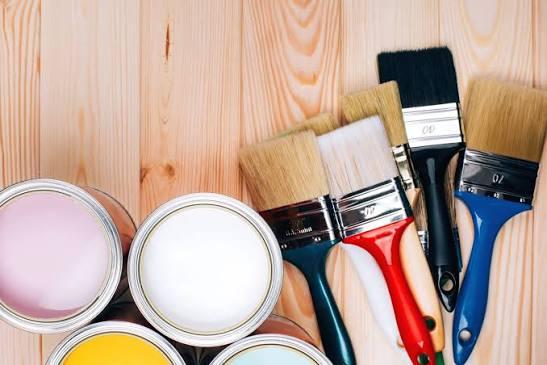
A painting project can look simple until you start dealing with corners, textured walls, ceilings, trim, and uneven surfaces. The right equipment can make these challenges much easier to handle while helping you apply paint more evenly and efficiently.
Instead of buying every tool available, focus on building a practical collection that covers preparation, application, detail work, and cleanup. Choosing tools according to the surface and type of paint can also improve the final result.
1. Keep Several Paint Brushes Available
A good brush is essential for edges, corners, trim, doors, and other areas where a roller isn't practical.
Angled brushes are particularly useful for cutting in around ceilings, windows, and trim, while flat brushes can cover broader areas. Having multiple sizes available gives you better control when working on different parts of a room.
2. Choose a Roller for Larger Surfaces
Rollers can cover large walls and ceilings much faster than a brush.
However, roller covers aren't one-size-fits-all. The nap or pile depth should match the texture of the surface. Smooth walls generally need a shorter nap, while rough or textured surfaces require a thicker one to reach recessed areas.
3. Don't Forget the Paint Tray
A paint tray may seem basic, but it makes roller application considerably easier.
It gives you a controlled area for loading the roller and helps distribute paint across the cover before it reaches the wall. Tray liners can also make cleanup faster after the project.
4. Add an Extension Pole
Painting ceilings or tall walls can become tiring when you constantly need to stretch or reposition a ladder.
An extension pole attached to a compatible roller can increase your reach and make large areas easier to cover. It can also help maintain a more comfortable working position throughout the project.
5. Use Preparation Tools Before Painting
Good results start before the paint reaches the surface.
Sandpaper, sanding blocks, scrapers, putty knives, and other preparation equipment can help remove loose material, smooth rough areas, and repair small imperfections. Surface preparation helps paint adhere properly and contributes to a cleaner finish.
6. Protect Areas You Don't Want Painted
Painter's tape and drop cloths can save considerable cleanup time.
Use tape around suitable trim, windows, baseboards, and other areas where you need a clean boundary. Cover floors and furniture before starting, particularly when using rollers that may create splatter.
Taking a few minutes to prepare the room can prevent accidental paint marks later.
7. Clean Your Tools After the Job
Good equipment can be reused when it's properly maintained.
Clean brushes and roller covers according to the paint manufacturer's instructions. Remove paint before it hardens, allow tools to dry appropriately, and store them in a clean location.
Regular cleaning helps preserve brushes and rollers so they're ready for the next project.
Build a Practical Painting Kit
You don't need a professional contractor's entire workshop to handle most household painting projects. A combination of quality brushes, suitable rollers, a tray, extension pole, preparation equipment, protective materials, and cleaning supplies can cover many common jobs.
The right Painting Tools can make the difference between struggling through a project and completing it with greater control and confidence. By matching each tool to the surface and task, homeowners can work more efficiently and achieve a smoother, more consistent finish.

 English
 Arabic
 French
 Spanish
 Portuguese
 Deutsch
 Turkish
 Dutch
 Italiano
 Russian
 Romaian
 Portuguese (Brazil)