


5 Electrical Warning Signs Lancaster CA Homeowners Should Never Ignore
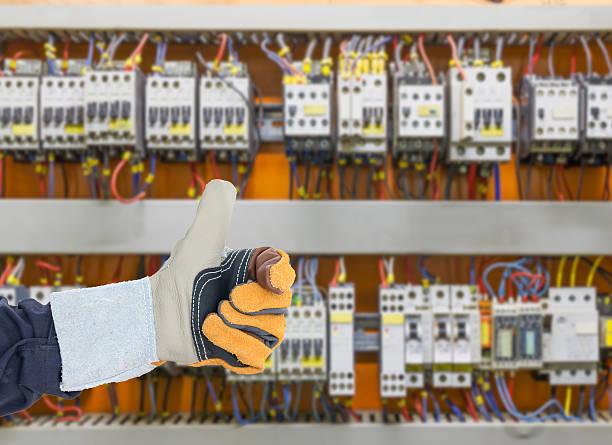
Most homeowners brush off a flickering light or a tripped breaker, assuming it's nothing. Reset the breaker, move on. But some of these little annoyances are your house trying to tell you something is genuinely wrong, and ignoring them long enough can turn a minor wiring fault into a house fire. If you've been noticing anything unusual with your outlets, lights, or panel lately, this is worth reading before you dismiss it again. For homeowners in the area, finding Electrician in Lancaster CA before a small problem becomes a big one is almost always the cheaper and safer call.
Frequent Circuit Breaker Trips
A breaker trips to protect you. That's the whole point of it. But if yours is tripping once a week, or you've got one circuit that you constantly have to reset, that's not normal and it's not something to just live with. The breaker is reacting to something, whether it's a circuit that's pulling more current than it's rated for, a loose connection somewhere in the wiring, or a failing breaker that's getting too sensitive with age.
Repeatedly resetting a breaker without figuring out why is one of the more common things I've seen go sideways on homeowners. You can force a breaker to reset over and over, but you're not fixing whatever is tripping it. At some point, a weak or faulty breaker may stop tripping at all, and that's when the wiring behind it can overheat. Worth getting looked at. Seriously.
Flickering or Dimming Lights
Flickering lights in one room usually point to a loose bulb or a bad fixture connection. Not a big deal. But if lights are flickering in multiple rooms, or dimming noticeably when you run the microwave or the dryer, that's a different situation. That kind of behavior typically points to an overloaded circuit, a loose main connection, or failing wiring somewhere between your panel and the outlets.
Loose wiring connections are one of the leading causes of house fires in the US, according to the U.S. Consumer Product Safety Commission's electrical safety resources. A loose connection creates resistance, resistance creates heat, and heat in a wall cavity is a serious problem. If the flickering is widespread or gets worse over time, don't wait it out.
Burning Smells, Warm Outlets, or Discolored Switch Plates
This one's urgent. A burning smell near an outlet or switch plate is not a quirk of an older home. It means something is actively overheating. Discoloration around an outlet, the kind that looks slightly brown or black around the edges, usually means arcing has already happened inside the wall. That's a fire risk sitting right there behind your drywall.
Warm switch plates are another one people tend to explain away. Light switches shouldn't feel warm to the touch. Neither should outlet covers. If yours do, there's likely a loose wire or a connection that's drawing more current than it should. Turn off the circuit and call someone. This isn't a wait-and-see situation.
Electrical Services in Lancaster CA see this kind of thing more than you'd think, especially in homes that haven't had any electrical work done in a decade or more. The wiring inside walls degrades, connections loosen over time, and what started as a minor issue becomes a real hazard.
Outdated Electrical Panels
Two names come up constantly in conversations about dangerous panels: Federal Pacific Electric and Zinsco. Both brands of panels were installed in huge numbers of American homes from the 1950s through the 1980s, and both have a documented history of breakers that fail to trip properly under overload conditions. If your home has one of these panels, that's not a "we'll deal with it someday" situation.
Fuse box systems are a similar story. Older. Not designed for the electrical load a modern home puts on a panel. And when fuses start getting replaced with ones rated higher than the circuit can handle, the protection they're supposed to provide disappears entirely. A panel upgrade isn't cheap, but it's a lot cheaper than the alternative.
If you're not sure what kind of panel you have, look at the brand label inside the door. If you see Federal Pacific, Zinsco, or just a row of old glass fuses, get an electrician to evaluate it. Jspark Electric INC is one option for homeowners in the Lancaster area who want a qualified set of eyes on an older panel. Worth a call to at least understand what you're working with.
Why DIY Electrical Fixes Are a Bad Idea on Serious Symptoms
Swapping a light switch or replacing an outlet cover plate? Most handy homeowners can manage that. But when you're dealing with symptoms like the ones above, DIY gets risky fast. You can't see inside a wall. You can't know if the wiring behind that outlet has been arcing for months without a proper inspection. And if you make a mistake on a live circuit, the consequences aren't minor.
A licensed electrician brings tools and experience that change the whole picture. Thermal imaging cameras can spot hot spots inside walls before anything visible happens. A proper panel inspection looks at breaker condition, wire gauge, load distribution, and grounding. None of that is something a homeowner can assess from the outside. And in California, unpermitted electrical work can create real headaches when you go to sell.
Top-Rated Electrical Services in Lancaster CA will typically start with a full walkthrough of the panel, check for double-tapped breakers, inspect visible wiring in the attic or crawl space, and test outlets for proper grounding. That kind of inspection usually surfaces the actual problem, not just the symptom you called about.
Electrical Services in Lancaster CA handle permit coordination too, which matters more than most homeowners realize until they're mid-sale on their house and a buyer's inspector flags unpermitted work.
Frequently Asked Questions
How often should a home's electrical system be inspected?
Most electricians recommend a full inspection every ten years for homes under 40 years old, and every five years for older ones. If you've bought a home without knowing its electrical history, get an inspection done before you move in. It's a pretty reasonable upfront cost compared to what repairs can run later.
Is a tripping breaker always a sign of a serious problem?
Not always. Sometimes it's as simple as plugging too many things into one circuit. But if a breaker trips repeatedly on a circuit that isn't obviously overloaded, or if it starts tripping for no clear reason, that needs a professional look. Don't just keep resetting it and hoping for the best.
What's the risk of keeping a Federal Pacific panel?
The main risk is that the breakers may not trip when they're supposed to. That means an overloaded or faulted circuit can keep running instead of shutting off, which lets wiring overheat. There have been fires attributed to these panels. If you have one, getting it evaluated by a licensed electrician is a smart move, not an overreaction.
Can I smell electrical problems before anything visible happens?
Yes, and that's actually one of the best early warnings you've got. A burning smell near outlets, panels, or switches that comes and goes is often arcing or overheating that hasn't yet caused visible damage. Take it seriously. Turn off the circuit if you can identify it, and get someone out to look at it.
How do I know if my outlets are properly grounded?
A simple outlet tester from any hardware store will tell you. It plugs right into the outlet and uses indicator lights to show whether it's wired correctly, grounded, and not reversed. Ungrounded outlets are common in older homes and they're worth knowing about, especially in bathrooms, kitchens, or anywhere near water.

 English
 Arabic
 French
 Portuguese
 Deutsch
 Turkish
 Dutch
Dutch
 Italiano
 Russian
 Romaian
 Portuguese (Brazil)
 Greek
Greek