


Yoga in Rishikesh: Your Guide to Yoga Classes, Teacher Training, Retreats and Wellness
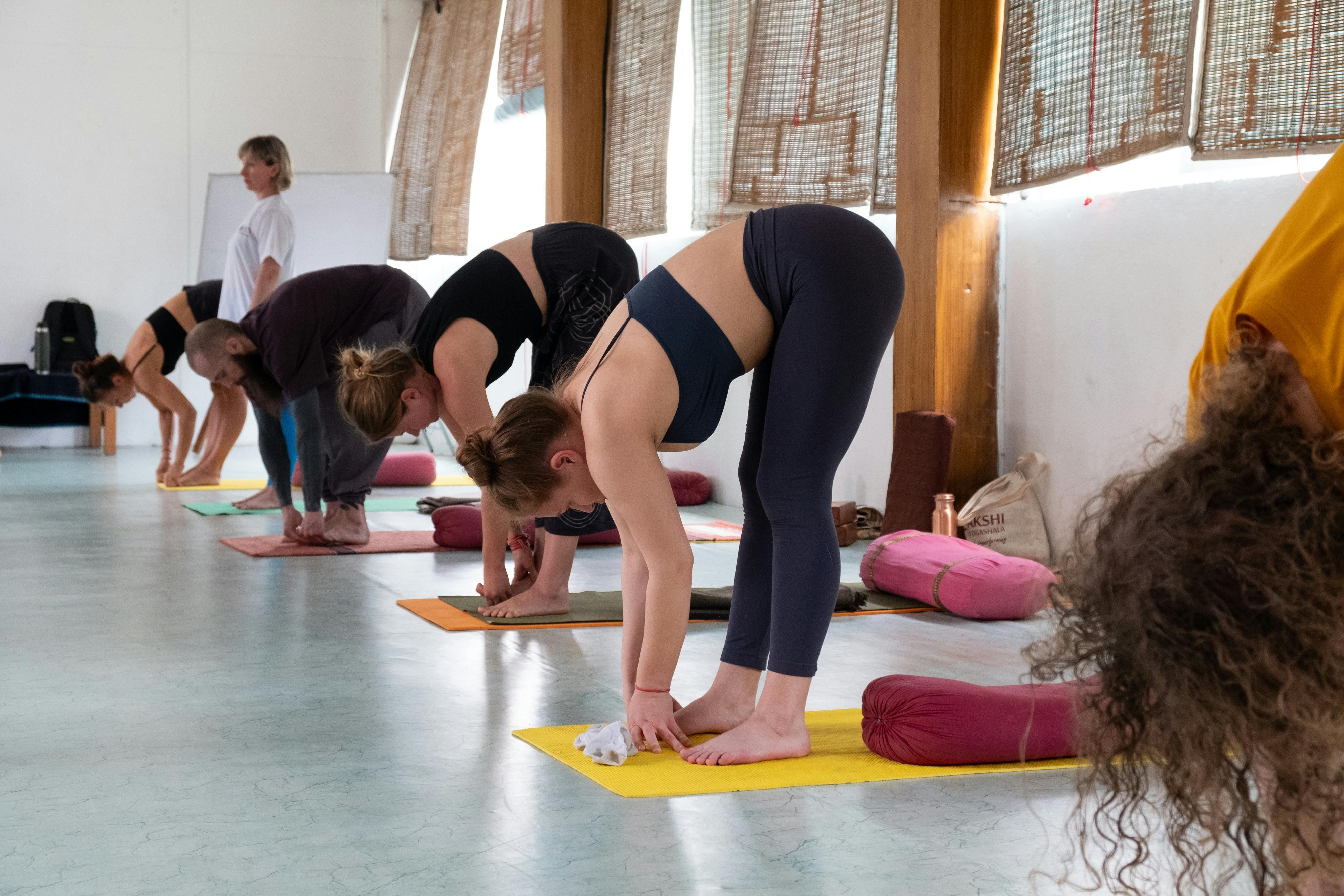
Rishikesh is a destination where yoga, meditation, nature, and traditional wellness come together. Located beside the Ganga and surrounded by the Himalayan foothills, the city attracts beginners, experienced practitioners, yoga teachers, and travellers looking for a meaningful break from their everyday routines.
There is no single way to experience yoga here.
Some visitors attend daily classes to improve their personal practice. Others choose teacher training because they want a structured education in yoga and teaching methodology. Short retreats can provide an introduction to yoga, while longer retreats offer more time to establish a consistent routine.
Rishikesh also offers experiences beyond the yoga mat, including Ayurveda, sound-based relaxation, and outdoor adventure.
With so many choices, selecting the right programme can feel overwhelming. The best approach is to start with your goal and then choose the duration, style, and level that fits your needs.
Why Choose Rishikesh for a Yoga Experience?
The environment is one of the biggest attractions.
A change of surroundings can make it easier to step away from work, social media, busy schedules, and other everyday distractions. This gives visitors an opportunity to focus on movement, breathing, meditation, learning, and rest.
A structured yoga programme may include:
- Asana practice
- Pranayama
- Meditation
- Yoga philosophy
- Anatomy
- Relaxation
- Personal practice
- Healthy meals
- Free time
The exact content depends on the school or retreat centre.
It is important to remember that the location alone does not guarantee a quality experience. The teachers, curriculum, facilities, student support, and organisation are equally important.
Before making a booking, compare programmes and read detailed information about what is actually included.
Exploring Ashtanga Yoga Classes
For people who enjoy a structured practice, ashtanga yoga classes can be an interesting option.
Ashtanga Yoga traditionally follows a systematic sequence of postures coordinated with breathing and focused attention. Repeating a sequence can help practitioners become familiar with the movements while gradually developing strength, mobility, balance, and concentration.
The practice can be physically demanding, but that does not mean beginners need to start with advanced movements.
A responsible instructor should explain the fundamentals and provide modifications when appropriate.
What Can You Learn in Ashtanga Yoga Classes?
The exact content depends on the instructor and level, but classes may include:
- Sun salutations
- Standing postures
- Seated postures
- Transitions
- Breath coordination
- Concentration
- Alignment
- Guided practice
- Relaxation
Progress should be based on consistency and awareness rather than competition.
Every student has a different body and starting point. Trying to force a posture simply because another practitioner can perform it may increase the risk of discomfort or injury.
Yoga Teacher Training: Going Beyond Regular Classes
Regular yoga classes and teacher training serve different purposes.
A class generally focuses on personal practice, while teacher training combines practical sessions with theoretical education.
Students may study asana, pranayama, meditation, anatomy, philosophy, sequencing, communication, and teaching methodology.
Teaching yoga requires more than knowing how to perform a posture.
A future teacher needs to understand how to explain techniques, observe students, provide appropriate modifications, communicate clearly, and create a safe learning environment.
For this reason, practical teaching experience is an important part of a strong training programme.
100 Hour Yoga Teacher Training Course in Rishikesh
A 100 hour yoga teacher training course in Rishikesh may be suitable for students who want a shorter introduction to formal yoga education.
The syllabus varies between institutions, but a programme may cover:
- Basic asana
- Alignment principles
- Pranayama
- Meditation
- Yoga philosophy
- Anatomy fundamentals
- Teaching principles
- Introductory sequencing
A shorter programme can be convenient for travellers with limited time.
It may also help someone determine whether they want to pursue more extensive yoga education in the future.
However, students should look beyond the number of hours.
Check the curriculum, instructors, teaching practice, accommodation, certification details, and student feedback before enrolling.
200 Hour Yoga Teacher Training in Rishikesh
A 200 hour yoga teacher training in Rishikesh generally offers a more comprehensive foundation.
Depending on the school, students may study:
- Yoga asana
- Pranayama
- Meditation
- Anatomy and physiology
- Yoga philosophy
- Teaching methodology
- Sequencing
- Communication
- Practical teaching
The practical teaching component is especially valuable for anyone who intends to teach.
Students can practise giving instructions, demonstrating techniques, observing others, and adapting a class to different abilities.
If your goal is professional teaching, research the school's certification and curriculum carefully. Different organisations can have different requirements and standards.
300 Hour Yoga Teacher Training in Rishikesh
Practitioners with previous yoga education may consider a 300 hour yoga teacher training in Rishikesh for deeper study.
Advanced programmes can explore subjects such as:
- Advanced asana
- Meditation
- Advanced sequencing
- Anatomy
- Philosophy
- Teaching methodology
- Specialized yoga practices
- Practical teaching development
Admission requirements differ between schools, so check whether previous training is required.
An advanced programme should build upon existing knowledge and provide meaningful progression.
Choosing a Yoga Retreat Instead of Teacher Training
Teacher training is not necessary for everyone.
If your main goal is relaxation, personal practice, meditation, or experiencing a structured yoga lifestyle, a retreat may be a better choice.
The duration of a retreat can be selected according to your travel schedule.
3 Days Yoga Retreat in Rishikesh
A 3 days yoga retreat in Rishikesh can work well for people with limited time.
It provides an opportunity to experience yoga, breathing exercises, meditation, relaxation, and a healthier daily routine without requiring a long stay.
A short retreat may be particularly convenient for travellers who are visiting several destinations during their India trip.
However, three days should be considered an introduction rather than a complete yoga education.
The experience can provide motivation, but maintaining a practice after returning home is what creates long-term consistency.
5 Days Yoga Retreat in Rishikesh
A 5 days yoga retreat in Rishikesh provides more time to settle into a daily rhythm.
With several consecutive days of practice, participants can become more familiar with basic postures, breathing techniques, meditation, and relaxation.
A balanced five-day retreat might include morning yoga, pranayama, meditation, philosophy sessions, healthy meals, and free time.
The schedule should leave room for rest.
A retreat that fills every hour with activities may leave participants exhausted rather than refreshed.
7 Days Yoga Retreat in Rishikesh
A 7 days yoga retreat in Rishikesh provides a full week for structured practice and reflection.
The additional days can help participants develop familiarity with a daily yoga routine.
For beginners, repetition can be particularly helpful. The first few sessions may involve learning unfamiliar movements, while later sessions can focus on improving comfort and awareness.
A week-long retreat may also provide more time for meditation and personal reflection.
The best programmes balance structured sessions with sufficient recovery.
How to Choose the Right Duration
There is no universal answer to how long you should stay.
A three-day retreat can be appropriate for a short visit.
Five days can provide additional time for practice without requiring a full week.
Seven days can offer a more complete immersion.
Travellers with more time may prefer a 10 days yoga retreat in Rishikesh or 14 days yoga retreat in Rishikesh.
The right option depends on your schedule, budget, experience, and purpose.
What to Look for Before Booking
A little research can make a significant difference to your experience.
Check the Teachers
Look for information about instructors, their experience, and their teaching approach.
Read the Curriculum
Make sure the programme includes topics relevant to your goals.
Review the Daily Schedule
Check how much time is dedicated to practice, meals, rest, and personal activities.
Consider the Group Size
A smaller group may allow more individual interaction.
Check Accommodation
If accommodation is included, review the facilities, room arrangements, meals, and other conditions.
Read Detailed Reviews
Look for reviews discussing teaching quality, communication, organisation, accommodation, and overall experience.
Understand Certification
If you need a certificate for a particular purpose, confirm what the certificate represents before enrolling.
Yoga Beyond the Mat
A Rishikesh trip can include experiences beyond yoga practice.
Visitors interested in traditional wellness may explore an ayurveda course Rishikesh.
Those looking for relaxation may consider sound healing Rishikesh.
Adventure enthusiasts may add River Rafting In Rishikesh to their itinerary.
These experiences can complement a yoga trip, but they should be planned thoughtfully.
For example, physically demanding activities should be balanced with lighter sessions and sufficient recovery.
Trying to fit every possible activity into a short trip can make the experience unnecessarily tiring.
Building a Sustainable Yoga Lifestyle
The real challenge begins after leaving Rishikesh.
During a retreat or training programme, yoga is already part of your daily schedule. At home, work, studies, family responsibilities, and other commitments can make regular practice difficult.
Instead of trying to recreate the entire retreat timetable, create a realistic routine.
You could begin with several shorter sessions each week and gradually increase the duration as your schedule allows.
Breathing exercises, meditation, relaxation, and physical postures can all be included.
For people who cannot attend an in-person studio regularly, online yoga classes offer another option.
A suitable Yoga Class Online can provide guided instruction from home and make it easier to maintain consistency.
10 Days Yoga Retreat in Rishikesh
For travellers who want more time to develop a consistent routine, a 10 days yoga retreat in Rishikesh can provide a deeper experience than a short getaway.
Ten days allow participants to settle into the environment and gradually become comfortable with a structured schedule. The first few days can be used to adjust to regular practice, while the following days may provide more opportunity for reflection, meditation, and personal development.
A well-planned retreat may combine:
- Morning yoga practice
- Pranayama
- Meditation
- Yoga philosophy
- Guided relaxation
- Personal practice
- Healthy meals
- Nature walks
- Free time
The exact schedule depends on the retreat provider.
One important consideration is balance. A longer retreat should not mean practising intensely from morning until night. Adequate sleep, hydration, meals, and rest are essential parts of a sustainable yoga routine.
Who Can Benefit From a 10-Day Retreat?
A ten-day programme may be suitable for:
- Beginners who want more time than a short retreat allows
- Regular yoga practitioners looking for a dedicated practice period
- Travellers interested in meditation and mindfulness
- People who want to disconnect from a busy routine
- Visitors who want to combine yoga with exploring Rishikesh
If you are new to yoga, communicate your experience level to the instructor before participating in demanding sessions.
14 Days Yoga Retreat in Rishikesh
A 14 days yoga retreat in Rishikesh provides an even longer opportunity to experience a yoga-focused lifestyle.
Two weeks can allow participants to establish repetition and familiarity with different practices. Instead of trying to learn everything quickly, students have more time to revisit techniques and observe their own progress.
A two-week programme may include:
- Daily asana practice
- Pranayama
- Meditation
- Yoga philosophy
- Relaxation practices
- Mindfulness
- Personal practice
- Healthy meals
- Rest periods
- Optional cultural or nature activities
The longer duration also allows visitors to explore Rishikesh at a more relaxed pace.
You might dedicate part of your day to yoga and reserve the remaining time for walking, sightseeing, reading, or relaxing beside the Ganga.
Is a Longer Retreat Always Better?
Not necessarily.
The best retreat is the one that matches your goals and circumstances.
Someone with a limited schedule may benefit greatly from a 3 days yoga retreat in Rishikesh or 5 days yoga retreat in Rishikesh.
A full week may be better suited to someone seeking more consistency, while a 10 days yoga retreat in Rishikesh or 14 days yoga retreat in Rishikesh may suit travellers who want a longer immersion.
Programme quality, teacher experience, schedule, accommodation, and student support are often more important than simply choosing the longest option.
How Longer Retreats Can Support Consistent Practice
One advantage of staying longer is repetition.
Yoga techniques often become easier to understand when students have enough time to practise them repeatedly.
For example, coordinating movement with breathing may initially feel unfamiliar. With regular guidance, students can gradually develop greater awareness of the relationship between breath and movement.
Longer stays can also encourage a more realistic understanding of progress.
Progress does not always mean performing advanced postures.
It may mean:
- Improved concentration
- Better breathing awareness
- Greater consistency
- More comfortable movement
- Increased body awareness
- Improved ability to relax
This perspective can help practitioners develop a sustainable approach to yoga.
Ayurveda Course Rishikesh
Yoga is one part of the broader wellness culture found in Rishikesh.
Travellers interested in traditional Indian approaches to wellness may also explore an ayurveda course Rishikesh.
Ayurveda traditionally discusses areas such as lifestyle, food, daily routines, herbs, and individual balance. Courses can range from introductory workshops to more detailed educational programmes.
Depending on the institution, an Ayurveda course may cover:
- Fundamental Ayurvedic concepts
- Dosha theory
- Traditional dietary principles
- Daily routines
- Herbs and traditional preparations
- Lifestyle practices
- Traditional wellness approaches
Before enrolling, check the syllabus and credentials of the institution.
If your objective is professional education, make sure you understand the recognition and purpose of the certificate being offered.
Combining Yoga and Ayurveda
Some visitors enjoy exploring yoga and Ayurveda during the same trip.
For example, you might attend yoga in the morning, participate in an Ayurveda educational session later in the day, and reserve the evening for meditation or rest.
The important thing is not to overload your schedule.
A wellness trip should provide time to slow down rather than become another demanding itinerary.
Sound Healing Rishikesh
Another experience that visitors may encounter is sound healing Rishikesh.
Sound-based relaxation sessions can involve instruments such as singing bowls, gongs, bells, drums, or other resonant instruments.
Participants generally sit or lie comfortably while listening to the sounds.
For many people, the experience can provide a calm environment for relaxation and focused attention.
Sound-based practices may also be incorporated into meditation or mindfulness sessions.
Choosing a Sound Session
Before booking sound healing Rishikesh, research the facilitator and the format of the session.
Consider:
- Session length
- Group size
- Instruments used
- Location
- Facilitator experience
- Session structure
- Your own comfort level
It is also important to maintain realistic expectations. Sound sessions can be approached as complementary relaxation or mindfulness experiences and should not be presented as a substitute for professional medical care.
River Rafting In Rishikesh
Rishikesh is also well known for outdoor adventure.
River Rafting In Rishikesh offers travellers an opportunity to experience the river in a completely different way from a quiet yoga session.
Rafting involves physical activity, teamwork, and changing river conditions. Participants should therefore choose a responsible operator and follow the guide's safety instructions.
Before entering the river, pay attention to the safety briefing and use the recommended protective equipment properly.
Your experience level, weather, river conditions, and the specific rafting route can all influence the experience.
Combining Yoga With River Rafting
Combining yoga with rafting can create a varied Rishikesh itinerary.
Yoga can provide structured movement and relaxation, while rafting offers an energetic outdoor experience.
However, scheduling both activities requires some planning.
If you are attending physically demanding ashtanga yoga classes, your body may need adequate recovery before taking part in an intense outdoor activity.
Instead of scheduling demanding activities one after another, consider creating a balanced itinerary.
For example, you might combine a morning yoga session with a lighter afternoon, then plan adventure activities on another day.
The goal is to enjoy your trip without turning it into an exhausting checklist.
Continuing Yoga After Rishikesh
A yoga retreat can make regular practice feel easy because your entire environment supports it.
Once you return home, however, your normal responsibilities return.
Work, studies, family commitments, travel, and other activities can interrupt your routine.
This is why it is useful to create a realistic practice plan before leaving Rishikesh.
You do not need to recreate a full retreat schedule.
Even a short, consistent practice can be valuable.
For people who cannot regularly visit a yoga studio, online yoga classes can provide a convenient way to continue practising.
Benefits of Online Yoga Classes
One of the main advantages of online yoga classes is flexibility.
You can practise from home and choose sessions according to your schedule.
Depending on the instructor, online programmes may offer:
- Beginner yoga
- Asana practice
- Pranayama
- Meditation
- Mobility
- Flexibility
- Relaxation
- Strength-focused yoga
- Ashtanga-inspired sessions
This variety makes online learning suitable for different experience levels.
However, online classes also have limitations.
An instructor may not be able to observe your alignment as closely as they could in person. Beginners should therefore choose classes that explain movements clearly and provide modifications.
Avoid forcing a posture simply because you see an instructor or another student performing it.
Choosing a Yoga Class Online
A Yoga Class Online can be particularly useful after returning from a retreat because it can help maintain the habit you developed during your stay.
When selecting an online programme, consider:
Instructor Experience
Research the teacher's background and teaching style.
Class Level
Choose a class that matches your current experience.
Class Duration
Select sessions that realistically fit into your routine.
Teaching Style
Some people prefer detailed instruction, while others prefer a quieter guided practice.
Consistency
A programme that offers regular sessions can make it easier to develop a routine.
The goal is not to choose the most advanced class available. The goal is to find instruction that you can follow safely and consistently.
Building a Sustainable Yoga Routine at Home
After returning from Rishikesh, avoid setting unrealistic expectations.
You may feel motivated to practise for an hour or more every day immediately after your trip. However, if your schedule becomes busy, maintaining such a routine may become difficult.
Instead, start with achievable goals.
For example, you could practise several times per week and gradually increase the duration.
Your routine could include:
- Asana
- Pranayama
- Meditation
- Relaxation
- Short mobility exercises
Rest days are also important.
Yoga should become a sustainable part of your lifestyle rather than another source of pressure.
Which Rishikesh Experience Should You Choose?
There are many ways to approach a yoga journey in Rishikesh.
For Structured Practice
Choose ashtanga yoga classes if you enjoy a systematic style of practice.
For Introductory Yoga Education
A 100 hour yoga teacher training course in Rishikesh may be suitable for students who want a shorter educational programme.
For Foundational Teacher Training
A 200 hour yoga teacher training in Rishikesh can provide a broader foundation in yoga practice and teaching.
For Advanced Study
A 300 hour yoga teacher training in Rishikesh may suit practitioners who already have foundational training and want deeper study.
For Short Retreats
A 3 days yoga retreat in Rishikesh, 5 days yoga retreat in Rishikesh, or 7 days yoga retreat in Rishikesh can fit different travel schedules.
For Longer Immersion
A 10 days yoga retreat in Rishikesh or 14 days yoga retreat in Rishikesh can provide more time for repetition, reflection, and personal practice.
For Traditional Wellness
An ayurveda course Rishikesh can introduce visitors to traditional Indian wellness concepts.
For Relaxation
Sound healing Rishikesh can be included as a complementary relaxation or mindfulness experience.
For Adventure
River Rafting In Rishikesh can add an outdoor element to a yoga-focused trip.
For Continued Practice
Online yoga classes and a suitable Yoga Class Online can make it easier to continue learning after returning home.
Final Thoughts
Rishikesh offers much more than a place to attend a yoga class.
It can be an opportunity to slow down, learn, practise, explore, and develop healthier routines.
The right experience depends on what you want from your journey.
Someone interested in structured practice may enjoy ashtanga yoga classes. A person interested in teaching may consider a 100 hour yoga teacher training course in Rishikesh, 200 hour yoga teacher training in Rishikesh, or 300 hour yoga teacher training in Rishikesh.
Travellers looking for shorter wellness experiences can choose a 3 days yoga retreat in Rishikesh, 5 days yoga retreat in Rishikesh, or 7 days yoga retreat in Rishikesh.
Those with more time can consider a 10 days yoga retreat in Rishikesh or 14 days yoga retreat in Rishikesh.
You can also explore an ayurveda course Rishikesh, experience sound healing Rishikesh, or add River Rafting In Rishikesh for a more diverse trip.
Most importantly, do not measure the success of your journey only by how much you manage to experience.
The real value comes from what you take home.
A few minutes of daily practice, regular breathing exercises, mindful movement, or meditation can be more meaningful than an intense routine that lasts only during your trip.
With the help of online yoga classes or a suitable Yoga Class Online, you can continue developing your practice wherever you live.
Rishikesh can provide the environment and inspiration to begin your journey. Consistency is what can help turn that experience into a lasting part of your everyday life.

 English
 Arabic
 French
 Spanish
 Portuguese
 Deutsch
 Turkish
 Italiano
 Russian
 Romaian
 Portuguese (Brazil)
 Greek