


Full Blood Test Before Surgery: Why Blood Screening Is Important
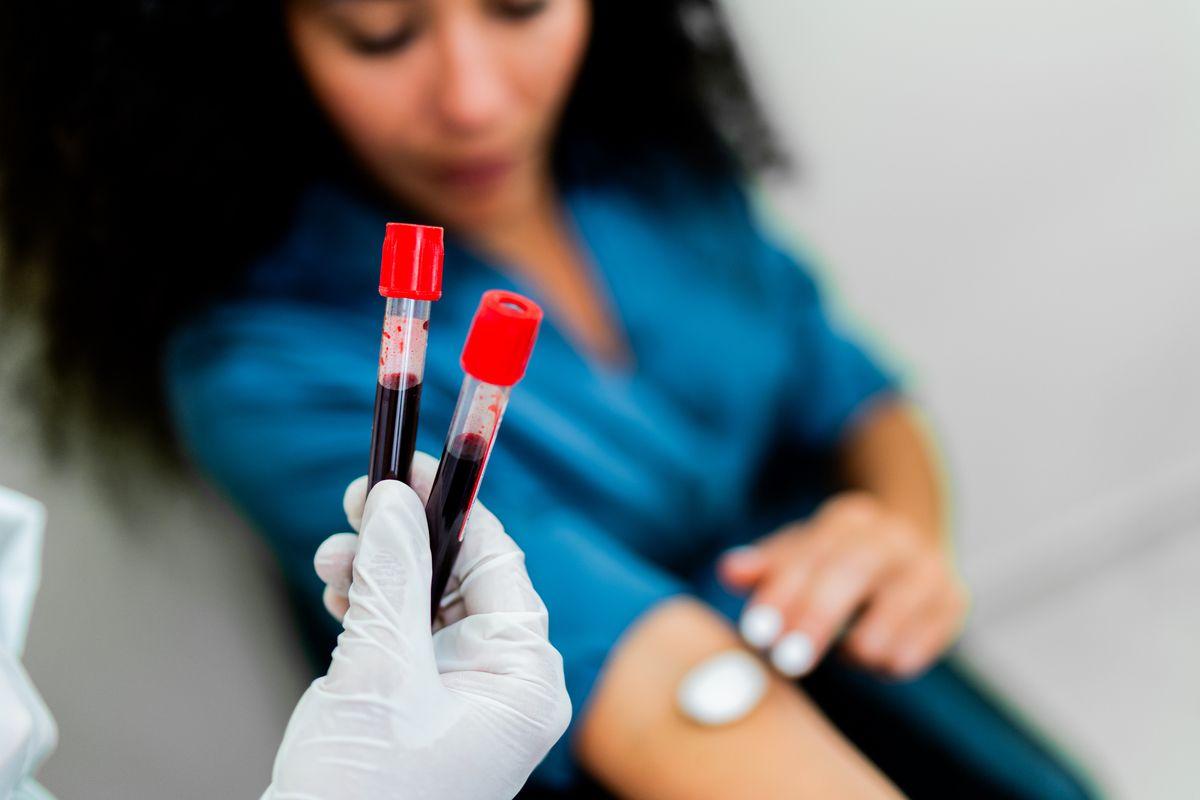
Hair loss can be a normal part of aging, but sudden shedding, widespread thinning, or noticeable changes in hair density may sometimes point to an underlying health issue. Genetics, hormones, stress, illness, medications, nutritional deficiencies, and scalp conditions can all affect the hair growth cycle.
A Full Blood Test in Dubai for hair loss can help investigate some of these potential causes. However, there is no single blood panel that can identify every reason for hair loss. The most appropriate tests depend on the pattern of hair loss, your symptoms, diet, medical history, medications, and other risk factors.
Knowing which health markers matter can make your test results easier to understand and help you discuss the next steps with a healthcare professional.
The First Question: Why Is the Hair Falling Out?
Before looking at blood markers, it helps to understand that hair loss has many possible causes.
Androgenetic alopecia, commonly known as male or female pattern hair loss, is one of the most common forms. It is strongly influenced by genetics and hormones and often develops gradually.
Other forms can produce different patterns. Telogen effluvium, for example, may cause increased shedding several weeks or months after significant physical or emotional stress, illness, surgery, major weight loss, or nutritional problems.
Patchy hair loss may have causes such as alopecia areata, while scalp inflammation or infection can require a dermatological examination.
Blood testing is therefore most useful when there is a reasonable possibility that a systemic health problem or nutritional deficiency is contributing to the shedding.
What Does a Full Blood Test for Hair Loss Usually Include?
There is no universally defined "full blood test" for hair loss.
Depending on your circumstances, a healthcare professional may consider a combination of:
- Complete blood count
- Ferritin and iron studies
- Thyroid function tests
- Vitamin B12 and folate
- Vitamin D
- Blood glucose or HbA1c
- Selected hormone tests
- Kidney function
- Liver function
- Other nutritional or inflammatory markers when indicated
The purpose is not to test everything. It is to identify the tests most likely to provide useful information based on your individual situation.
Complete Blood Count Can Reveal Anemia:
A complete blood count (CBC) is often an important starting point when hair loss occurs alongside fatigue, weakness, dizziness, or reduced exercise tolerance.
The test evaluates red blood cells, white blood cells, platelets, hemoglobin, hematocrit, and several red blood cell measurements.
One of its main uses in hair loss investigations is identifying anemia.
When hemoglobin is low, the blood may have a reduced ability to carry oxygen. Anemia can cause tiredness and weakness and may occur alongside increased hair shedding.
The CBC can also show changes in red blood cell size that may provide clues about nutritional deficiencies.
However, a normal CBC does not necessarily mean that iron stores are adequate.
Ferritin Helps Assess Iron Stores:
Ferritin is one of the most relevant health markers when evaluating diffuse hair shedding.
It provides an indication of stored iron. Iron deficiency can occur before obvious anemia develops, so checking ferritin may provide information that a CBC alone cannot.
Depending on the situation, additional iron studies may include serum iron, transferrin, total iron-binding capacity, and transferrin saturation.
Low iron stores can be associated with fatigue and hair shedding.
The important question is why iron levels are low. Potential causes include heavy menstrual bleeding, inadequate dietary intake, pregnancy, gastrointestinal blood loss, or impaired absorption.
Iron supplements should not be taken at high doses simply because hair is thinning. Confirming deficiency and identifying its cause is a safer approach.
Thyroid Function May Explain Hair Changes:
The thyroid influences metabolism, energy production, temperature regulation, and many other body functions.
Both an underactive thyroid and an overactive thyroid can be associated with changes in hair.
A common thyroid screening marker is thyroid-stimulating hormone (TSH). Depending on the result and clinical circumstances, a healthcare professional may also request free T4 and other thyroid tests.
Hypothyroidism may occur with symptoms such as:
- Persistent fatigue
- Feeling unusually cold
- Dry skin
- Constipation
- Weight gain
- Difficulty concentrating
Hyperthyroidism can produce symptoms such as heat intolerance, increased sweating, rapid heartbeat, anxiety, and unexplained weight loss.
Hair loss alone cannot diagnose thyroid disease, but testing may be appropriate when other thyroid-related symptoms are present.
Vitamin B12 and Folate Support Healthy Hair Growth:
Vitamin B12 and folate are essential nutrients involved in DNA synthesis and red blood cell formation.
Deficiency can cause anemia and may contribute to fatigue, weakness, or neurological symptoms.
A CBC may provide clues to B12 or folate deficiency, but direct measurements may be needed when nutritional deficiency is suspected.
Testing can be particularly relevant when hair loss occurs alongside a restrictive diet, digestive problems, previous nutritional deficiencies, or neurological symptoms.
Correcting a confirmed deficiency may be important for overall health, although treating a vitamin deficiency does not guarantee that it will reverse every type of hair loss.
Vitamin D Is Sometimes Investigated:
Vitamin D has important roles in bone health, calcium regulation, and immune function.
Research has explored possible relationships between vitamin D status and several hair loss conditions. However, having a low vitamin D level does not automatically prove that it is responsible for your hair loss.
When testing is clinically appropriate, the commonly measured marker is 25-hydroxyvitamin D.
Your result should be interpreted according to the laboratory's reference range and your overall health.
Taking excessive vitamin D without medical guidance can lead to abnormally high calcium levels and other complications.
Zinc and Other Nutritional Markers:
Zinc contributes to cell growth, protein synthesis, immune function, and normal tissue maintenance.
Severe zinc deficiency can affect the skin and hair, but zinc testing is not automatically necessary for everyone with hair loss.
A healthcare professional may consider zinc testing when there are specific risk factors, such as severe dietary restriction, malabsorption, gastrointestinal disease, or other evidence of nutritional deficiency.
Other nutritional tests may also be considered depending on the individual's diet and clinical history.
The goal is targeted investigation rather than ordering a long list of tests without a clear reason.
Blood Sugar and Metabolic Health:
Blood glucose testing is not a direct test for hair loss, but it can be useful when other symptoms or risk factors suggest a metabolic problem.
A doctor may consider:
- Fasting blood glucose
- Random blood glucose
- HbA1c
An HbA1c test provides information about average blood glucose over the preceding several weeks to months.
If diabetes or another glucose-related problem is identified, treating the underlying condition becomes part of the overall health plan.
Hormone Testing Is Not Needed for Everyone:
Hormonal changes can contribute to certain patterns of hair loss, particularly when other signs of hormonal imbalance are present.
For women, a healthcare professional may consider hormone testing when scalp hair thinning occurs alongside irregular menstrual cycles, acne, increased facial or body hair, or other signs of androgen excess.
Depending on the clinical situation, tests may include selected reproductive or androgen hormones.
For men, routine hormone testing is generally not necessary for typical male pattern hair loss unless there are additional symptoms suggesting a hormonal disorder.
Testing should be based on clinical findings rather than automatically included in every hair loss blood panel.
Liver and Kidney Tests Provide Broader Health Information:
Liver and kidney blood tests do not directly diagnose most forms of hair loss.
However, they may be included in broader health assessments when someone has unexplained symptoms, takes certain medications, or has a condition that could affect these organs.
Kidney function may be assessed using markers such as creatinine and estimated glomerular filtration rate.
Liver testing may include ALT, AST, alkaline phosphatase, bilirubin, albumin, and other markers.
Abnormal results require appropriate interpretation because temporary changes can occur for many reasons.
Can Blood Tests Find Every Cause of Hair Loss?
No.
This is one of the most important points to understand.
Some common types of hair loss are diagnosed primarily through scalp examination, medical history, family history, and the pattern of hair loss.
A dermatologist may use dermoscopy to examine the scalp and hair follicles more closely. In selected cases, a scalp biopsy may be necessary.
A normal blood test therefore does not mean that your hair loss has no identifiable cause.
It simply means that the blood work has not revealed one of the conditions being investigated.
What Should You Tell Your Doctor Before Testing?
Accurate medical information helps your healthcare professional choose appropriate tests and interpret the results.
Mention:
- Recent illness or fever
- Major physical or emotional stress
- Rapid weight loss
- Dietary restrictions
- Heavy menstrual bleeding
- Pregnancy or recent childbirth
- New medications
- Vitamin or mineral supplements
- Family history of hair loss
- Changes in menstrual cycles or other hormonal symptoms
These details can be just as important as the blood test itself.
Should You Take Hair Supplements Before Getting Tested?
It is generally better to determine whether a deficiency exists before taking large amounts of individual nutrients.
Hair supplements often contain combinations of biotin, zinc, iron, vitamin D, and other ingredients. More is not necessarily better, and unnecessary supplementation can sometimes cause side effects or interfere with laboratory testing.
Biotin, in particular, can interfere with certain laboratory assays, including some thyroid and hormone tests.
Tell your healthcare professional about every supplement you take and follow their instructions about whether any product needs to be paused before testing.
How Are Hair Loss Blood Test Results Interpreted?
Laboratory results should be evaluated as a complete picture.
For example, low hemoglobin together with low ferritin may support iron deficiency. An abnormal TSH combined with an abnormal free T4 may point toward a thyroid disorder.
But individual results can be affected by inflammation, medications, pregnancy, age, recent illness, and other factors.
A healthcare professional may also compare current results with previous tests to identify meaningful changes over time.
This is why an online reference range should not be used to self-diagnose.
When Should You Get a Blood Test for Hair Loss?
A medical evaluation may be worthwhile when hair loss is:
- Sudden or rapidly increasing
- Widespread or diffuse
- Associated with fatigue or weakness
- Accompanied by unexplained weight changes
- Associated with menstrual irregularities
- Occurring with significant dietary restriction
- Developing after a major illness
- Accompanied by scalp symptoms or other unexplained changes
Early assessment can help identify nutritional or medical problems that may be treatable.
Final Takeaway:
A full blood Lab tests for hair loss can be useful when shedding may be linked to an underlying health condition. Important markers can include the CBC, ferritin and iron studies, TSH and thyroid hormones, vitamin B12, folate, and vitamin D. Depending on your symptoms, additional testing for zinc, blood glucose, hormones, kidney function, or liver function may also be considered.
However, blood testing is only one part of a hair loss evaluation. Genetic hair loss, alopecia areata, scalp disorders, and other conditions may require examination by a dermatologist rather than extensive laboratory testing.
If your hair is shedding more than usual or becoming noticeably thinner, avoid assuming that a vitamin deficiency is automatically responsible. A healthcare professional can assess the pattern of hair loss, review your medical history, select appropriate blood tests, and determine whether further investigation or treatment is needed.
Medical disclaimer: This article is for general educational purposes and does not replace professional medical advice, diagnosis, or treatment. Blood test results and hair loss should be interpreted by a qualified healthcare professional based on your individual symptoms and health history.

 English
 Arabic
 French
 Spanish
 Portuguese
 Deutsch
 Turkish
 Dutch
 Italiano
 Romaian
 Portuguese (Brazil)
 Greek