


2026 Homeowner Guide: How to Pass a 4-Point Home Inspection With Confidence
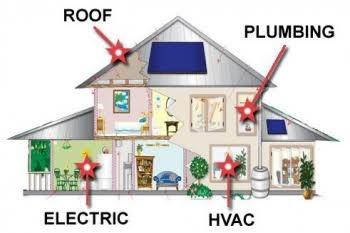
For homeowners in Florida, insurance requirements can make a 4-point inspection an important part of protecting a property. A 4-point inspection focuses on four major systems: the roof, electrical system, plumbing system, and HVAC system. For older homes in particular, insurance companies may want detailed information about the age and condition of these components before issuing or renewing coverage.
If you're researching how to pass a 4-point home inspection, the best approach is not to hide problems or make temporary fixes. Instead, prepare your home properly, address obvious maintenance issues, and make sure the inspector can access the major systems.
A little preparation can make the inspection process smoother while helping you discover issues that could become expensive later.
Understand What a 4-Point Inspection Covers
Before scheduling an inspection, homeowners should understand what will be evaluated.
1. Roof
The roof is one of the most important parts of the inspection. The inspector generally evaluates the roofing material, visible condition, signs of damage, evidence of leaks, and other accessible components.
Before the inspection, look for:
-
Missing or damaged shingles
-
Cracked or deteriorated roofing materials
-
Damaged flashing
-
Visible water stains
-
Leaks around roof penetrations
-
Areas where water may collect
If you already know about a roof problem, consider having it evaluated by a qualified roofing professional before the inspection.
2. Electrical System
Electrical problems can create serious safety and insurance concerns. Inspectors examine accessible electrical components and look for conditions that may indicate improper installation, deterioration, or safety hazards.
Homeowners should make sure the electrical panel is accessible and not blocked by furniture, boxes, or stored belongings.
It is also worthwhile to address known issues such as damaged outlets, exposed wiring, or malfunctioning breakers before the inspection.
Never attempt electrical repairs yourself unless you are properly qualified. Electrical work should be handled by a licensed professional when required.
3. Plumbing System
Plumbing problems can lead to water damage, property deterioration, and expensive repairs. During the inspection, accessible plumbing components are reviewed for their general condition.
Before the inspector arrives, check for:
-
Leaking faucets
-
Leaking supply lines
-
Corroded pipes
-
Water stains beneath sinks
-
Problems around the water heater
-
Slow or damaged plumbing fixtures
-
Visible moisture
Fixing a small leak before it develops into a major water problem can protect both your property and your budget.
4. HVAC System
The heating, ventilation, and air-conditioning system is another major component of a 4-point inspection.
Homeowners should make sure the HVAC equipment is accessible and functioning properly. Replacing dirty filters and scheduling routine maintenance can also help keep the system operating efficiently.
Inspectors may document the system's age, condition, and visible components. If your HVAC equipment has been neglected, professional servicing before the inspection may be worthwhile.
Make the Inspector's Job Easier
One of the simplest ways to prepare is to provide clear access to the systems being evaluated.
Move belongings away from:
-
Electrical panels
-
Water heaters
-
HVAC equipment
-
Attic access points
-
Plumbing areas
-
Garage equipment
An inspector cannot properly evaluate an inaccessible component. Clearing these areas beforehand helps the inspection proceed efficiently.
Review Your Maintenance Records
Keep documentation related to major home improvements and repairs.
Useful records may include:
-
Roof replacement documents
-
Electrical upgrades
-
Plumbing repairs
-
HVAC installation records
-
Water heater replacement information
-
Previous inspection reports
-
Professional maintenance receipts
Documentation can help establish the age and maintenance history of important systems.
Don't Wait Until Inspection Day
One of the biggest mistakes homeowners make is waiting until the inspector arrives to start preparing.
If you want to know how to pass a 4-point home inspection, start several weeks ahead of time. Walk through the property and look for obvious maintenance problems.
Check ceilings for water stains, inspect visible plumbing connections, look at the roof from accessible areas, test HVAC operation, and make sure the electrical panel can be reached.
If you discover a significant concern, give yourself enough time to obtain professional advice and complete necessary repairs.
Avoid Temporary or Cosmetic Fixes
Trying to conceal a problem is rarely a good strategy. A temporary repair may hide a symptom without correcting the underlying issue.
For example, painting over a water stain does not eliminate the leak that caused it. Similarly, covering damaged materials does not restore their condition.
A professional inspection is intended to provide an accurate picture of the property's condition. Addressing the underlying problem is a much better long-term strategy.
What If the Inspector Finds a Problem?
A finding does not necessarily mean the entire inspection has failed.
The appropriate response depends on the nature of the issue and the requirements of the insurance company. Some conditions may require repair, replacement, additional documentation, or evaluation by a qualified contractor.
If a problem is identified, review the inspection report carefully and determine what action is appropriate.
The goal should be to make the property safer and better maintained rather than simply trying to obtain a favorable report.
Why Professional Preparation Matters in 2026
Homeowners today have access to better inspection technology than ever before. Digital reporting, high-resolution photographs, moisture meters, thermal imaging, and other tools can help inspectors document property conditions more thoroughly.
That makes preventive maintenance especially valuable.
Rather than waiting for an inspection to reveal problems, homeowners can use regular maintenance and professional evaluations to stay ahead of deterioration.
Conclusion
Knowing how to pass a 4-point home inspection starts with understanding what inspectors evaluate and preparing your property honestly and thoroughly. The roof, electrical system, plumbing, and HVAC equipment all deserve attention before the inspection takes place.
In 2026, proactive maintenance can help homeowners reduce unexpected repair expenses, improve property safety, and make the insurance inspection process easier.
The smartest strategy is simple: maintain your home's major systems, correct known problems, keep important areas accessible, and maintain documentation of professional repairs. A well-prepared home is not only better positioned for an inspection it is also better protected for the years ahead.

 Arabic
 French
 Spanish
 Portuguese
 Deutsch
 Turkish
 Dutch
 Italiano
 Russian
 Romaian
 Portuguese (Brazil)
 Greek