


How to Get UK Boat Registration Easily?
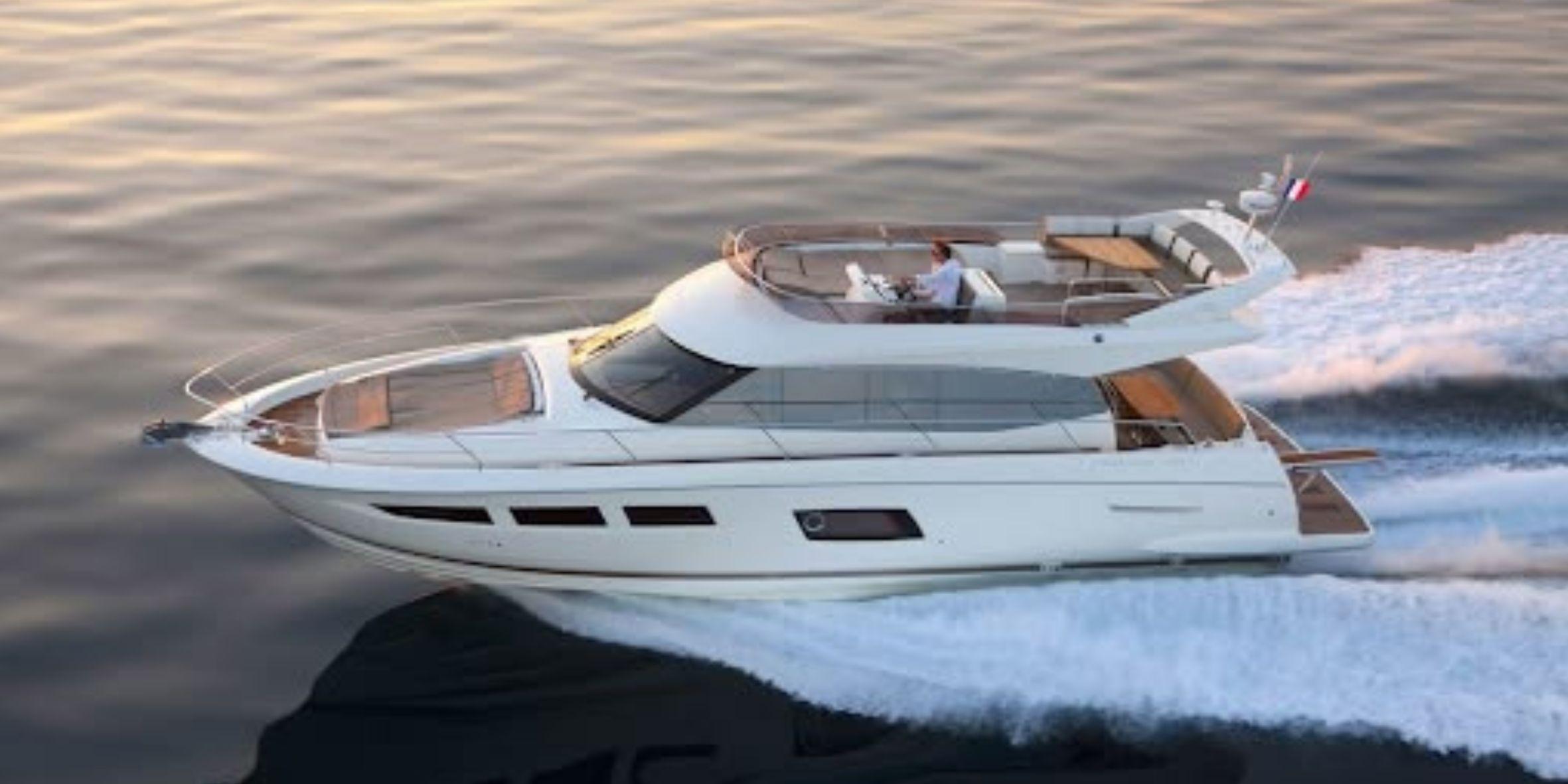
Navigating international waters requires proper documentation, legal compliance, and a clear understanding of vessel registration frameworks. Whether you own a private pleasure yacht, a commercial charter vessel, or a personal watercraft, registering your boat under a reputable jurisdiction provides smooth passage, recognized flag state protection, and legal certainty across global ports. Among the top global maritime flags, the United Kingdom flag consistently stands out as one of the most prestigious, versatile, and widely accepted registrations in the maritime industry.
In this guide, we break down the structure of UK vessel registration, explore Part 1 and Part 4 registers, examine eligibility criteria, analyze the registration process, and highlight key compliance mandates. By understanding these regulatory layers, vessel owners can secure a hassle-free registration experience.
Why Choose the UK Red Ensign Flag?
The British Red Ensign represents centuries of maritime tradition and global prestige. Operating under the United Kingdom Maritime and Coastguard Agency (MCA), the UK registry guarantees world-class safety compliance, consular assistance, and international authority. International port authorities recognize the UK Red Ensign instantly, which reduces diplomatic friction and streamlines customs inspections across global harbors.
Key benefits of securing a UK registration include:
-
Global Recognition: Freedom to navigate international waters backed by the diplomatic assistance of the UK government and Royal Navy protection.
-
Flexible Ownership Options: Corporate structures and individual owners from qualifying jurisdictions can secure registration easily.
-
High Resale Value: Vessels holding a recognized UK flag maintain higher resale values and command greater buyer confidence in maritime marketplaces.
-
Financial Protection: The UK Part 1 register allows vessel owners to record marine mortgages, offering clear security for financial institutions and maritime lenders.
Understanding UK Register Parts: Part 1 vs. Part 4
The UK Ship Register operates under several distinct categories depending on vessel use, tonnage, and owner status. The two primary categories relevant to private and commercial boat owners are Part 1 and Part 4.
UK Part 1 Registration (Full Registration)
Part 1 registration serves as the primary, prestigious registry for both private yachts and commercial ships. It establishes official proof of ownership and national identity. Unlike basic recreational lists, a Part 1 registration allows owners to record marine mortgages directly against the vessel. This registration remains valid for five years and requires a formal survey for tonnage measurement.
UK Part 4 Registration (Bareboat Charter)
Part 4 registration allows foreign-flagged ships chartered by UK companies or individuals to temporarily fly the British Red Ensign during the charter period. This option idealizes commercial operators seeking operational flexibility under UK maritime law without permanently altering underlying ownership titles.
Expert Tip: Selecting the correct registration path prevents unnecessary costs and operational delays. For a streamlined, step-by-step application process, explore professional assistance for uk boat registrationto ensure total compliance with MCA requirements.
Eligibility Criteria for UK Boat Registration
The Maritime and Coastguard Agency imposes clear eligibility requirements regarding who can register a vessel under the UK flag. To qualify for UK Part 1 registration, majority ownership (at least 33 out of 64 shares) must belong to qualified individuals or corporate entities.
|
Qualified Entities |
Description & Jurisdiction Scope |
|
Individual Citizens |
UK citizens, British Overseas Territory citizens, British National (Overseas) individuals, and EU/EEA citizens. |
|
UK Corporate Entities |
Companies incorporated under UK company law with a registered office inside the United Kingdom. |
|
EEA / Foreign Entities |
Bodies corporate established in EEA states, British Overseas Territories, or qualifying Commonwealth nations. |
|
Representative Persons |
Non-UK resident owners who appoint a UK-based representative person or company for legal service. |
If an owner resides outside the UK, appointing a UK representative person satisfies MCA statutory demands. This structure enables international vessel owners to enjoy the benefits of the UK flag regardless of their personal residency location.
Step-by-Step UK Registration Process
Securing your UK boat registration involves systematic verification of legal title, vessel specifications, and safety measurements. Following a structured procedure eliminates administrative delays and speeds up certificate issuance.
Step 1: Name Approval Request
You must submit your proposed boat name to the registry. The registry cross-checks existing databases to prevent duplicate names among registered UK vessels. You should prepare alternative names in case your primary choice exists in the system.
Step 2: Proof of Ownership (Bill of Sale)
The registry requires unbroken title records. Applicants must supply an official Bill of Sale (Form MSF 4705) showing clear title transfer from the previous owner. If the vessel is brand new, the builder’s certificate serves as initial proof of title.
Step 3: Tonnage Survey and Certificate of Measurement
An authorized surveyor from an approved classification society (such as Lloyd's Register, RYA, YBDSA, or Mecal) must conduct a tonnage measurement survey. The surveyor calculates official tonnage and issues a formal Certificate of Measurement.
Step 4: Radio License and MMSI Call Sign
Every sea-going vessel equipping VHF radio, AIS, or radar systems requires a UK ship radio license. Ofcom issues this license along with a unique Maritime Mobile Service Identity (MMSI) number and call sign to maintain emergency communications safety.
Step 5: Official Carving and Marking Note
Once the registry processes initial documentation, it issues a Carving and Marking Note. The owner must permanently mark the vessel with its registered name, port of choice, official number, and net tonnage. An authorized surveyor or self-declaration (where permitted) verifies compliance before final certificate generation.
Maintaining Compliance and Renewals
A UK Part 1 registration remains valid for five years. Boat owners must keep track of key compliance dates to ensure seamless navigation privileges across international borders:
-
Five-Year Renewal Cycle: Owners must renew their registration prior to expiration by submitting a simple renewal form and paying statutory fees.
-
Documenting Vessel Alterations: Any major engine replacements, hull modifications, or changes in vessel dimensions demand immediate reporting to the registry.
-
Updating Ownership Data: Transfers of ownership shares or corporate structure changes require prompt filing of updated Bills of Sale to preserve legal title chain validity.
Frequently Asked Questions (FAQs)
1. Can non-UK residents register a boat in the United Kingdom?
Yes. Non-UK residents can easily register their boats under the UK flag. If you reside outside the UK, you simply appoint a UK Representative Person or establish a UK corporate entity to satisfy statutory MCA requirements.
2. How long does the UK boat registration process take?
With complete documentation, clear title records, and a completed tonnage measurement, standard MCA processing typically takes between 1 to 2 weeks. Expedited processing services can shorten turnaround times significantly.
3. What is the validity period of a UK Part 1 boat registration?
A UK Part 1 registration remains valid for 5 years. Owners receive renewal reminders prior to expiration, and the renewal process involves verifying existing details and paying the statutory fee.
4. Do I need a formal survey to register my boat under the UK flag?
Yes, for UK Part 1 registration, an authorized surveyor from an approved body (like RYA, YBDSA, or Mecal) must perform a tonnage measurement survey to issue a Certificate of Measurement.
5. Can I record a marine mortgage on a UK registered vessel?
Yes. UK Part 1 registration allows legal recording of marine mortgages. Financial institutions widely favor this registry because it protects lender rights and establishes clear priority of liens under UK maritime law.
Conclusion
Registering your vessel under the UK Red Ensign flag provides unmatched international prestige, strong legal protection, and seamless global navigation. By understanding eligibility rules, completing required tonnage surveys, and maintaining unbroken title documentation, vessel owners secure complete peace of mind on open waters. Whether managing a private motor yacht or a commercial fleet, opting for UK boat registration remains one of the smartest decisions in modern maritime management.

 English
 Arabic
 French
 Spanish
 Portuguese
 Deutsch
 Turkish
 Dutch
 Italiano
 Russian
 Romaian
 Portuguese (Brazil)