A well-designed outdoor space can add beauty, comfort, and value to a property. Whether you own a home, manage a commercial property, or are building a new house, the landscape around the building deserves thoughtful planning. An attractive yard can provide space for relaxation, family activities, outdoor meals, entertaining, and recreation.
Modern landscaping offers many possibilities. A property can combine green spaces with patios, walkways, retaining walls, artificial turf, outdoor kitchens, gardens, and swimming pools. The key is to make sure these features work together rather than looking like separate additions.
With the right design and professional installation, an outdoor area can become a natural extension of the property.
Start With a Clear Landscape Vision
Every successful landscaping project starts with an understanding of what the property owner wants to accomplish. Some people want a peaceful garden, while others want a backyard designed for entertaining. Families may need open areas for children, while homeowners who enjoy hosting guests may want an outdoor kitchen and dining space.
Commercial properties have different requirements. Businesses may need attractive entrances, professional planting, practical walkways, and outdoor areas that are easy to maintain.
Professional landscape construction can help bring these different goals together. A complete plan considers the size of the property, existing vegetation, sunlight, drainage, soil conditions, slopes, and the relationship between indoor and outdoor spaces.
Planning these elements early can make the entire project more organized.
Build Outdoor Areas Around Everyday Activities
A landscape should be designed around the way people will actually use it. A beautiful yard may not be very useful if the seating area is far from the house or if pathways do not connect important areas.
For example, an outdoor dining area can be placed close to the kitchen. A comfortable seating area can be positioned near a fire feature. A swimming pool can have a dedicated deck with enough room for lounge furniture.
These decisions may seem simple, but they can make a significant difference in everyday convenience.
The landscape should also allow people to move naturally between different areas. Walkways, steps, patios, and planting zones can guide movement while adding structure to the design.
Use Hardscaping to Add Structure
Hardscaping is one of the most useful ways to create functional outdoor areas. Patios, pathways, steps, retaining walls, pool decks, and seating walls can give a landscape structure while providing practical surfaces.
Property owners searching for landscape hardscape contractors near me may be interested in improving an outdoor space with durable hardscape features.
A well-designed patio can become an outdoor living room. It can provide space for furniture, dining, entertaining, or relaxing. Walkways can connect the patio with gardens, pools, entrances, and other sections of the property.
Hardscape materials should complement the style of the home. Natural stone can create a warm and traditional appearance, while pavers can provide a clean and modern look.
The design should also consider drainage, surface stability, accessibility, and long-term use.
Create Professional Commercial Landscapes
A commercial property should look welcoming and well maintained. Landscaping can play an important role in creating a positive first impression for customers and visitors.
A professional commercial landscape architect can help develop an outdoor environment that combines appearance with practical functionality.
Commercial landscaping may include trees, shrubs, planting beds, pathways, entrance features, seating areas, and hardscape installations.
An attractive entrance can help customers immediately understand where to enter the building. Planting beds can add color and soften the appearance of large structures.
For larger properties, landscape design can also help organize outdoor areas. Trees and planting beds can separate parking areas, sidewalks, entrances, and gathering spaces without making the property feel crowded.
Maintenance should also be considered. Commercial landscapes need to remain attractive while fitting the property's maintenance requirements.
Design a Complete Landscape for a New Home
New homeowners often focus heavily on the interior of their property, but the exterior is equally important. Professional new home landscaping can help complete the appearance of a newly constructed property.
A new landscape can include a lawn, trees, shrubs, flower beds, patios, walkways, outdoor kitchens, seating areas, and recreational spaces.
The landscape should complement the design of the house. Materials, colors, and plant selections can be coordinated with the building's architecture.
The placement of outdoor areas should also be practical. A patio near the kitchen can make outdoor dining easier. A seating area near a living room can create a comfortable connection between indoor and outdoor spaces.
Trees should be selected with their mature size in mind. Giving trees enough room to grow can help prevent future conflicts with buildings, driveways, utilities, and pathways.
Transform an Underused Backyard
Many homeowners have backyards that are rarely used because they lack comfortable or practical features. An outdoor living remodel can change that.
An outdoor remodeling project can include a patio, outdoor kitchen, dining area, pergola, fire feature, seating area, or entertainment space.
The design should be based on the homeowner's priorities.
A family that enjoys weekend gatherings may want a large patio with plenty of seating. Someone who enjoys quiet evenings may prefer a smaller area surrounded by plants.
An outdoor kitchen can make entertaining much easier. Food can be prepared and served outside, allowing the host to remain close to family and guests.
A fire feature can create a natural focal point and provide a comfortable gathering area during cooler evenings.
With thoughtful design, the backyard can become an extension of the home's living space.
Consider Artificial Turf for Selected Areas
Natural grass can provide a classic green appearance, but it also requires regular maintenance. Mowing, watering, fertilizing, and seasonal lawn care can take considerable time.
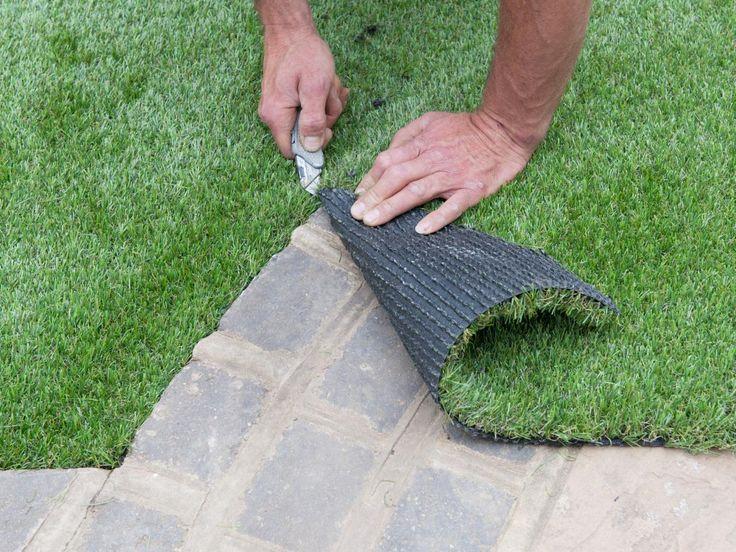
Professional artificial turf installation can provide an alternative for certain parts of a property.
Artificial turf can be useful around swimming pools, patios, play areas, and sections of the yard that receive heavy foot traffic.
It can also be combined with natural landscaping. A property might use artificial turf in an open recreation area while using trees, shrubs, and flowers around the perimeter.
Decorative stone can be used around planting beds, while a walkway can connect the turf area with the patio.
This combination creates different textures and visual layers instead of making the entire yard look identical.
Proper preparation is important for artificial turf. The surface should be prepared appropriately, and drainage should be considered before installation.
Design Hardscapes With Long-Term Use in Mind
Professional hardscape design and installation should focus on both appearance and performance.
A patio should have enough space for furniture and movement. A walkway should connect useful areas without creating unnecessary obstacles. A pool deck should provide comfortable space around the swimming area.
The scale of each feature should match the size of the property.
A large patio may be ideal for a spacious backyard, but it could overwhelm a smaller property. On the other hand, a very small patio may not provide enough room for furniture and entertaining.
Material selection is equally important. Outdoor surfaces are exposed to weather, sunlight, rain, temperature changes, and foot traffic.
Proper preparation and installation can help hardscape features remain stable and attractive.
Make Sloped Yards More Usable
Sloped properties can sometimes make outdoor activities difficult. However, elevation changes can also create opportunities for interesting landscape designs.
Professional retaining wall construction can help divide a sloped yard into multiple usable levels.
These levels can be used for planting beds, gardens, patios, seating areas, or recreation.
Retaining walls need careful planning. Soil pressure, wall height, foundation preparation, drainage, and construction materials all need to be considered.
Drainage is especially important. Water that collects behind a retaining wall can create additional pressure and potentially affect the structure.
Retaining walls can also add visual character. Natural stone can create a classic look, while modern materials can complement contemporary architecture.
Plants around retaining walls can soften their appearance and help them blend with the surrounding landscape.
Create a Backyard Pool Retreat
A swimming pool can become the centerpiece of a backyard, but the surrounding landscape determines how useful and comfortable the pool area will be.
Professional custom swimming pool construction can be combined with pool decks, patios, outdoor kitchens, seating areas, planting beds, and pathways.
Before construction begins, homeowners should think about how they plan to use the pool.
A family may want a large open area for recreation. Homeowners who frequently entertain may want additional space for dining, seating, and cooking.
The pool should have convenient access from the house. There should also be sufficient room around the pool for movement and furniture.
Trees and shrubs can provide privacy, while flowers can add color to the pool environment.
An outdoor kitchen can make poolside entertaining more convenient. Guests can swim, eat, relax, and socialize without constantly moving between indoor and outdoor spaces.
Divide Large Yards Into Functional Zones
A large yard does not need to be treated as one giant space. Creating separate zones can make it more useful.
One section can be dedicated to outdoor dining. Another can contain an outdoor kitchen. A third can provide a quiet seating area, while another section can be used for swimming or recreation.
Walkways can connect each area.
Plants, low walls, changes in paving materials, and seating structures can help define different zones.
The areas should still feel connected. Using complementary materials and consistent design elements can give the entire landscape a unified appearance.
This approach allows homeowners to enjoy multiple activities without making the yard feel disorganized.
Add Privacy Through Landscape Design
Privacy is an important part of comfortable outdoor living.
Trees and shrubs can create natural screens around patios, pools, and seating areas. Privacy walls can provide additional separation where necessary.
Layered planting can create a softer appearance than a single solid barrier. Taller trees can form the background, medium-sized shrubs can provide additional coverage, and smaller plants can add detail.
Plant selection should consider future growth. Trees and shrubs need enough space to mature without becoming overcrowded.
Privacy landscaping can also provide shade and improve the overall visual appeal of the property.
Improve Comfort With Shade
Outdoor areas can become uncomfortable during periods of strong sunlight. Shade should therefore be considered when planning patios, seating areas, and dining spaces.
Trees can provide natural shade as they mature. Pergolas and covered structures can provide additional protection.
The location of shade features should be based on how the area will be used.
A dining area may benefit from afternoon shade, while a swimming pool may be better placed in a sunny section of the property.
Comfortable furniture and outdoor lighting can further improve the experience.
Lighting can make pathways easier to navigate and allow patios and seating areas to remain useful after sunset.
Choose Plants Carefully
Plants add natural beauty and help connect constructed features with the environment.
Trees can provide shade and structure. Shrubs can create borders and privacy. Flowers can add seasonal color and visual interest.
However, plants should be selected according to the property's conditions.
Sunlight, soil, water requirements, available space, and mature size should all be considered.
A mixture of plant heights and textures can create depth. Plants can also be used to soften patios, retaining walls, walkways, and pool decks.
Thoughtful plant placement can make the landscape feel more natural and complete.
Keep Maintenance in Mind
A landscape should fit the lifestyle of the people who own and use the property.
Some homeowners enjoy maintaining natural lawns and gardens, while others prefer simpler outdoor spaces with artificial turf, hardscaping, and low-maintenance plants.
Maintenance should be considered during the design stage.
The amount of lawn, number of planting areas, irrigation needs, plant selection, and hardscape surfaces can all affect future upkeep.
Choosing the right combination of features can help property owners enjoy their outdoor space without creating unnecessary maintenance work.
Quality Installation Supports Better Results
A good design needs quality construction.
Patios, walkways, retaining walls, artificial turf, outdoor kitchens, and swimming pools all require proper preparation and installation.
Grading and drainage should be addressed to help manage water. Hardscape surfaces need appropriate base preparation. Retaining walls require careful planning, while artificial turf needs a properly prepared surface.
Attention to detail also makes a difference. Clean edges, smooth transitions, accurate placement, and proper finishing can improve the overall appearance.
When every feature is installed as part of a coordinated plan, the final landscape can look balanced and professional.
Conclusion
Professional landscaping can transform an ordinary property into a more beautiful, comfortable, and useful environment. Whether the project involves a new home, an existing backyard, or a commercial property, thoughtful planning can help make the most of available outdoor space.
Professional landscape construction can bring different features together, while experienced landscape hardscape contractors near me can create patios, walkways, retaining walls, and other durable outdoor structures.
A commercial landscape architect can help businesses create attractive and practical exterior spaces. New home landscaping can give a newly built property a complete outdoor appearance that complements the architecture.
An outdoor living remodel can turn an underused backyard into a comfortable space for cooking, dining, relaxing, and entertaining. Artificial turf installation can provide consistent green areas in selected locations, while hardscape design and installation can add structure and functionality.
For sloped properties, retaining wall construction can create additional usable levels. A custom swimming pool construction project can turn a backyard into a complete environment for swimming, relaxation, and entertainment.
The most effective landscape designs are created around the needs of the people who will use them. With careful planning, suitable materials, and professional workmanship, an outdoor space can become a valuable extension of the property and a place to enjoy throughout the year.




 Arabic
 French
 Spanish
 Portuguese
 Deutsch
 Turkish
 Dutch
Dutch
 Italiano
 Russian
 Romaian
 Portuguese (Brazil)
 Greek
Greek