


Strength Training for Beginners in the UAE: A Complete Home Workout Guide
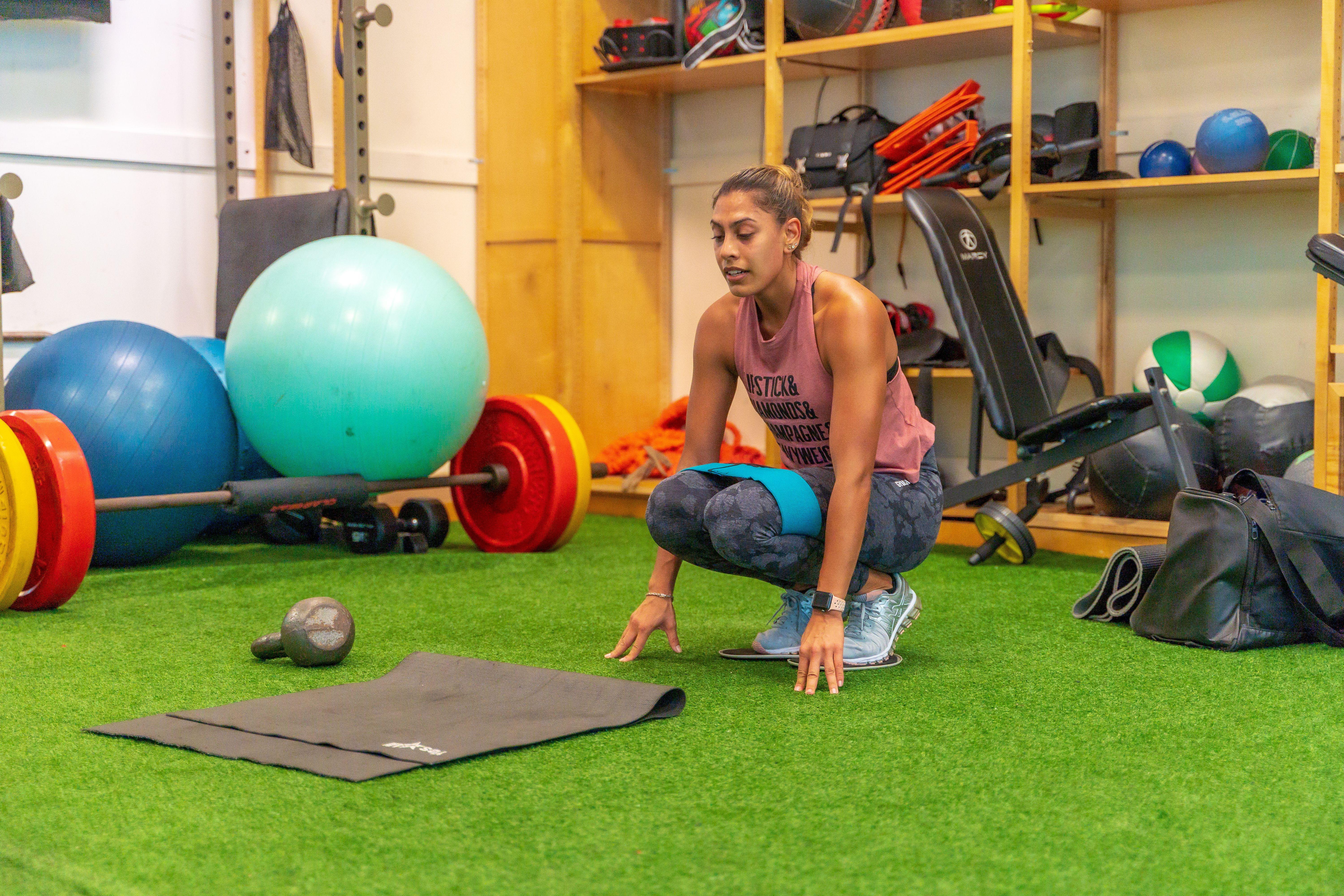
Starting strength training can feel overwhelming when you are surrounded by different weights, benches, racks, and workout programmes. The good news is that beginners do not need a complicated gym setup to get started.
A few versatile pieces of equipment can provide enough variety to build a practical home strength-training routine.
For UAE residents, home strength training can also make staying active more convenient. With the right setup, you can exercise indoors without travelling to a commercial gym, making it easier to maintain your routine during busy schedules or periods of high temperatures.
A beginner-friendly home gym can start with Dumbbells and Kettlebells, then expand with Weight Benches, Weight Plates, and Gym Storage Racks as your training develops.
What Is Strength Training?
Strength training is a form of exercise where muscles work against resistance.
The resistance can come from:
-
Free weights
-
Resistance bands
-
Weight machines
-
Cables
-
Bodyweight exercises
For home workouts, free weights are particularly useful because one piece of equipment can support many different exercises.
A well-designed routine can train the major muscle groups, including the:
-
Chest
-
Back
-
Shoulders
-
Arms
-
Legs
-
Glutes
-
Core
Why Should Beginners Start Strength Training?
Strength training can become an important part of a balanced fitness routine.
Regular resistance exercise can help support:
-
Muscular strength
-
Muscle development
-
General physical fitness
-
Movement quality
-
Training performance
-
A more active lifestyle
Beginners should focus on learning proper movement patterns and building consistency rather than immediately lifting heavy weights.
Why Train at Home in the UAE?
Home workouts offer convenience.
You do not need to spend time travelling to a gym, finding parking, or waiting for equipment.
This can be particularly useful for UAE residents who prefer exercising indoors during very hot periods.
A home gym also allows you to choose your own training schedule.
You can exercise before work, after work, or whenever you have time.
Start With Dumbbells
For most beginners, Dumbbells are one of the most useful pieces of equipment to consider.
They are relatively compact and can be used for both upper- and lower-body exercises.
Beginner exercises can include:
-
Goblet squats
-
Dumbbell rows
-
Shoulder presses
-
Bicep curls
-
Chest presses
-
Lunges
-
Romanian deadlifts
-
Lateral raises
You can start with a manageable weight and increase resistance gradually.
How Heavy Should Your Dumbbells Be?
There is no single dumbbell weight that is suitable for every beginner.
Your ideal weight depends on:
-
Your current strength
-
The exercise
-
Your training experience
-
Your technique
-
Your goals
A suitable weight should allow you to perform the exercise with controlled technique.
If you cannot maintain proper form, the weight may be too heavy.
Fixed or Adjustable Dumbbells?
Beginners can choose between fixed and adjustable designs.
Fixed Dumbbells
These are ready to use and do not require changing plates.
They can be convenient for quick workouts.
Adjustable Dumbbells
These allow you to change the resistance.
They can be useful in apartments or smaller home gyms because one set can provide several weight options.
Consider how much space you have before choosing.
Add Kettlebells to Your Routine
Once you are comfortable with basic dumbbell exercises, Kettlebells can add more variety.
Kettlebells are useful for both strength and dynamic movements.
Beginner-friendly exercises include:
-
Goblet squats
-
Kettlebell deadlifts
-
Rows
-
Carries
-
Presses
More advanced movements, such as kettlebell swings, should be learned carefully before adding significant resistance.
Why Kettlebells Are Useful at Home
A single kettlebell can be used for several exercises.
This makes them practical for people with limited space.
For example, a simple kettlebell workout could include:
Goblet Squat
Kettlebell Deadlift
Kettlebell Row
Kettlebell Press
Farmer Carry
These exercises can create a full-body session using very little equipment.
Add a Weight Bench
Once you have developed a basic routine, consider adding Weight Benches.
A bench can provide a stable platform for several exercises.
You can perform:
-
Dumbbell bench presses
-
Incline presses
-
Seated shoulder presses
-
Supported rows
-
Triceps exercises
-
Step-ups
-
Core exercises
A bench can significantly increase the versatility of a small home gym.
Flat or Adjustable Bench for Beginners?
A flat bench is simple and stable.
It can be suitable for basic pressing, rows, and seated exercises.
An adjustable bench provides additional angles.
This can allow you to perform both flat and incline pressing movements.
If you have enough space and want more exercise options, an adjustable bench can be a useful long-term investment.
When Do You Need Weight Plates?
Weight Plates become particularly useful when you begin incorporating compatible bars or other plate-loaded equipment into your home gym.
They provide a convenient way to adjust resistance.
Weight plates are available in several styles, including:
-
Cast iron
-
Rubber-coated
-
Olympic
-
Bumper
-
Competition-style
Always make sure the plates match the equipment you intend to use.
Understanding Progressive Overload
Beginners often think they need to lift heavier weights every workout.
That is not necessary.
Progressive overload simply means gradually increasing the training challenge.
You can progress by:
-
Adding repetitions
-
Adding sets
-
Increasing resistance
-
Improving technique
-
Increasing range of motion
-
Using more challenging variations
Progress should be gradual.
Why You Need Gym Storage Racks
As you add equipment, storage becomes increasingly important.
Gym Storage Racks can help keep your home gym organised.
You can use appropriate storage solutions for:
-
Dumbbells
-
Kettlebells
-
Weight plates
-
Bars
-
Other accessories
A tidy gym can make it easier to start your workout and reduce clutter around the training area.
Building a Beginner Home Gym
You do not need to buy everything immediately.
A simple progression could be:
Step 1
Start with dumbbells.
Step 2
Add kettlebells.
Step 3
Add a weight bench.
Step 4
Introduce weight plates and compatible equipment.
Step 5
Add storage racks as your collection grows.
This approach allows you to build your gym based on your actual training needs.
Beginner Full-Body Workout
A simple beginner workout could include:
1. Goblet Squat
Targets the lower body.
2. Dumbbell Bench Press
Works the chest, shoulders, and triceps.
3. One-Arm Dumbbell Row
Targets the upper back.
4. Kettlebell Deadlift
Works the posterior chain.
5. Dumbbell Shoulder Press
Targets the shoulders and arms.
6. Dumbbell Curl
Works the biceps.
Perform the movements with controlled technique and appropriate resistance.
Beginner Upper-Body Workout
A simple upper-body session can include:
Dumbbell Bench Press
3 sets
One-Arm Dumbbell Row
3 sets per side
Dumbbell Shoulder Press
2–3 sets
Lateral Raise
2 sets
Bicep Curl
2 sets
Triceps Extension
2 sets
You can use a weight bench for additional support where appropriate.
Beginner Lower-Body Workout
A beginner lower-body workout could include:
-
Goblet squats
-
Reverse lunges
-
Romanian deadlifts
-
Step-ups
-
Kettlebell deadlifts
-
Calf raises
Start with manageable resistance and focus on controlled movement.
How Often Should Beginners Strength Train?
Beginners do not necessarily need to train every day.
A simple schedule might be:
Monday: Full body
Tuesday: Rest
Wednesday: Full body
Thursday: Rest
Friday: Full body
Saturday: Light activity
Sunday: Rest
Three full-body sessions per week can provide a simple structure for developing consistency.
Your ideal schedule will depend on your goals, experience, and recovery.
How Long Should a Beginner Workout Last?
You do not need to spend hours training.
A beginner workout could take approximately 30–45 minutes.
For example:
5 minutes: Warm-up
25–30 minutes: Strength training
5 minutes: Cool-down
Consistency matters more than making every workout extremely long.
Warm Up Before Strength Training
A warm-up prepares you for the movements ahead.
It can include:
-
Light walking
-
Easy cycling
-
Joint movements
-
Dynamic mobility
-
Light sets of your first exercise
The goal is to gradually prepare your body for the session.
Rest Between Sets
Beginners should allow enough rest to perform their next set with good technique.
The appropriate rest period can vary depending on the exercise and training intensity.
For heavier compound movements, you may need longer rest.
For lighter exercises, shorter rest may be sufficient.
Do not rush simply to make the workout shorter.
Strength Training in UAE Apartments
If you live in an apartment, noise and space can be important considerations.
Choose equipment that fits comfortably in your available area.
Consider:
-
Compact dumbbells
-
Adjustable equipment
-
Smaller kettlebells
-
Compact benches
-
Appropriate flooring
-
Efficient storage
Avoid performing exercises that require large amounts of space if your workout area is limited.
Training During Hot UAE Weather
Indoor training can be a practical alternative when outdoor conditions are uncomfortable.
Before exercising at home:
-
Keep the room comfortable.
-
Maintain adequate ventilation.
-
Keep water nearby.
-
Avoid overcrowding the training area.
-
Take breaks when necessary.
Hydration can be particularly important when exercising in warm environments.
Common Beginner Mistakes
Avoid these common mistakes when starting strength training.
Lifting Too Heavy
More weight does not automatically mean a better workout.
Poor Technique
Learn the movement before increasing resistance.
Doing Too Much Too Soon
Give your body time to adapt.
Ignoring Recovery
Rest and sleep are important parts of training.
Buying Too Much Equipment
Start with versatile products before filling your home with equipment.
How to Progress as a Beginner
Once your workouts start feeling easier, you can gradually increase the challenge.
For example:
Weeks 1–2
Focus on technique and consistency.
Weeks 3–4
Increase repetitions where appropriate.
Following Weeks
Gradually introduce more resistance or additional sets.
Your progression does not have to follow a rigid timeline.
Listen to your body and adjust your training accordingly.
Strength Training and Cardio
Beginners can combine strength training with cardio.
For example:
Monday: Strength
Tuesday: Walking or light cardio
Wednesday: Strength
Thursday: Rest
Friday: Strength
Saturday: Light cardio
Sunday: Rest
This can provide variety while allowing sufficient recovery.
Strength Training and Recovery
Your muscles need time to recover after training.
Support your recovery with:
-
Adequate sleep
-
Hydration
-
Balanced nutrition
-
Rest days
-
Appropriate training volume
If you experience persistent pain rather than normal exercise discomfort, stop the activity and consider seeking advice from an appropriate healthcare professional.
Maintaining Your Home Gym Equipment
Your equipment should be inspected regularly.
Check for:
-
Loose components
-
Damaged handles
-
Worn bench padding
-
Damaged plates
-
Kettlebell handle issues
-
Unstable storage racks
Clean equipment according to the manufacturer's recommendations.
Keep weights stored safely when they are not being used.
Organising Your Home Gym
Good organisation makes a home gym easier to use.
Keep frequently used equipment accessible while storing heavier or less frequently used equipment appropriately.
A storage rack can help prevent weights from being left around the floor.
Always make sure your training area has a clear path for movement.
A Beginner's Home Gym Checklist
If you are starting from scratch, consider:
-
Dumbbells
-
Kettlebells
-
Weight bench
-
Weight plates
-
Storage rack
-
Exercise mat
-
Suitable flooring
-
Water bottle
You can add more equipment once you understand your training preferences.
Strength Training Goals for Beginners
Your goals can influence how you train.
General Fitness
Focus on full-body workouts and consistency.
Building Muscle
Use progressive resistance and sufficient training volume.
Improving Strength
Gradually increase resistance while maintaining good technique.
Functional Fitness
Include movements such as squats, carries, lunges, presses, and kettlebell exercises.
There is no need to specialise immediately.
Build a strong foundation first.
Creating a Long-Term Home Gym
Your first home gym does not need to be your final home gym.
As you gain experience, you may discover that you prefer certain exercises or training styles.
You can then expand your equipment accordingly.
For example:
Beginner: Dumbbells + kettlebell
Intermediate: Add weight bench
Advanced: Add weight plates and additional resistance equipment
Growing Home Gym: Add gym storage racks
This gradual approach can help you spend your budget more effectively.
Final Thoughts
Strength training can be simple, accessible, and highly adaptable to home environments.
For beginners in the UAE, a few versatile pieces of equipment can provide the foundation for a complete workout routine. Start with Dumbbells and Kettlebells, then consider adding Weight Benches as you want more exercise options.
As your strength and experience increase, Weight Plates can provide additional resistance options, while Gym Storage Racks can help keep your growing equipment collection organised.
The most important part is consistency.
Train with appropriate resistance, learn proper technique, progress gradually, and give your body enough time to recover.
Whether you are creating a small workout corner in a Dubai apartment or a dedicated home gym in Abu Dhabi, Sharjah, or another UAE location, a thoughtfully planned strength-training setup can make regular exercise easier and more convenient.

 Arabic
 French
 Spanish
 Portuguese
 Deutsch
 Turkish
 Dutch
Dutch
 Italiano
 Russian
 Romaian
 Portuguese (Brazil)
 Greek
Greek