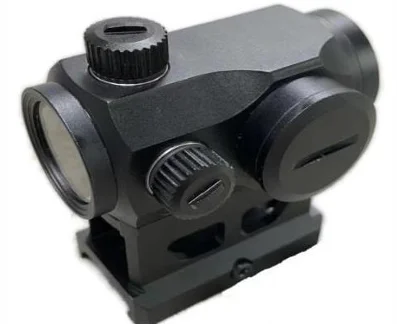
Modern optical engineering continues to introduce innovative solutions that combine precision, compact design, and dependable viewing performance. Among these specialised products, a Red Dot Sight represents a practical example of how optical technology can be integrated into compact equipment for appropriate sporting, training, and professional applications.
One of the defining characteristics of modern red dot optical systems is their straightforward viewing concept. Instead of relying on complex magnification systems, these products are generally designed around a simple illuminated aiming reference within the viewing window. This approach can provide users with an uncluttered visual interface when used appropriately.
Optical clarity remains an important consideration when evaluating any specialised sight. High-quality lenses and carefully engineered optical components can contribute to a clear viewing experience. Lens coatings and precision manufacturing may also help manage reflections and improve overall optical performance in suitable lighting conditions.
Compact construction is another major advantage of modern optical equipment. Many users value products that provide useful functionality without adding unnecessary bulk. Advances in optical engineering allow manufacturers to develop increasingly streamlined designs while maintaining attention to structural strength and component protection.
Durability is particularly relevant for equipment intended for outdoor environments. Optical products may encounter dust, moisture, vibration, temperature variations, and frequent handling. A robust housing can help protect sensitive internal components and support reliable operation when the product is used within its intended specifications.
Manufacturing precision also plays a significant role. Optical systems contain carefully positioned components that need to work together consistently. Quality control during production can help ensure that lenses, emitters, housings, and adjustment systems meet appropriate manufacturing standards.
Different applications can require different optical characteristics. Sporting users may prioritise compactness and viewing clarity, while professional applications can place greater emphasis on environmental resistance and equipment compatibility. Understanding the intended application is therefore an important part of selecting suitable optical equipment.
Material quality can further influence product performance. Optical glass, protective coatings, housing materials, and internal components all contribute to the overall design. Manufacturers must balance durability, weight, optical quality, and production consistency when developing modern sighting products.
Maintenance should not be overlooked. Keeping optical surfaces clean, protecting the product from unnecessary impacts, and following manufacturer care instructions can help preserve performance. Appropriate storage can also reduce the risk of environmental damage when the equipment is not being used.
Responsible use is essential when optical equipment is associated with firearms. Users should follow all applicable laws, safety requirements, manufacturer instructions, and recognised training practices. Proper handling and safe storage remain fundamental regardless of the technology incorporated into an optical product.
The development of compact optical systems demonstrates the broader progress taking place within the precision optics industry. Manufacturers continue to explore improved optical coatings, durable materials, efficient electronic components, and streamlined designs to create increasingly sophisticated viewing solutions.
When evaluating optical equipment, users should consider the complete product rather than focusing on one feature. Optical quality, durability, dimensions, compatibility, maintenance requirements, and intended application all contribute to determining whether a product is suitable.
For users researching modern optical technologies, a Red Dot Sight offers an example of compact optical engineering focused on a clear and practical viewing interface. By considering construction quality, optical performance, appropriate application, and responsible use, users can make better-informed decisions when exploring specialised optical products.




 Arabic
 French
 Spanish
 Portuguese
 Deutsch
 Turkish
 Dutch
 Italiano
 Russian
 Romaian
 Portuguese (Brazil)
 Greek