


How to Prepare for a Cortisol Blood Test
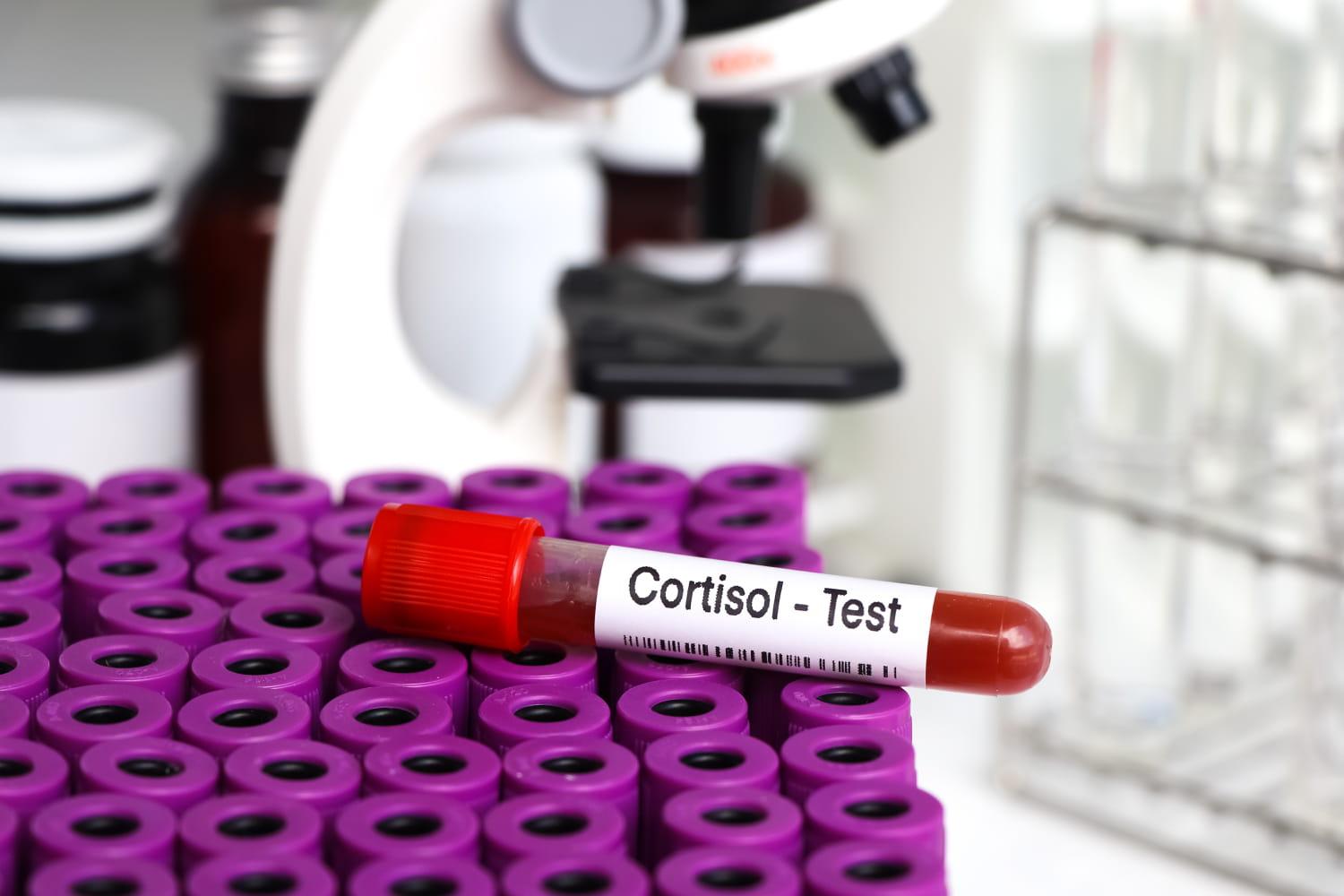
Preparing for a Cortisol Blood Test Dubai may seem straightforward, but cortisol is different from many routine blood markers because its levels naturally change throughout the day. The time of collection, medications, sleep, physical activity, illness, and other factors can all influence the result.
Knowing how to prepare can help ensure that your sample is collected under the conditions your healthcare professional intended. It can also make your laboratory report easier to interpret.
First, Understand Why the Test Is Being Done:
Before focusing on preparation, it helps to understand the purpose of the test.
Cortisol is a hormone produced by the adrenal glands. It helps regulate blood glucose, blood pressure, metabolism, immune activity, and the body's response to physical demands.
A healthcare professional may recommend cortisol testing when there are symptoms or clinical findings that suggest abnormal cortisol production.
Possible signs of excessive cortisol may include:
- Unexplained weight gain
- Muscle weakness
- Easy bruising
- High blood pressure
- Changes in blood glucose
- Certain changes in body fat distribution
Possible signs of insufficient cortisol can include:
- Persistent fatigue
- Weakness
- Dizziness
- Low blood pressure
- Unexplained weight loss
- Nausea
- Abdominal discomfort
These symptoms can have many causes, so cortisol testing is generally interpreted alongside medical history and other findings.
The Most Important Preparation Step: Know Your Collection Time
Cortisol follows a circadian rhythm, meaning its concentration changes naturally throughout the day.
For many people, cortisol is relatively higher in the morning and gradually decreases later in the day. Because of this pattern, the time when your blood is collected can be crucial.
Your healthcare professional may ask you to have the sample collected at a specific time.
Do not choose a convenient time on your own if a timed cortisol test has been ordered.
If you are unsure about the appointment time, confirm it with the laboratory or healthcare professional before testing.
Do You Need to Fast Before a Cortisol Blood Test?
A cortisol blood test does not always require fasting.
Whether you need to avoid food or certain beverages depends on the specific testing instructions and whether other blood tests are being performed at the same appointment.
If fasting is required, you should receive specific instructions about:
- When to stop eating
- Whether water is permitted
- Which beverages should be avoided
- Whether medications can be taken
- When normal eating can resume
Do not assume that fasting is necessary simply because you are having blood drawn.
If you have not received clear instructions, contact the appropriate healthcare professional or laboratory rather than guessing.
Review Your Medications Before Testing:
One of the most important preparation steps is providing an accurate list of your medications.
Certain medications can affect cortisol production or interfere with how cortisol is measured.
Corticosteroids are particularly important because they can influence the body's cortisol system.
Other medicines may also affect adrenal hormone regulation or laboratory results.
Tell your healthcare professional about:
- Prescription medications
- Over-the-counter medicines
- Corticosteroids
- Hormonal medications
- Vitamins
- Herbal products
- Other supplements
Should You Stop Your Medication?
Generally, you should not stop prescribed medication on your own.
If a medication could affect cortisol testing, your healthcare professional can decide whether any adjustment is necessary.
Stopping a medicine without medical guidance can create unnecessary health risks and may make the test harder to interpret.
Protect Your Normal Sleep Schedule:
Sleep and cortisol are closely connected.
Because cortisol follows a daily biological rhythm, significant changes in your sleep pattern may influence the hormone's concentration.
If possible, follow your usual sleep schedule before testing unless your healthcare professional has given you different instructions.
Tell your healthcare professional if you:
- Work night shifts
- Have recently changed your sleep schedule
- Have experienced significant sleep deprivation
- Regularly sleep during the daytime
- Have an unusually irregular sleep pattern
This information can help provide context when the cortisol result is reviewed.
Avoid Unusual Physical Exertion Before the Test:
Intense physical activity can temporarily affect cortisol levels.
You do not necessarily need to avoid all normal movement or exercise unless your healthcare professional instructs you to do so.
However, it may be sensible to avoid unusually strenuous exercise immediately before testing if your healthcare professional has advised you to maintain normal conditions.
For example, an unusually intense workout may produce a temporary physiological stress response that could influence cortisol concentration.
If you completed strenuous exercise shortly before your appointment, mention it when discussing your test.
Consider Recent Illness or Physical Stress:
Your body can increase cortisol production in response to physical stress.
Recent illness, infection, injury, surgery, or significant physical strain can therefore affect cortisol levels.
If you are currently unwell or have recently experienced a major physical stressor, tell your healthcare professional.
This does not necessarily mean that the test cannot be performed. Instead, it gives the healthcare professional useful context for interpreting the result.
A temporarily elevated cortisol level during illness does not automatically indicate a chronic cortisol disorder.
What About Emotional Stress?
Emotional stress can also influence cortisol production.
Feeling nervous about a blood draw, having a difficult day, or experiencing ongoing psychological pressure may affect cortisol levels to varying degrees.
This does not mean you should attempt to eliminate every source of stress before the test.
Instead, provide relevant information if you have experienced significant emotional or physical stress around the time of testing.
A cortisol blood test measures the hormone concentration in your bloodstream. It is not a direct test of how stressed you feel emotionally.
Follow the Laboratory's Instructions About Food and Drinks
If you have been given specific preparation instructions, follow them exactly.
Depending on the testing plan, you may be told that normal eating and drinking are acceptable, or you may receive fasting instructions because other blood tests are being performed.
If fasting is required, ask whether plain water is permitted.
Avoid making assumptions about coffee, energy drinks, juices, or other beverages if the instructions are unclear.
The safest approach is to follow the laboratory's instructions rather than using general advice intended for a different blood test.
What Should You Bring to the Appointment?
Preparation can also mean having the right information available.
Consider bringing or having access to:
- Your medication list
- Relevant medical records if requested
- Previous laboratory reports if your healthcare professional needs them
- Your appointment details
- Information about your recent symptoms
You may also want to know the exact reason for the test and whether other blood tests are being collected at the same time.
This can help you understand why certain preparation instructions have been provided.
What Happens When You Arrive?
The blood collection itself is usually simple.
A healthcare professional may first confirm your identity and review the test order.
They may ask about your preparation, medication use, recent illness, sleep, or other relevant factors.
You will generally sit comfortably while a suitable vein is selected, usually in the arm.
The skin is cleaned, and a sterile needle is inserted into the vein. A small blood sample is collected into an appropriate tube.
The needle is then removed, pressure is applied to the area, and a bandage may be placed.
The blood draw usually takes only a few minutes.
What Should You Do Immediately Before the Blood Draw?
If you arrive early, follow the instructions provided by the laboratory.
Depending on the circumstances, you may be asked to sit quietly for a short period before the sample is collected.
If you feel nervous, tell the healthcare professional.
If you have previously experienced dizziness or fainting during blood collection, let them know before the procedure begins.
Remaining comfortably seated and following the collection instructions can make the process easier.
Can Caffeine Affect Cortisol Testing?
Caffeine can influence physiological responses, and individual testing instructions may vary.
Whether you should avoid coffee or other caffeinated beverages depends on the specific test and preparation requirements.
If your healthcare professional has instructed you to fast or avoid particular beverages, follow those instructions.
If no clear guidance was provided, ask before the appointment rather than assuming that caffeine is either permitted or prohibited.
Can Alcohol Affect Cortisol Levels?
Alcohol can affect several physiological processes, and excessive alcohol consumption may influence cortisol regulation.
If your healthcare professional has provided specific instructions regarding alcohol before testing, follow them.
It is also useful to disclose relevant alcohol use when discussing your medical history, particularly if cortisol abnormalities are being investigated.
What If You Forget the Preparation Instructions?
Do not panic.
If you accidentally eat when you were supposed to fast, take medication that you were specifically told to withhold, or arrive at the wrong time, tell the healthcare professional.
Do not hide the mistake.
Depending on the test and the circumstances, the healthcare professional may proceed, interpret the result accordingly, or recommend collecting the sample at another time.
Accurate information is more useful than attempting to correct the situation yourself.
How Can You Get the Most Reliable Cortisol Result?
There is no way to control every factor affecting cortisol. However, you can reduce avoidable variables by following the testing instructions carefully.
A practical preparation checklist is:
Before the appointment
- Confirm the exact collection time.
- Ask whether fasting is required.
- Review medication instructions.
- Tell your healthcare professional about corticosteroids.
- Maintain your usual sleep schedule when possible.
- Avoid unusual strenuous activity if instructed.
- Mention recent illness or significant physical stress.
On the day
- Follow food and beverage instructions.
- Take or withhold medication only according to professional guidance.
- Arrive at the scheduled time.
- Tell the healthcare professional about relevant changes in your health.
- Inform them if you feel faint or unusually unwell.
What Happens After the Test?
Once the blood sample is collected, it is sent to a laboratory for analysis.
The report usually includes the measured cortisol concentration, the laboratory's reference range, and information about the specimen collection.
Because cortisol changes throughout the day, the collection time is essential when interpreting the result.
A result that appears high or low should not automatically be treated as a diagnosis.
Healthcare professionals may consider additional factors such as medication use, recent illness, sleep patterns, symptoms, and other laboratory findings.
If further investigation is necessary, additional tests may include urine cortisol, salivary cortisol, ACTH stimulation, or suppression testing.
Frequently Asked Questions:
Do I need to fast for a cortisol blood test?
Not always. Preparation depends on the specific test and any additional blood work being performed. Follow the instructions provided by your healthcare professional.
What time should I take a cortisol blood test?
The appropriate time depends on the purpose of testing. Because cortisol follows a daily rhythm, your healthcare professional may specify a particular collection time.
Can I take my regular medication?
Do not change prescribed medication without medical advice. Some medicines can affect cortisol levels, so provide a complete medication history.
Can poor sleep affect cortisol results?
Yes. Changes in sleep duration and timing can influence the body's normal cortisol rhythm.
Should I exercise before a cortisol test?
Avoid unusual strenuous exercise if your healthcare professional recommends doing so. Intense physical activity can temporarily influence cortisol levels.
Can stress affect cortisol testing?
Yes. Physical and emotional stress can influence cortisol production. Significant stress or illness should be mentioned when the result is interpreted.
Final Takeaway:
Preparing for a cortisol blood Lab tests is mainly about following the correct timing and providing your healthcare professional with accurate information about medications, sleep, illness, exercise, and other relevant factors.
You may not need to fast, and you should never stop prescribed medication unless specifically instructed. The most important preparation step is knowing exactly when your sample should be collected because cortisol naturally follows a daily rhythm.
On the day of testing, the blood draw itself is usually quick. After collection, the laboratory measures the cortisol concentration and reports the result alongside an appropriate reference range.
Remember that cortisol testing is not simply a measurement of emotional stress. A high or low result can have several explanations, and interpretation depends on the complete clinical picture.
By following your healthcare professional's preparation instructions and providing complete information about your health and medications, you can help ensure that your cortisol blood test provides useful information for the next stage of evaluation.

 English
 Arabic
 French
 Spanish
 Portuguese
 Deutsch
 Turkish
 Dutch
 Russian
 Romaian
 Portuguese (Brazil)
 Greek