


Block Paving Driveways in Godalming Surrey: A Guide
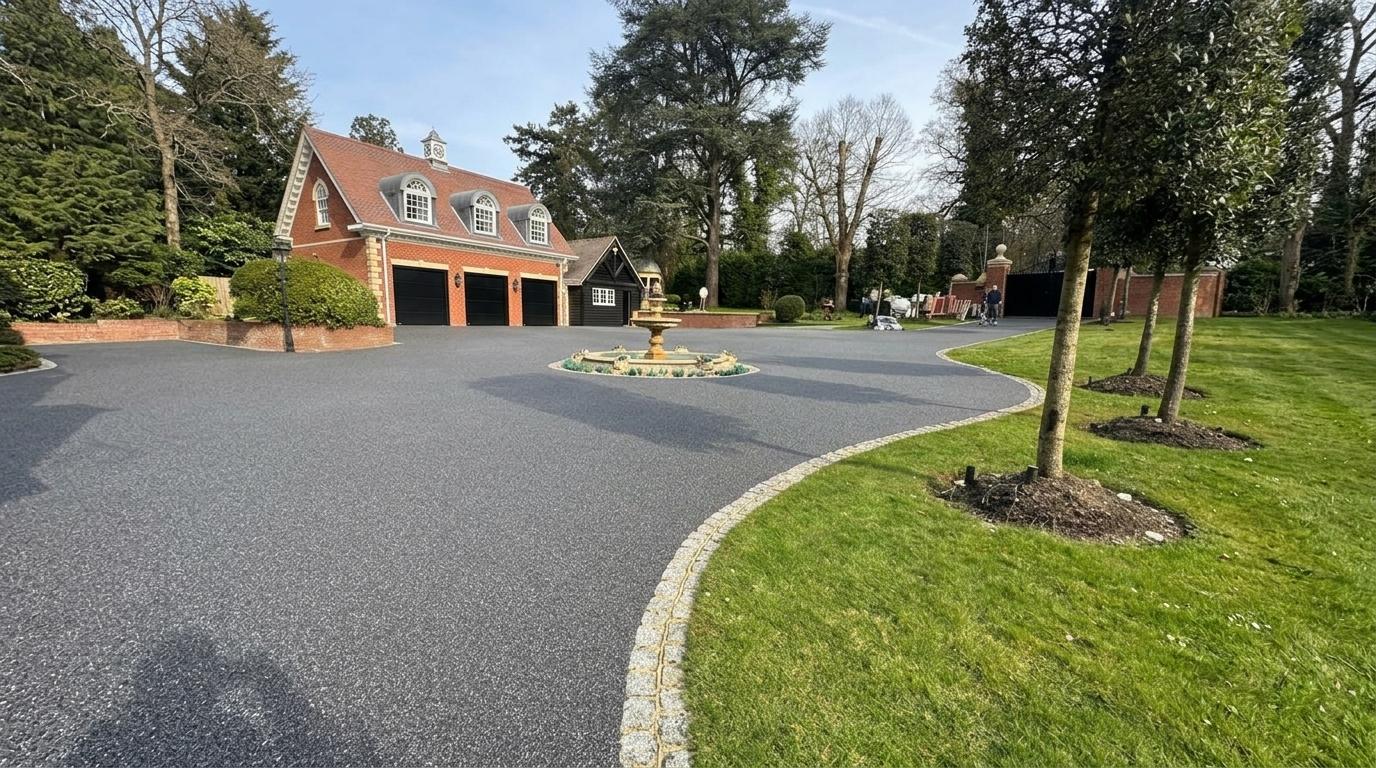
Block paving remains a versatile choice for driveways because it combines practical vehicle access with considerable design flexibility. Individual blocks can be arranged in different patterns, colours and borders to create a finish that suits the property. If you are considering Block Paving Driveways in Godalming Surrey, it is worth understanding what makes a well-constructed driveway perform properly.
What Is Block Paving?
Block paving uses individual paving blocks installed over a prepared foundation. The blocks are laid closely together, with joints filled using suitable material to help stabilise the surface.
Block paving can be used for:
- Residential driveways
- Parking areas
- Paths
- Courtyards
- Garden areas
- Access routes
Its flexibility makes it suitable for both simple and more decorative driveway designs.
Why Choose Block Paving?
Wide Design Choice
One of the biggest advantages is the variety of colours, textures, shapes and laying patterns available. Borders can also be incorporated to create visual definition.
Individual Blocks Can Be Replaced
If a particular section becomes damaged or needs access for underground work, individual blocks can potentially be lifted and reinstated or replaced.
Suitable for Different Property Styles
Traditional and contemporary block designs can be used depending on the appearance of the surrounding property.
Defined Edges
Proper edging helps retain the blocks and maintain the intended shape of the driveway.
How Is a Block Paving Driveway Installed?
The preparation underneath the blocks is fundamental to the finished result.
Ground Excavation
The existing surface and unsuitable material may need to be removed to establish the correct levels and depth.
Sub-Base Installation
A suitable sub-base is installed and compacted to provide stability. The required construction depends on ground conditions and expected vehicle loading.
Drainage and Falls
The driveway needs appropriate levels so surface water does not simply collect in low areas. Drainage arrangements should be considered alongside the surrounding property.
Sand and Block Installation
A suitable laying course is prepared before the blocks are installed according to the chosen pattern.
Jointing and Compaction
The joints are filled and the surface is compacted appropriately to help create a stable finished driveway.
What Can Cause Block Paving Problems?
Common issues include:
- Uneven or sinking areas
- Loose blocks
- Weed growth
- Poor drainage
- Staining
- Damaged joints
- Edge movement
Settlement is often associated with problems beneath the visible paving, which is why proper foundation preparation matters.
How Should Block Paving Be Maintained?
Regular sweeping helps prevent dirt and organic debris from accumulating in the joints. Weeds should be dealt with before they become established.
Oil and other stains should be addressed promptly. If individual blocks become damaged or an area settles, repairing the affected section may be preferable to leaving the problem untreated.
Periodic inspection of edges, drainage points and joints can also help identify developing problems.
Is Block Paving Better Than Tarmac or Resin?
There is no universal answer.
Block paving offers extensive design flexibility and the ability to work with individual paving units. Resin can provide a smoother, more continuous finish, while tarmac offers a practical surface for regular vehicle access.
The right choice depends on the property, appearance, drainage requirements, budget, maintenance preferences and expected use.
What Should You Consider Before Installation?
Before starting a driveway project, consider:
- How many vehicles will use the driveway?
- Will larger vehicles ever need access?
- How will surface water drain?
- What appearance suits the property?
- Does the existing ground require excavation?
- What edging will be used?
- How will the driveway connect with existing paths and entrances?
Planning these details before installation can prevent avoidable changes later.
Frequently Asked Questions
Are block paving driveways durable?
A properly constructed block paving driveway can provide a practical surface for regular residential use. Its performance depends heavily on foundation preparation, drainage and installation quality.
Can individual paving blocks be replaced?
Yes. One advantage of block paving is that individual blocks can often be removed and replaced if they become damaged or if access is required beneath the driveway.
Do block paving driveways need maintenance?
They benefit from regular sweeping, weed control and attention to damaged joints or settled areas. Keeping drainage points clear is also important.
Why do block paving driveways sink?
Localised sinking can occur when the underlying foundation or laying course has become unstable or was not adequately prepared. The affected area may need to be lifted and reconstructed.
Can block paving be used on a sloped driveway?
Yes, block paving can be installed on sloping sites, but the design needs to account for levels, drainage and vehicle access.
Is block paving suitable for heavy vehicles?
It can be, but the driveway construction should be designed around the expected loading. Heavy vehicle use may require a different foundation specification from ordinary domestic traffic.
Create a Driveway That Works for Your Property
A successful block paving driveway is built from the ground up. The visible blocks are only one part of the system; excavation, sub-base preparation, drainage, edging and installation all influence long-term performance. If you are considering driveway or wider property work, a Roofing company in Godalming Surrey can help you explore the available services for your project.

 Arabic
 French
 Spanish
 Portuguese
 Deutsch
 Turkish
 Dutch
Dutch
 Italiano
 Russian
 Romaian
 Portuguese (Brazil)
 Greek
Greek