


What Does a Negative HIV Blood Test Result Mean?
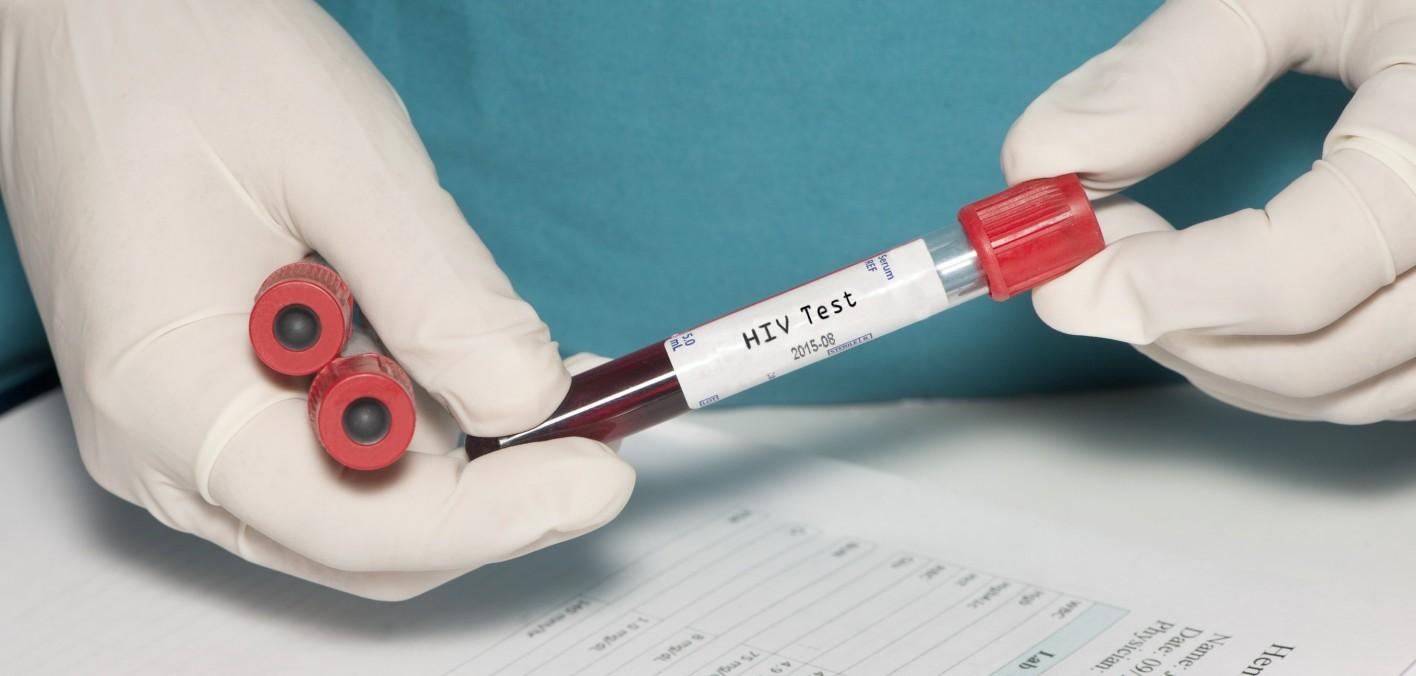
Receiving a negative HIV blood test result can be reassuring, but many people still wonder whether the result completely rules out HIV. The answer depends mainly on when you were tested, which HIV test was used, and whether you had any new potential exposure afterward.
Modern HIV Blood Test in Dubai is highly accurate, but every test has a detection window. If testing occurs too soon after infection, HIV may not yet be detectable even though infection has occurred.
Understanding what "negative" or "non-reactive" means can help you interpret your result correctly and know whether any follow-up testing is needed.
The Basic Meaning of a Negative HIV Test
A negative HIV test result generally means that HIV was not detected by the test.
For a person who has tested after the appropriate window period and has not had another potential exposure, a negative result can provide strong reassurance.
However, the word "negative" does not have exactly the same meaning in every situation. A negative result obtained shortly after a potential exposure may need to be repeated because the test may have been performed before HIV became detectable.
This is why healthcare professionals consider both the laboratory result and the timing of the test.
Negative and Non-Reactive: Are They the Same?
You may see the word non-reactive rather than negative on an HIV laboratory report.
In many HIV screening tests, "non-reactive" means that the test did not detect the HIV markers it was designed to identify. In practical terms, this is generally interpreted as a negative screening result.
The exact wording depends on the laboratory and testing method. If your report contains unfamiliar terms, ask the healthcare provider or laboratory professional who performed the test to explain them.
The Most Important Question: When Did You Test?
The timing of your HIV test is critical.
After HIV enters the body, detectable markers develop over time. Depending on the test, laboratories may look for HIV antibodies, the p24 antigen, or HIV genetic material.
The period between potential infection and reliable detection is known as the HIV window period.
According to HIV.gov, a laboratory antigen and antibody test using blood from a vein can usually detect HIV approximately 18 to 45 days after exposure. A nucleic acid test can generally detect HIV around 10 to 33 days, while antibody tests may take approximately 23 to 90 days.
Therefore, a negative test taken very early may not provide the same reassurance as a negative test performed after the relevant window period.
Why Can an Early HIV Test Be Negative?
A false-negative HIV test can occur when the test is performed before enough detectable HIV markers have developed.
For example, an antibody test relies on the body's immune response. If the body has not yet produced enough detectable antibodies, the test may report a negative result even though infection is present.
Other tests can detect infection earlier, but they also have their own window periods.
This does not mean HIV tests are unreliable. Rather, it demonstrates why test timing matters.
If you recently had a possible exposure, tell your healthcare provider exactly when it occurred so they can determine whether your negative result is sufficient or whether another test should be performed.
What Does a Negative Result Mean After the Window Period?
A negative HIV result obtained after the appropriate window period is much more reassuring.
If you used a test according to its recommended testing window, received a negative result, and have not experienced another potential exposure, HIV infection from that earlier exposure is generally unlikely.
The exact point at which a negative result can be considered conclusive depends on the specific HIV test used.
For this reason, avoid applying a single "HIV test rule" to every type of test. A laboratory antigen and antibody test, antibody-only test, and NAT do not have identical detection windows.
How Accurate Is a Negative HIV Blood Test?
Modern HIV blood tests are designed to be highly sensitive and specific when used correctly.
Laboratory-based antigen and antibody tests are among the commonly used methods for HIV screening. They can identify both HIV antigen and antibodies, allowing infection to be detected earlier than with antibody-only testing in many cases.
However, accuracy is influenced by the timing of testing. A highly accurate test can still produce a false-negative result if it is used before the infection becomes detectable.
The best way to interpret a negative result is therefore to consider test type + time since exposure + subsequent exposure history.
What If You Tested Negative at One Week?
A negative HIV test one week after a potential exposure may be too early to rule out infection with many standard testing methods.
A nucleic acid test may detect HIV earlier than other tests, but HIV.gov gives a typical NAT detection window of approximately 10 to 33 days after exposure.
Consequently, a negative result at seven days should not automatically be treated as definitive.
If your test was performed very early, ask a healthcare professional when you should test again based on the specific method used.
What If You Tested Negative at Four Weeks?
Four weeks after exposure can be a useful time for HIV testing, particularly with laboratory antigen and antibody testing.
However, the commonly cited detection range for a laboratory antigen and antibody test using blood from a vein extends to 45 days.
A negative result at four weeks can therefore be reassuring but may not eliminate the need for follow-up testing in every situation.
Your healthcare provider can tell you whether testing again after the relevant window period is appropriate.
What If You Tested Negative at Six Weeks?
Six weeks is approximately 42 days, which falls near the later part of the commonly cited 18-to-45-day detection range for laboratory antigen and antibody testing.
If you received a negative result using a laboratory antigen and antibody test at this stage, it can be highly reassuring. However, individual testing circumstances still matter.
If your provider recommends another test, follow that recommendation. The correct interpretation depends on the exact test, laboratory procedures, potential exposure, and whether you are taking HIV prevention medication.
Does a Negative HIV Test Mean You Are HIV-Free?
A negative result can indicate that you do not have detectable HIV according to the test, but the timing must be appropriate.
If the test was performed before the end of its window period, a negative result cannot necessarily exclude a recent infection.
Similarly, if you had another potential exposure after your test, that later exposure creates a new testing timeline.
It is more accurate to say that a properly timed negative test provides evidence that HIV was not detected rather than assuming every negative test immediately rules out every possible exposure.
What If You Still Have Symptoms After a Negative Test?
A negative HIV test does not mean that unexplained symptoms should automatically be ignored.
Symptoms such as fever, fatigue, swollen lymph nodes, sore throat, rash, or night sweats can occur for many reasons. Some people with early HIV infection have flu-like symptoms, while others have no noticeable symptoms.
Symptoms alone cannot diagnose HIV.
If you have symptoms after a potential exposure, tell your healthcare professional about both the symptoms and the exposure. They can determine whether repeat HIV testing or evaluation for another condition is appropriate.
What If You Take PrEP or PEP?
Tell your healthcare provider if you are taking or have recently taken PrEP or PEP.
Pre-exposure prophylaxis, or PrEP, is medication used to reduce the risk of acquiring HIV. Post-exposure prophylaxis, or PEP, is medication used after a potential exposure to reduce the risk of infection.
These medications can affect the clinical approach to HIV testing, so your provider may recommend a specific testing schedule.
Do not stop prescribed PrEP or PEP because you are worried about the meaning of an HIV test result. Discuss medication changes with your healthcare professional.
What Should You Do After a Negative HIV Test?
Your next step depends on the circumstances.
If you tested after the appropriate window period and had no new exposure, you may simply continue your normal healthcare routine.
If you tested during the window period, ask whether repeat testing is recommended.
If you have ongoing HIV exposure risk, consider discussing prevention options with a healthcare provider. These may include condoms, regular HIV screening, PrEP, and other strategies appropriate to your circumstances.
A negative test is also an opportunity to establish a baseline for future sexual health screening.
What If a Possible Exposure Happened Within 72 Hours?
A negative HIV test does not replace urgent medical evaluation after a very recent potential exposure.
If the exposure occurred within the previous 72 hours, seek medical care promptly to ask about post-exposure prophylaxis, or PEP.
HIV.gov states that PEP should be started as soon as possible and must be started within 72 hours of exposure.
Do not delay seeking care while waiting for the ideal HIV testing date.
How to Interpret a Negative Result With Confidence?
When reviewing a negative HIV blood test, ask yourself four questions:
What type of test was performed?
An antigen and antibody test, antibody test, and NAT have different detection windows.
How long after exposure was the test taken?
Testing too early can produce a false-negative result.
Have you had another possible exposure?
A later exposure may require a new testing timeline.
Did your healthcare provider recommend repeat testing?
If so, follow the recommended schedule.
These questions provide a more accurate interpretation than focusing on the word "negative" alone.
When Should You Repeat an HIV Test?
Repeat testing may be appropriate when the initial test was performed during the window period or when a healthcare professional recommends follow-up.
For example, if an HIV test was taken only a few days after exposure, additional testing later may be necessary.
The timing of repeat testing should correspond to the type of test used. Do not assume that a 90-day waiting period applies to every modern HIV blood test, because different tests have different detection windows.
If you are uncertain, ask the testing provider for a specific follow-up date.
A Negative HIV Result Can Be Reassuring:
A negative HIV blood test is generally good news, especially when the test has been performed at the appropriate time.
The key is understanding that a negative result and a negative result after the window period are not necessarily equivalent.
A laboratory antigen and antibody test may usually detect HIV between 18 and 45 days after exposure, while NATs and antibody-only tests have different detection ranges.
If your result was negative but you tested early, follow-up testing may provide greater confidence.
Final Takeaway:
A negative HIV blood Lab tests generally means that HIV was not detected in your sample. For many people, that is reassuring. However, the result must be considered alongside the type of HIV test and the time since possible exposure.
Testing during the window period can produce a false-negative result, while a properly timed negative test can provide much stronger reassurance.
If you recently had a possible exposure, tell your healthcare provider when it occurred and which test you received. If the exposure was within 72 hours, seek urgent advice about PEP.
Most importantly, do not let unfamiliar terminology on a laboratory report create unnecessary fear. If your result says negative or non-reactive, a qualified healthcare professional can explain exactly what it means in the context of your test and testing timeline.

 English
 French
 Spanish
 Portuguese
 Deutsch
 Turkish
 Dutch
 Italiano
 Russian
 Romaian
 Portuguese (Brazil)
 Greek