


Varicocele Repair Surgery: Causes, Benefits, Procedure, and Recovery
Varicoceles are a common condition affecting the veins within the scrotum, and while some men never experience noticeable symptoms, others may develop discomfort, testicular changes, or fertility concerns. Because a varicocele can sometimes interfere with sperm production and testicular function, proper evaluation is important when symptoms or fertility problems occur. Modern urological care offers several approaches for managing this condition, including observation and surgical treatment when appropriate. Understanding what causes varicoceles, when treatment may be recommended, and what recovery involves can help men make informed decisions about their reproductive and urological health.
What Is Varicocele Repair Surgery?
Varicocele Repair Surgery is a procedure used to treat enlarged veins around the testicle by redirecting blood flow through healthier veins. A varicocele develops when blood pools in the veins of the spermatic cord, often because the valves inside those veins do not work properly. For some men, this may contribute to scrotal discomfort, reduced testicular size, or problems with sperm production.
Not every varicocele requires surgery. If there are no symptoms or fertility concerns, a doctor may recommend observation and periodic monitoring. Surgery is generally considered when a varicocele is associated with persistent discomfort, testicular changes, abnormal semen analysis results, or fertility concerns in appropriately selected patients.
What Causes a Varicocele?
A varicocele occurs when blood does not flow efficiently through the veins that drain the testicle. The veins contain valves that are designed to keep blood moving in the proper direction. When these valves are weak or fail to function correctly, blood can collect in the veins, causing them to become enlarged.
Varicoceles are more commonly found on the left side of the scrotum because of differences in the anatomy of the veins. They can develop during adolescence or adulthood and may gradually become more noticeable.
Some men have no symptoms at all, while others notice a dull ache, heaviness, or discomfort that becomes more noticeable after prolonged standing or physical activity.
Symptoms of a Varicocele
A varicocele may be discovered during a routine physical examination or fertility evaluation. When symptoms occur, they can include:
- A dull or aching pain in the scrotum
- A feeling of heaviness
- Enlarged or twisted veins that may feel like a "bag of worms"
- Differences in testicular size
- Reduced testicular growth in adolescents
- Fertility difficulties
- Abnormal semen analysis results
Pain associated with a varicocele may become more noticeable after standing for long periods or exercising and may improve when lying down.
How Can a Varicocele Affect Fertility?
One of the main reasons men seek treatment is concern about fertility. The testicles require a slightly cooler environment than the body's core temperature for optimal sperm production. Enlarged veins may interfere with normal temperature regulation and can potentially affect sperm development.
A varicocele may be associated with reduced sperm concentration, decreased sperm movement, or changes in sperm shape. However, having a varicocele does not automatically mean a man is infertile.
If fertility is a concern, a specialist may recommend semen analysis and other testing before deciding whether treatment is appropriate. Fertility evaluation should also consider the health and reproductive status of both partners.
When Is Varicocele Repair Recommended?
Not every man with a varicocele needs surgery. Treatment decisions are based on symptoms, physical findings, testicular health, fertility goals, and diagnostic results.
A urologist may consider repair when a patient has:
- Persistent scrotal pain linked to the varicocele
- An abnormal semen analysis
- Difficulty conceiving
- Testicular growth or size abnormalities
- A clinically significant varicocele associated with impaired reproductive function
Men with fertility concerns should have a thorough evaluation before proceeding with surgery. The goal is to determine whether the varicocele is likely contributing to the problem and whether repair is reasonably expected to provide a benefit.
Types of Varicocele Repair
Several techniques can be used to treat a varicocele. The choice depends on the patient's anatomy, the surgeon's experience, and the specific circumstances.
Microsurgical Varicocelectomy
Microsurgical varicocelectomy uses a small incision and magnification to identify and preserve important structures while treating the abnormal veins. The surgeon carefully isolates the veins that are responsible for the varicocele and redirects blood through healthier vessels.
This approach is widely used because the magnified view can help the surgeon distinguish veins from arteries, lymphatic vessels, and other important structures.
Laparoscopic Repair
Laparoscopic varicocele repair involves using small abdominal incisions and a camera to access and treat the affected veins. It may be appropriate in certain cases, although the specific surgical approach is determined by the treating urologist.
Embolization
Embolization is a minimally invasive alternative to surgery in which an interventional radiologist places a catheter into the affected veins and uses materials to block abnormal blood flow.
Whether embolization or surgical repair is preferable depends on the patient's condition, available expertise, and treatment goals.
What Happens During Varicocele Repair?
Before treatment, the urologist reviews the patient's medical history and performs an examination. Additional testing, such as a scrotal ultrasound or semen analysis, may be recommended.
During surgical repair, anesthesia is used to keep the patient comfortable. The surgeon makes an incision and identifies the veins associated with the varicocele. These veins are then sealed or divided so that blood can flow through other healthy veins.
The testicular artery and other important structures are carefully preserved. The exact technique and duration of the procedure vary depending on the approach used.
Recovery After Varicocele Surgery
Recovery is generally gradual, and patients can often return home after the procedure depending on the surgical approach and individual circumstances.
Mild discomfort, bruising, and swelling may occur during the first few days. Patients are typically advised to avoid strenuous activity and heavy lifting for a period specified by their surgeon.
Ice packs may be recommended during the early recovery period to help reduce swelling. Pain medication can also be used according to medical instructions.
Patients should attend scheduled follow-up appointments so their recovery can be evaluated. Men undergoing treatment for fertility concerns may need a follow-up semen analysis because improvements in sperm production can take several months.
Potential Benefits of Varicocele Repair
For appropriately selected patients, treatment may provide several potential benefits. These can include reducing varicocele-related discomfort, protecting or improving testicular function, and potentially improving semen parameters in men whose fertility is affected by the condition.
Fertility outcomes vary, and surgery does not guarantee pregnancy. Other male or female fertility factors may also influence the ability to conceive.
A urologist can discuss realistic expectations based on the patient's examination, semen analysis, age, fertility history, and overall reproductive health.
Risks and Possible Complications
Varicocele repair is generally considered a safe procedure, but complications can occur. Possible risks include infection, bleeding, bruising, hydrocele formation, recurrence of the varicocele, and injury to surrounding structures.
Some patients may continue to experience discomfort after treatment. In fertility cases, semen quality may not improve as expected.
Discussing potential risks with the treating surgeon before the procedure helps patients understand both the benefits and limitations of treatment.
Why Choose Specialized Urological Care?
Varicocele treatment requires careful evaluation because the condition does not affect every man in the same way. A specialist can determine whether observation, surgery, embolization, or another approach is appropriate.
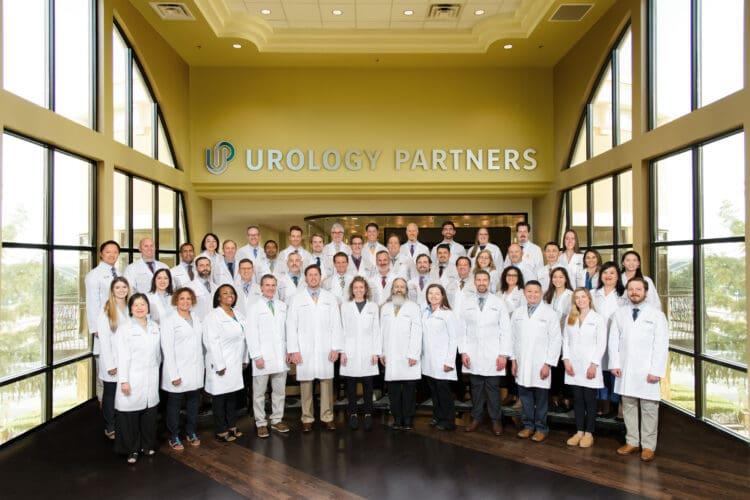
Urology Partners of North Texas provides specialized urological services for men, including evaluation and treatment of conditions affecting male reproductive health. A personalized assessment can help patients understand whether a varicocele may be contributing to pain, testicular changes, or fertility difficulties.
Conclusion
A varicocele may be harmless in some men, but it can contribute to discomfort, testicular changes, and fertility problems in others. Varicocele Repair Surgery can be an effective treatment for appropriately selected patients, particularly when symptoms or reproductive concerns are present. Because treatment is not necessary for every varicocele, a professional evaluation is essential before making a decision. Men experiencing scrotal discomfort or fertility concerns can consult Urology Partners to receive an individualized evaluation, understand their treatment options, and determine whether varicocele repair may be appropriate for their needs.
Frequently Asked Questions About Varicocele Repair Surgery
1. Is surgery necessary for every varicocele?
No. Many varicoceles do not require treatment. Surgery may be considered when the condition causes persistent pain, testicular changes, abnormal semen results, or fertility problems in an appropriately selected patient.
2. Can varicocele repair improve male fertility?
It may improve semen parameters in some men whose fertility is affected by a clinically significant varicocele. However, pregnancy is not guaranteed because fertility depends on many factors involving both partners.
3. How long does it take to recover from varicocele repair?
Recovery varies depending on the surgical technique and individual health. Many men can gradually resume normal daily activities within a short period, while strenuous exercise and heavy lifting may need to be avoided for longer according to the surgeon's instructions.
4. Does varicocele repair improve testosterone levels?
Some research suggests that repairing a varicocele may improve testosterone production in certain men, particularly when testicular function has been affected. However, testosterone improvement is not guaranteed and should be discussed with a specialist.
5. Can a varicocele come back after treatment?
Yes, recurrence is possible, although the likelihood varies depending on the treatment technique and individual circumstances. Follow-up care allows the urologist to monitor the results and address any continuing symptoms or concerns.

 Arabic
 French
 Spanish
 Portuguese
 Deutsch
 Turkish
 Dutch
Dutch
 Italiano
 Russian
 Romaian
 Portuguese (Brazil)
 Greek
Greek