


What's the Difference Between Ceremonial and Culinary Matcha?

Anyone who's shopped for Matcha has probably noticed two very different terms attached to it — "ceremonial grade" and "culinary grade" — often with a fairly noticeable price gap between them. The distinction isn't just marketing language, though; it reflects real differences in how the tea is grown, processed, and intended to be used. Pekoe, a Dubai-based tea brand that sources ceremonial and beverage-grade matcha from Kagoshima and Shizuoka in Japan, offers a good lens into how this distinction actually plays out in practice.
It Starts With How the Tea Is Grown
The difference between ceremonial and culinary matcha begins well before either one is ground into powder. Ceremonial-grade matcha comes from the youngest, most tender tea leaves, carefully shaded for weeks before harvest to boost chlorophyll content and develop a smoother, less bitter flavor. Culinary-grade matcha typically comes from slightly older leaves, harvested later in the growing cycle, which naturally produces a stronger, more robust flavor — useful in a different way, but distinct from the delicate character ceremonial matcha is known for.
Color and Texture Tell an Early Story
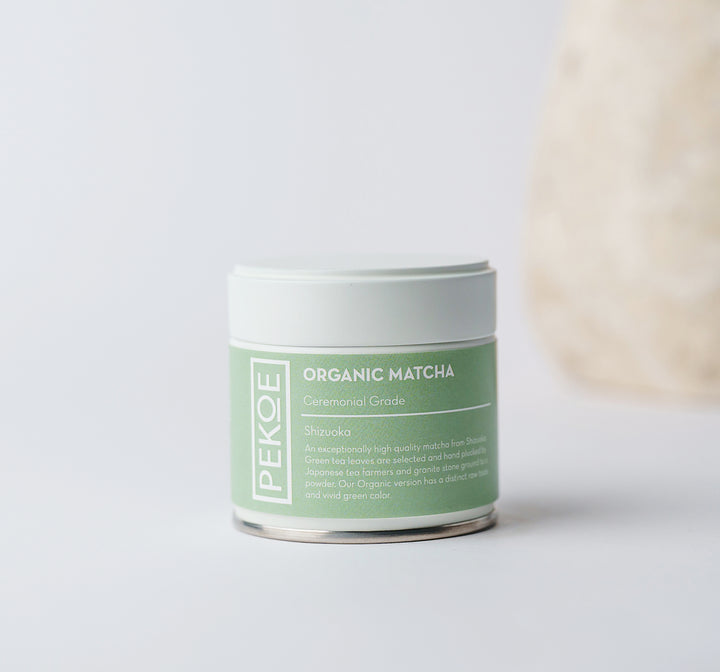
One of the easiest ways to spot the difference between the two grades is visual. Ceremonial matcha tends to have a vivid, almost luminous green color and an extremely fine, silky texture, a result of careful processing and stone-grinding. Culinary matcha often appears slightly duller or more olive in tone, with a texture that, while still fine, isn't quite as refined. This visual difference isn't just aesthetic — it's a fairly reliable indicator of the leaf quality and processing behind each grade.
Flavor Profile Determines the Right Use
Flavor is where the practical difference really matters. Ceremonial matcha is meant to be enjoyed on its own, traditionally whisked with hot water and nothing else, which is why its smoother, naturally sweeter, umami-forward flavor is so important — there's nothing else in the cup to balance out bitterness. Culinary matcha, with its stronger and slightly more bitter profile, is specifically suited to being mixed with other ingredients like milk, sweeteners, or other flavors in a latte or smoothie, where its boldness holds up rather than getting lost.
This is exactly why brands offering multiple matcha grades, as Pekoe does, typically position ceremonial matcha for traditional preparation and beverage-grade matcha for lattes, iced drinks, and culinary use — the flavor profile of each is genuinely suited to a different purpose rather than one simply being a "downgrade" of the other.
Price Reflects Production, Not Just Marketing
The price gap between ceremonial and culinary matcha often surprises new buyers, but it reflects real differences in production. Ceremonial-grade matcha requires more careful shading, earlier and more selective harvesting, and finer stone-grinding, all of which increase both time and cost. Culinary-grade matcha, while still a quality product when sourced well, doesn't require the same level of precision at every stage, which is reflected in its more accessible price point.
Choosing the Right Grade for How You'll Drink It
For anyone new to matcha, the simplest way to choose between the two grades is to think about how it will actually be prepared. Someone interested in the traditional experience — whisking matcha with hot water and drinking it straight — should lean toward ceremonial grade, where the smoother flavor is meant to shine on its own. Someone planning to build lattes, smoothies, or baked goods around matcha is usually better served by culinary or beverage-grade matcha, both for its bolder flavor and its more practical price point for everyday use.
Matcha's Place Within Japanese Tea Tradition
Both grades of matcha are rooted in the same broader Japanese Tea tradition — shade-grown cultivation, stone-ground processing, and centuries of refinement behind how the leaves are cultivated and prepared. Understanding the ceremonial-versus-culinary distinction is really an extension of understanding this wider tradition, where different preparations and grades have long served different purposes rather than one simply being superior to the other.
How Matcha Fits Alongside Other Tea Traditions
It's worth remembering that matcha sits within a much broader world of tea, one that spans everything from delicate Green Tea varieties to bold, spiced traditions like Karak tea, popular throughout the Gulf. The contrast between a smooth ceremonial matcha and a strong, milky Karak highlights just how differently tea traditions around the world approach flavor and preparation — and why understanding a specific tea's intended use, whether it's matcha or otherwise, matters just as much as understanding where it came from.
Final Thoughts
Ceremonial and culinary matcha aren't simply "premium" versus "regular" — they're two grades grown and processed with different purposes in mind. Ceremonial matcha rewards a simple, traditional preparation where its smooth, refined flavor can stand on its own, while culinary matcha is built to hold its own within lattes, smoothies, and other recipes. Knowing which one fits a given use makes the difference between a genuinely great cup of matcha and one that falls a little flat.
For more information
TikTok: mypekoe
Instagram: mypekoe
Facebook: mypekoe

 Arabic
 French
 Spanish
 Portuguese
 Deutsch
 Turkish
 Dutch
 Italiano
 Russian
 Romaian
 Portuguese (Brazil)
 Greek