


Flat Lock Metal Panels for Cladding: Materials, Benefits and Installation Guide
Choosing the right cladding system can significantly influence the appearance and performance of a building. Architects today often look for materials that offer both strong technical characteristics and a distinctive visual identity.
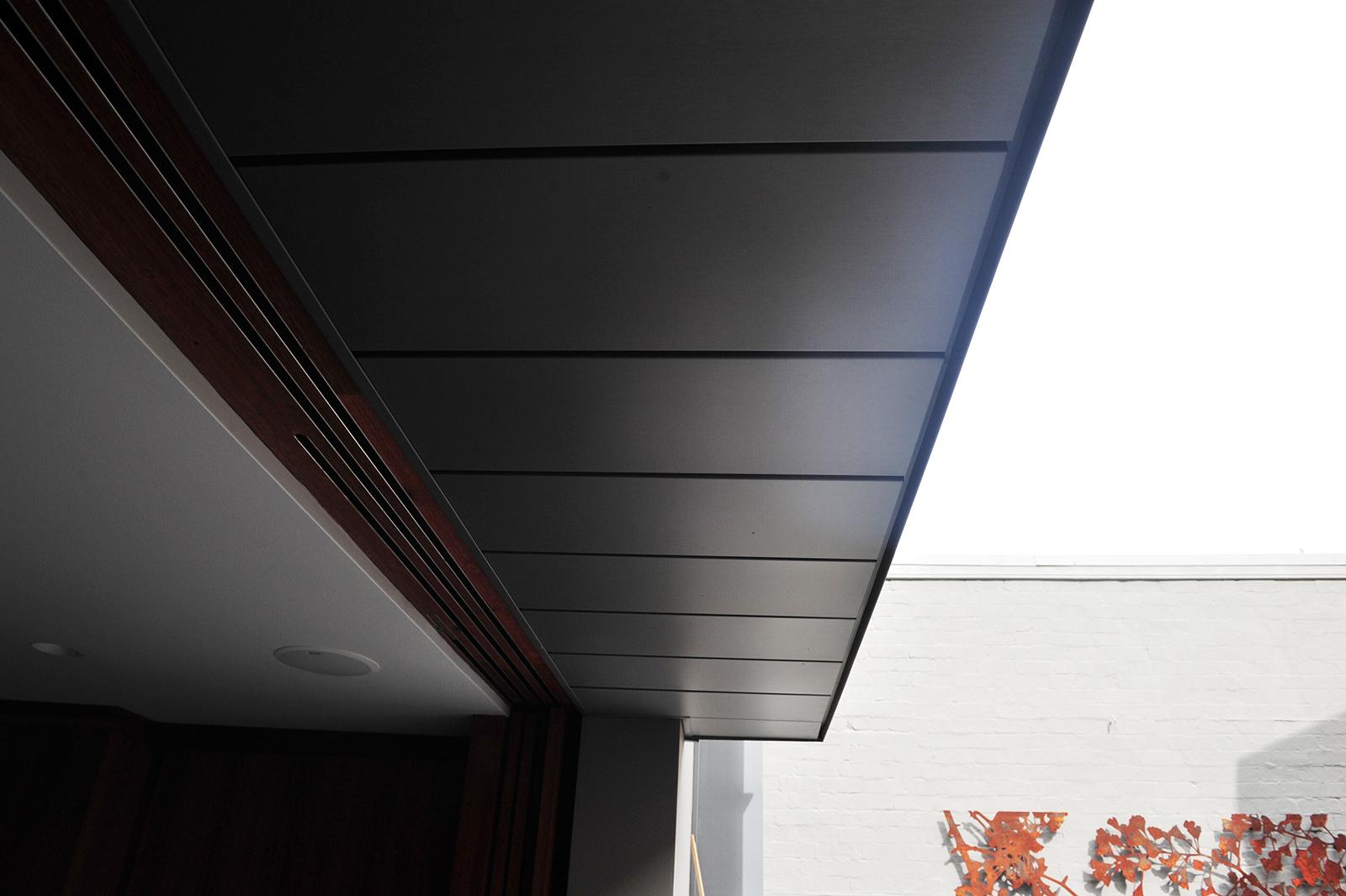
Flat lock metal panels provide a clean, contemporary option for architectural cladding. Their interlocking construction creates subtle joints across the façade, while the availability of different metals allows designers to achieve a wide range of finishes.
What Is a Flat Lock Metal Panel System?
A flat-lock system consists of factory-formed panels with interlocking folds on all four edges.
During installation, the lower edge of one panel engages with the upper edge of the panel below, while concealed clips mechanically secure the panels to the supporting structure.
This construction produces a relatively smooth façade with recessed or negative details between panels.
The system can be used for architectural wall cladding and soffits, making it suitable for a variety of contemporary projects.
The Architectural Benefits of Flat Lock Cladding
1. Minimalist Appearance
Flat-lock panels create a smooth visual surface rather than the pronounced ridges found in many profiled metal sheets.
The resulting appearance works well with minimalist and contemporary architectural styles.
2. Strong Design Flexibility
Panel direction can contribute to the overall appearance of a building.
Depending on the selected material, flat-lock panels can be installed horizontally, vertically or diagonally. Some material options can also accommodate curved applications.
This gives architects greater freedom when developing façade patterns.
3. Concealed Fixings
Visible fasteners can interrupt the appearance of a carefully designed façade.
Flat-lock systems use concealed clips beneath the panel edges, helping maintain a cleaner external appearance.
4. Different Metal Choices
One of the strongest advantages of flat-lock cladding is the range of materials available.
Roofing Group lists:
VMZINC: Suitable for projects seeking the natural appearance and patination characteristics of zinc.
Copper: Offers a distinctive appearance that changes naturally as the material weathers.
Aluminium: Provides a lightweight option with a pre-painted PVDF finish.
COLORBOND®: Offers architectural colour choices and is manufactured in Australia to relevant standards.
Corten: Provides a weathered, rust-like architectural appearance.
Stainless steel: Provides another metal option for architectural applications.
Flat Lock Panel Sizes
Panel dimensions can be selected according to the material and project requirements.
Roofing Group's published specifications list standard panel widths and material-specific ranges. For example, the general Flat-lock Panel information states standard widths of 330 mm for aluminium or COLORBOND® and 430 mm for zinc, while its technical specifications provide broader panel-width ranges depending on the material.
Wider panels may also introduce aesthetic considerations such as oil-canning, so panel dimensions should be considered carefully during design.
Understanding Oil-Canning
Oil-canning refers to visible waviness that can occur in metal roofing and cladding panels.
Roofing Group notes that the degree of oil-canning can vary according to factors including panel length and colour, alloy, gauge, substrate condition and exposure to sunlight. The company describes oil-canning as an aesthetic characteristic rather than a performance issue.
For this reason, architects and builders should consider the selected metal, panel dimensions, substrate and project conditions when developing a flat-lock specification.
How Flat Lock Panels Are Installed
Correct installation is essential to achieving the intended appearance and performance of a flat-lock system.
The general installation process involves:
-
Preparing the supporting structure.
-
Installing the required substrate.
-
Applying a suitable waterproofing membrane.
-
Positioning the panels according to the specified layout.
-
Installing concealed clips beneath the panel edges.
-
Interlocking adjacent panels.
-
Completing flashings and finishing details.
-
Checking the completed installation.
Roofing Group's technical specifications state that wall structures should use continuous wall top hats or studs at maximum 600 mm spacing and specify a minimum 15 mm plywood substrate, or suitable Trimdek/Spandek sheets where a non-combustible build-up is required.
The exact construction build-up should always be determined according to the project design and applicable requirements.
Why Substrate and Ventilation Matter
A flat-lock system is not simply a layer of decorative metal placed over a wall.
The supporting build-up is an important part of the system.
Roofing Group specifies a breathable waterproofing membrane over the substrate. For VMZINC installations, its specifications require a continuous 20 mm air gap beneath the plywood substrate for ventilation.
These details demonstrate why architectural metal cladding should be designed as a complete system rather than treated as an isolated façade finish.
Flat Lock Panels vs Traditional Metal Profiles
Traditional profiled metal sheets can provide strong functional performance, but their pronounced profiles may not suit every architectural design.
Flat-lock panels offer a different aesthetic:
| Feature | Flat Lock Panels | Traditional Profiled Sheets |
|---|---|---|
| Surface appearance | Smooth with recessed joints | Ribbed or corrugated |
| Fixings | Concealed | Often visible |
| Design flexibility | High | Profile-dependent |
| Panel direction | Multiple options depending on material | Depends on profile |
| Materials | Multiple architectural metals | Depends on product |
| Architectural style | Contemporary/minimalist | Functional/traditional |
The best choice depends on the building design, budget, performance requirements and desired appearance.
Where Can Flat Lock Panels Be Used?
Flat-lock systems can be considered for a variety of architectural applications, including:
-
Residential façades
-
Commercial buildings
-
Contemporary homes
-
Architectural wall cladding
-
Soffits
-
Feature façades
-
Renovation projects
-
Modern extensions
Their clean appearance makes them particularly useful when the external building envelope is intended to be a strong architectural feature.
Choosing a Flat Lock Panel Supplier
When selecting a supplier or installer, don't focus only on the visible finish.
Consider whether the company can assist with:
-
Material selection
-
Panel sizing
-
Technical detailing
-
Substrate requirements
-
Waterproofing
-
Flashings
-
Concealed fixing systems
-
Installation guidance
-
Architectural coordination
Roofing Group states that it works closely with architects during design stages and provides expertise relating to installation and technical details for architectural roofing and cladding systems.
Explore Flat Lock Panels From Roofing Group
Roofing Group Flat-lock Panel System provides flat-lock systems designed for architectural cladding and soffit applications. The product range includes zinc, copper, aluminium, COLORBOND®, Corten and stainless steel options.
The company also provides technical information covering panel dimensions, installation, substrate requirements, fixings and ventilation.
Final Thoughts
Flat lock metal panels provide architects and builders with a flexible way to create clean, modern façades.
Their interlocking four-sided design, concealed fixing system, multiple material options and range of installation directions make them suitable for projects where architectural appearance is just as important as practical construction requirements.
For the best result, flat-lock cladding should be considered as a complete system that includes the panel material, substrate, waterproofing, ventilation, fixings and finishing details.
With appropriate specification and professional installation, flat-lock panels can deliver a distinctive architectural finish for contemporary Australian buildings.

 English
 Arabic
 French
 Spanish
 Portuguese
 Deutsch
 Turkish
 Italiano
 Russian
 Romaian
 Portuguese (Brazil)
 Greek
Greek