


Property Inspection Dubai: A Step-by-Step Guide from Inspection to Report
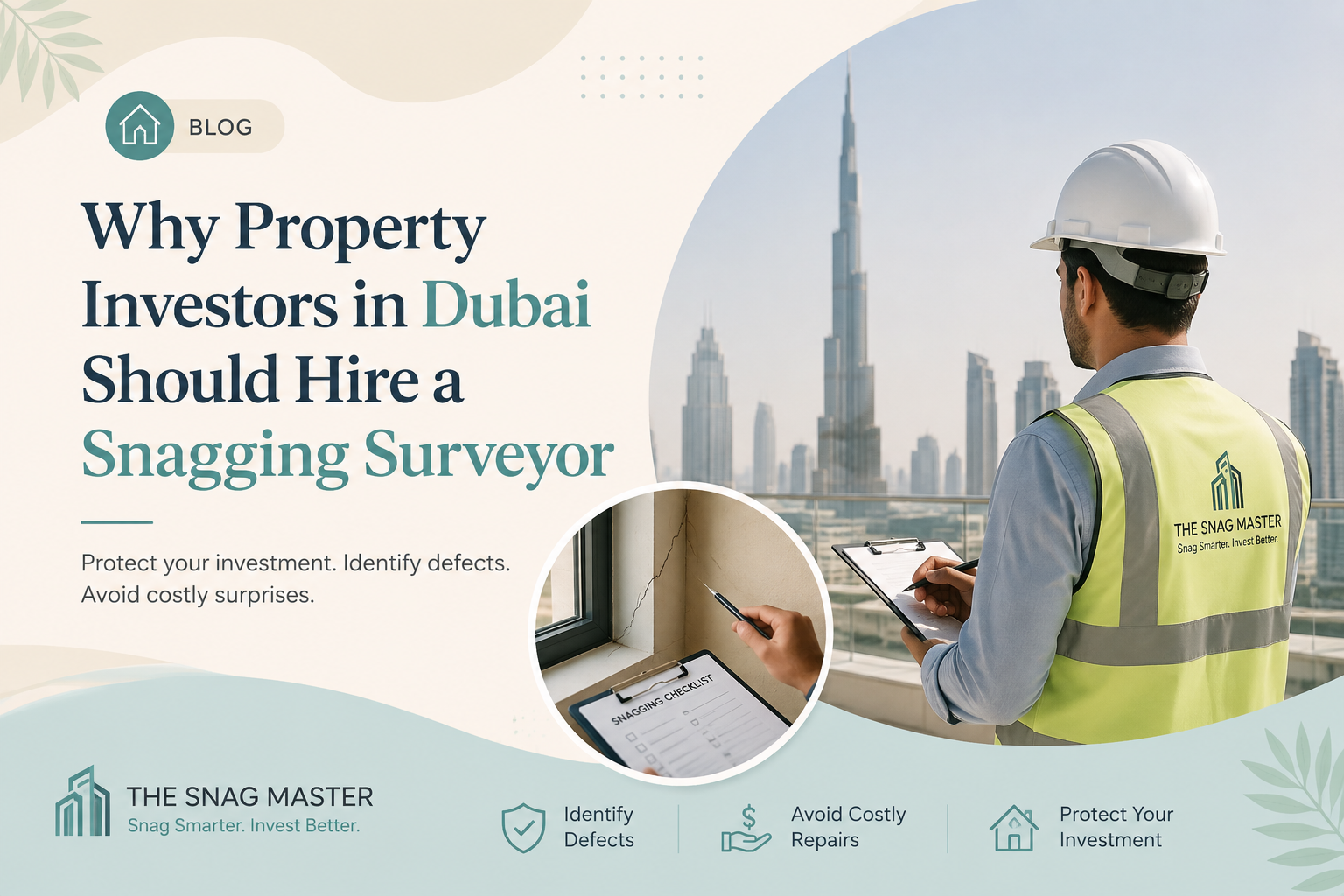
Buying or taking possession of a property in Dubai is a major investment. Whether you are purchasing an apartment, villa, or commercial space, identifying defects before they become expensive problems is essential. A professional property inspection can help you understand the actual condition of your property and ensure that issues are documented properly.
This guide explains the complete property inspection process in Dubai, from the initial inspection to receiving the final report.
What Is a Property Inspection in Dubai?
A property inspection is a detailed assessment of a property's visible and accessible components. The inspection may cover areas such as walls, ceilings, floors, doors, windows, plumbing, electrical systems, air conditioning, kitchens, bathrooms, and other important elements.
For new properties, an inspection is particularly useful before handover. It allows buyers to identify defects that may need to be corrected by the developer or contractor.
For commercial properties, including offices, a professional office inspection Dubai service can help identify maintenance, finishing, electrical, plumbing, and other building-related issues before occupation.
Step 1: Schedule the Property Inspection
The process begins by arranging an inspection at a suitable date and time. Before the inspection, the inspector may collect important information about the property, such as:
-
Property type
-
Location
-
Unit or villa details
-
Property size
-
New or existing property
-
Handover status
-
Areas that require particular attention
Providing relevant property information in advance can help the inspector prepare for the inspection.
Step 2: Conduct a Visual Inspection
During the inspection, the inspector systematically examines the property for visible defects and signs of poor workmanship.
Common areas checked may include:
Walls and Ceilings
Inspectors look for cracks, uneven finishes, stains, dampness, paint defects, and other visible problems.
Floors
Tiles, flooring finishes, skirting, grout, and other accessible areas are checked for cracks, uneven surfaces, damage, or installation issues.
Doors and Windows
Doors and windows may be examined for alignment, operation, locks, handles, seals, frames, and visible damage.
Bathrooms and Kitchens
Bathrooms and kitchens are important inspection areas because they contain multiple plumbing fixtures and fittings. Inspectors may check taps, sinks, toilets, showers, cabinets, countertops, tiles, and visible pipework.
Electrical Components
Accessible electrical fixtures, sockets, switches, lighting points, and other components may be assessed for visible defects and basic functionality where appropriate.
Air Conditioning
Dubai's climate makes air conditioning particularly important. The inspection can include accessible AC components and checks for visible issues or performance concerns.
Step 3: Identify and Document Defects
Finding a defect is only part of the inspection process. Proper documentation is equally important.
A professional inspector records issues with descriptions and supporting photographs where appropriate. Defects can include:
-
Cracks
-
Water leakage
-
Damaged tiles
-
Poor paintwork
-
Misaligned doors
-
Faulty fittings
-
Uneven flooring
-
Plumbing concerns
-
Electrical issues
-
AC-related concerns
-
Poor finishing
A systematic approach makes it easier for the property owner to understand what needs attention.
Step 4: Prioritize the Issues
Not every defect has the same level of importance. Some issues may be cosmetic, while others could potentially affect functionality or cause further damage if left unresolved.
A professional inspection report can help property owners distinguish between minor finishing issues and more significant concerns.
For new developments, this information can be especially useful when submitting a snagging list to the developer before handover.
Step 5: Prepare the Inspection Report
After completing the inspection, the findings are compiled into a detailed report.
Depending on the inspection service, the report may include:
-
Defect descriptions
-
Photographs
-
Location of each defect
-
Recommendations
-
Areas inspected
-
Important observations
-
Suggested corrective actions
A clear report gives the property owner a structured record of the property's condition.
Step 6: Review the Report
Once you receive the report, review each item carefully. Pay particular attention to defects that could affect safety, functionality, water resistance, structural condition, or long-term maintenance.
If you are preparing for property handover, the report can help you communicate identified issues to the developer or contractor.
Step 7: Arrange Necessary Corrections
After the defects have been reported, the relevant party can be asked to address them.
For a newly constructed property, this may involve the developer or contractor. For an older property, repairs may need to be arranged with the owner, landlord, contractor, or maintenance provider.
After major corrections are completed, a follow-up inspection can be useful to confirm whether the reported issues have been addressed.
Why Hire a Professional Snagging Company Dubai?
A professional snagging company Dubai can provide a systematic approach to identifying and documenting property defects.
Instead of relying only on a quick personal walkthrough, professional inspectors use their experience to examine multiple areas of a property and identify issues that may be easy for an untrained eye to overlook.
This can be particularly valuable for buyers purchasing new apartments, villas, or investment properties.
The Role of a Snagging Surveyor Dubai
A qualified snagging surveyor Dubai can inspect the property and provide an objective assessment of visible and accessible defects.
A surveyor can help identify problems related to workmanship, finishes, fittings, plumbing, electrical components, doors, windows, and other areas within the scope of the inspection.
Having a professional inspection before handover gives buyers a documented understanding of issues that may require attention.
Property Inspection for Offices in Dubai
Residential properties are not the only spaces that require professional inspection. Commercial properties can also benefit from detailed inspections.
An office inspection Dubai can focus on areas such as:
-
Office flooring and ceilings
-
Walls and partitions
-
Doors and windows
-
Electrical fixtures
-
Lighting
-
Air conditioning
-
Plumbing facilities
-
Washrooms
-
Kitchen or pantry areas
-
Visible finishing defects
Inspecting an office before moving in can help businesses identify problems early and avoid unexpected maintenance concerns after occupation.
When Should You Book a Property Inspection in Dubai?
The ideal time depends on the property and your situation. However, inspections are commonly useful:
-
Before purchasing a property
-
Before accepting a new-property handover
-
Before moving into a villa or apartment
-
Before leasing a commercial property
-
Before occupying an office
-
After renovation or major construction
-
Before selling a property
-
When investigating suspected defects
For new properties, arranging an inspection before final handover can be particularly beneficial because defects can be documented and communicated before you fully take possession.
Final Thoughts
A professional property inspection Dubai process is more than simply walking around a property and looking for visible problems. It involves systematic checking, documenting defects, preparing a detailed report, and helping the property owner understand which issues require attention.
Whether you are buying a home, preparing for handover, investing in real estate, or moving into a commercial office, professional inspection services can give you greater confidence in your property decision.
Working with an experienced snagging company Dubai or snagging surveyor Dubai can help ensure that potential defects are identified and properly documented, while specialized office inspection Dubai services can help businesses assess commercial spaces before occupation.

 Arabic
 French
 Spanish
 Portuguese
 Deutsch
 Turkish
 Dutch
Dutch
 Italiano
 Russian
 Romaian
 Portuguese (Brazil)
 Greek
Greek