


What Does a Property Inspection Dubai Include?
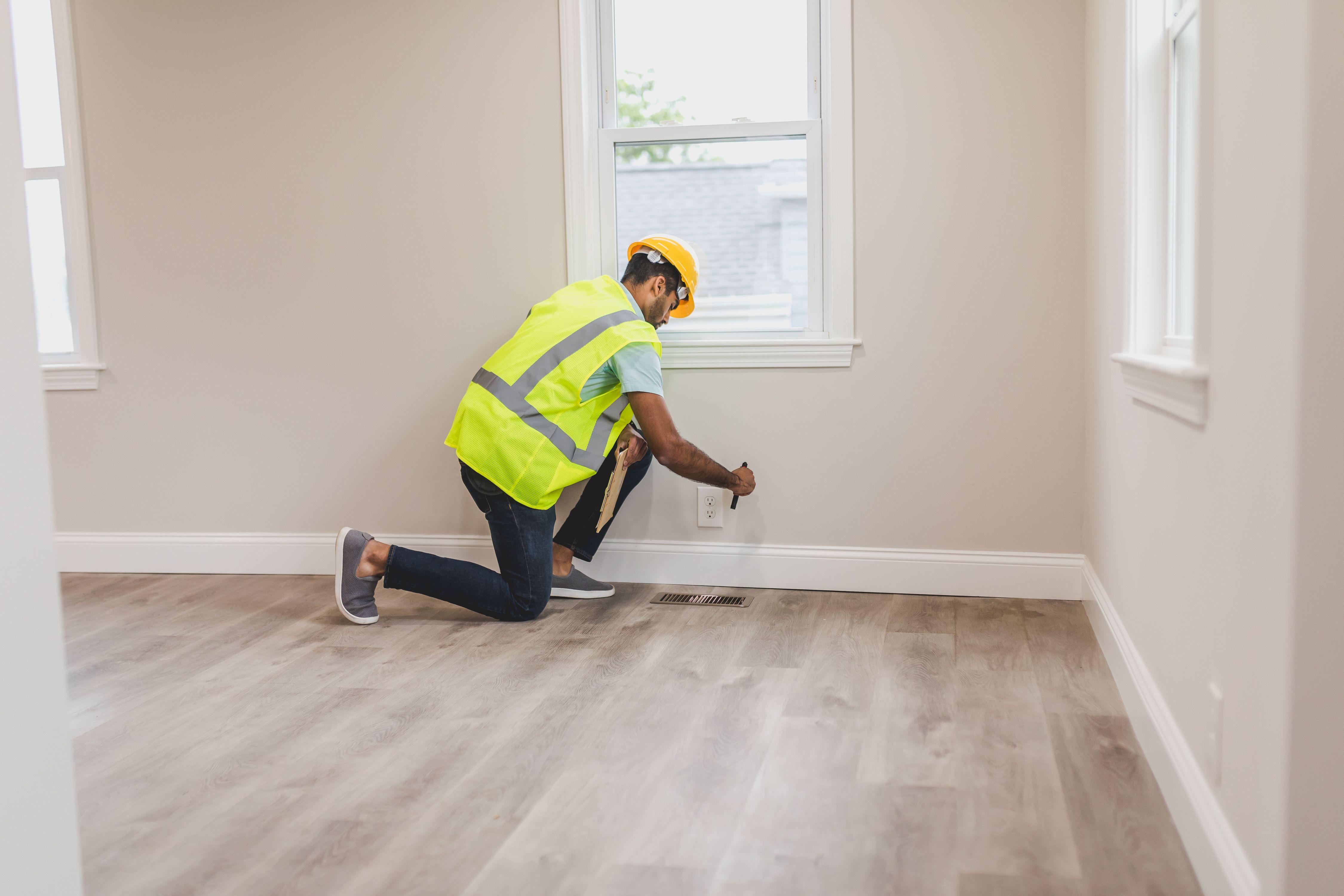
Buying or taking possession of a property in Dubai is a significant investment. Whether you are purchasing a new apartment, villa, townhouse, or commercial property, it is important to understand its actual condition before completing the handover or moving in.
A professional property inspection Dubai service provides a detailed assessment of the property's accessible areas and components. It can identify visible defects, poor workmanship, installation problems, and maintenance concerns that may otherwise be overlooked.
What Is a Property Inspection in Dubai?
A property inspection is a systematic examination of a property to identify defects and potential issues. The inspection generally covers the construction, finishes, fixtures, fittings, and accessible building systems.
For new properties, inspections are often carried out before handover so that defects can be documented and reported to the developer.
For resale properties, an inspection can help buyers understand the property's current condition before making a major investment.
What Does a Property Inspection Dubai Include?
A comprehensive inspection can cover several important areas of a property.
1. Walls and Ceilings
Walls and ceilings are checked for visible defects such as:
-
Cracks
-
Uneven surfaces
-
Paint defects
-
Stains
-
Dampness or signs of moisture
-
Poor plastering
-
Gaps around fittings
These issues can indicate anything from simple finishing problems to concerns that may require further investigation.
2. Flooring and Tiling
Floors are examined for:
-
Cracked or damaged tiles
-
Uneven flooring
-
Hollow-sounding tiles
-
Poor grout application
-
Scratches or chips
-
Inconsistent finishes
-
Damaged skirting
Good flooring installation is important for both appearance and long-term durability.
3. Doors and Windows
Doors and windows are important functional components of a property. During an inspection, accessible doors and windows may be checked for:
-
Alignment
-
Opening and closing
-
Locks and handles
-
Frame condition
-
Glass damage
-
Sealant
-
Visible gaps
-
Installation defects
Problems with doors and windows can affect security, insulation, comfort, and overall usability.
4. Plumbing and Water Fixtures
Bathrooms, kitchens, utility areas, and other accessible plumbing points can be inspected for visible problems.
The inspection may include checking:
-
Taps
-
Sinks
-
Toilets
-
Showers
-
Drains
-
Water pressure where practical
-
Visible pipework
-
Leaks
-
Sealant
-
Drainage
Water-related problems should be identified as early as possible because unnoticed leaks can lead to significant damage.
5. Electrical Fixtures
Accessible electrical components can also form part of a property inspection.
Depending on the scope of the inspection, this may include:
-
Switches
-
Power sockets
-
Light fixtures
-
Electrical panels
-
Visible wiring
-
Other accessible electrical points
The purpose is to identify visible defects and basic functional issues. Any serious electrical concern should be assessed by an appropriately qualified electrical professional.
6. Air Conditioning and Ventilation
Air conditioning is particularly important in Dubai due to the region's hot climate.
An inspection may assess accessible AC components and look for concerns such as:
-
Poor cooling performance
-
Unusual noises
-
Visible leaks
-
Damaged vents
-
Poor installation
-
Blocked or damaged components
The exact checks depend on the property and inspection scope.
7. Kitchen Inspection
The kitchen contains multiple fixtures and appliances that should be checked before handover.
An inspection may cover:
-
Cabinets
-
Drawers
-
Countertops
-
Sinks
-
Taps
-
Tiles
-
Sealant
-
Electrical points
-
Plumbing connections
-
Built-in appliances where included in the inspection scope
Inspectors also look for visible finishing and installation defects.
8. Bathroom Inspection
Bathrooms require particular attention because they combine plumbing, waterproofing, tiling, fixtures, and electrical elements.
A property inspection may check:
-
Toilets
-
Basins
-
Showers
-
Bathtubs
-
Taps
-
Floor and wall tiles
-
Grout
-
Drainage
-
Sealant
-
Cabinets
-
Mirrors
-
Ventilation
Any signs of water leakage, poor drainage, damaged fixtures, or incomplete finishing should be documented.
9. Balcony and Outdoor Areas
Where applicable, balconies, terraces, gardens, and other accessible outdoor areas can also be inspected.
The inspector may look at:
-
Flooring
-
Tiles
-
Railings
-
Doors
-
Drainage
-
External finishes
-
Visible cracks
-
Water accumulation
-
General workmanship
Outdoor drainage is particularly important because standing water can contribute to deterioration and moisture-related problems.
10. Built-In Fixtures and Fittings
Property inspections can also include built-in elements such as wardrobes, cabinets, shelves, handles, and other fixtures.
Inspectors may check whether these components are properly installed, aligned, secure, and functioning as intended.
11. Common Defects Identified During Inspection
A professional inspection may uncover a wide range of issues, including:
-
Cracked tiles
-
Damaged paint
-
Wall and ceiling cracks
-
Water leakage
-
Poor sealant
-
Misaligned doors
-
Faulty handles and locks
-
Uneven flooring
-
Poor grouting
-
Plumbing problems
-
Damaged fixtures
-
Electrical concerns
-
AC issues
-
Incomplete finishing
Not every defect will have the same level of importance, so issues should be properly documented and prioritized.
Does Property Inspection Include Structural Inspection?
A standard property inspection primarily focuses on accessible and observable conditions. It should not automatically be considered a full structural engineering assessment.
If an inspector notices signs such as significant cracking, movement, or other potentially serious structural concerns, further evaluation by a qualified structural engineer may be recommended.
Understanding the inspection's scope before booking is therefore important.
Property Inspection vs. Snagging Inspection
Although the terms are sometimes used interchangeably, they can have different purposes.
A property inspection may be performed on an existing or newly purchased property to assess its overall condition.
A snagging inspection is commonly associated with newly constructed properties and focuses on identifying defects, incomplete work, and poor finishing before or around handover.
Both can help property owners make informed decisions, but the appropriate service depends on the property and your specific requirements.
Why Is Property Inspection Important in Dubai?
A property can look perfect during a quick viewing while still having small defects or installation issues.
A detailed inspection can help you:
-
Identify defects before handover
-
Document problems with photographs
-
Create a clear snagging list
-
Communicate issues to the developer or contractor
-
Understand potential maintenance concerns
-
Make more informed property decisions
-
Reduce the risk of unexpected repair costs
For buyers and investors, this additional level of assessment can provide valuable peace of mind.
When Should You Arrange a Property Inspection?
You can consider arranging a professional inspection:
-
Before buying a property
-
Before taking handover of a new property
-
Before moving into a villa or apartment
-
Before purchasing a resale property
-
After major renovations
-
Before leasing a commercial property
-
When significant defects are suspected
For newly constructed properties, an inspection before handover can be especially useful because identified defects can be documented and communicated to the relevant party.
Choosing a Property Inspection Professional
When choosing a property inspection provider in Dubai, consider their experience, inspection scope, reporting process, and understanding of different property types.
Ask what areas are included in the inspection and whether the final report contains photographs, defect descriptions, and recommendations.
A clear and detailed report is valuable because it provides a documented record that can be used when discussing defects with developers, contractors, sellers, or landlords.
Final Thoughts
A professional property inspection Dubai service can cover many areas, including walls, ceilings, flooring, doors, windows, plumbing, electrical fixtures, air conditioning, kitchens, bathrooms, balconies, and built-in fittings.
The goal is not simply to find problems but to identify, document, and communicate them clearly so that property owners can make informed decisions.
Whether you are buying a new apartment, preparing for handover, purchasing a villa, or moving into a commercial property, a thorough inspection can be an important step toward protecting your investment.

 Arabic
 French
 Spanish
 Portuguese
 Deutsch
 Turkish
 Dutch
Dutch
 Italiano
 Russian
 Romaian
 Portuguese (Brazil)
 Greek
Greek