


Understanding Psychedelic Mushrooms: Types, Effects, and Legality
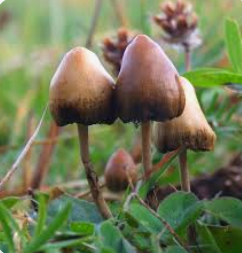
Psychedelic mushrooms have moved from the fringes of counterculture into mainstream conversation over the past few years. Once associated almost exclusively with 1960s subculture, they're now the subject of clinical trials, state ballot measures, and a growing wellness industry. Whether you've encountered the term through news coverage of therapy programs or through curiosity about their effects, this guide breaks down what psychedelic mushrooms actually are, the different types that exist, how they affect the body and mind, and where they currently stand from a legal perspective.
What Are Psychedelic Mushrooms?
Psychedelic mushrooms, commonly called "magic mushrooms" or "shrooms," are a group of fungi that contain naturally occurring psychoactive compounds — most notably psilocybin and psilocin. When consumed, these compounds interact with serotonin receptors in the brain, producing altered perception, mood changes, and shifts in thinking that can range from mild to intense depending on the dose, the individual, and the setting.
Unlike synthetic drugs, psychedelic mushrooms grow wild across many parts of the world and have been used in cultural and spiritual practices for centuries, particularly in Mesoamerican traditions. Today, they're studied by researchers, discussed by mental health professionals, and sold in various forms — including gummies and chocolate bars — in the limited number of places where such products are legally permitted.
The Main Types of Psychedelic Mushrooms
There isn't just one type of magic mushroom. In fact, over 200 species of fungi are known to contain psilocybin. Here are the most commonly discussed varieties:
1. Psilocybe cubensis
This is the most widely known and most commonly cultivated species of psychedelic mushrooms. It's relatively easy to grow, which is why it dominates both underground cultivation and, in legal markets like Oregon's, licensed production. Cubensis strains vary widely, with names like Golden Teacher and Penis Envy circulating in enthusiast communities.
2. Psilocybe semilanceata
Often called the "Liberty Cap," this species grows wild in grassy fields across Europe and parts of North America. It's smaller than cubensis but can contain a comparable or higher concentration of psilocybin.
3. Psilocybe azurescens
Known for being one of the most potent psilocybin-containing species, azurescens grows primarily along the Pacific Northwest coast of the United States.
4. Psilocybe cyanescens
Nicknamed "Wavy Caps" for their distinctive wavy cap shape, these mushrooms are found in wood-chip mulch and forested areas, primarily in temperate climates.
It's worth noting that misidentifying wild mushrooms is genuinely dangerous — some toxic and even deadly species closely resemble psilocybin-containing varieties. Foraging without expert guidance carries real risk.
How Psychedelic Mushrooms Affect the Body and Mind
The effects of psychedelic mushrooms stem primarily from psilocybin, which the body converts into psilocin after ingestion. Psilocin binds to serotonin 2A receptors in the brain, which is thought to be responsible for the characteristic perceptual and cognitive changes users report.
Commonly reported effects include:
● Altered visual perception — colors appearing more vivid, patterns seeming to move or breathe
● Changes in sense of time — minutes can feel like hours or vice versa
● Emotional shifts — ranging from euphoria and connectedness to introspection or, in some cases, anxiety
● Altered thought patterns — many users describe a sense of novel insight or a shift in perspective on personal issues
Effects generally begin within 20 to 40 minutes of ingestion and can last several hours, though this varies based on dose, mushroom potency, and individual physiology. Not every experience is positive — factors like mindset, environment, and dosage strongly influence outcomes, and some people experience disorientation, confusion, or intense anxiety, sometimes referred to as a "bad trip."
Because individual reactions vary so much, and because interactions with medications or underlying health conditions can matter, this is an area where general education is useful, but personalized guidance from a healthcare provider is more valuable than anything found online.
Growing Interest in Clinical Research
A major reason psychedelic mushrooms have re-entered public conversation is the resurgence of clinical research into psilocybin. Universities and research institutions have been studying its potential role in treating conditions like treatment-resistant depression, anxiety related to terminal illness, and substance use disorders. Some late-stage clinical trials are underway, though as of now, no psilocybin-based treatment has received full FDA approval in the United States. This research has been a driving force behind the state-level legal changes discussed below.
The Legal Landscape: It's Complicated
Legality is where things get genuinely confusing, because psychedelic mushrooms are regulated differently depending on whether you're looking at federal law, state law, or local policy — and the landscape is shifting quickly.
Federal law: Psilocybin remains classified as a Schedule I controlled substance under the federal Controlled Substances Act. This classification applies nationwide regardless of any state-level reform, meaning federal law still treats psilocybin as illegal even in states that have changed their own rules.
States with regulated frameworks:
● Oregon was the first state to establish a licensed system, allowing adults 21 and older to access supervised psilocybin services through state-licensed service centers.
● Colorado decriminalized personal possession, use, and non-commercial sharing of psilocybin for adults 21 and older, while also building out a licensed, facilitator-supervised healing-center model. Commercial retail sale remains prohibited.
● New Mexico passed a Medical Psilocybin Act creating a physician-supervised access framework, though full implementation has been a gradual, ongoing process.
States with active legislative movement: A number of states — including Massachusetts, Connecticut, and others — have seen legislative proposals, pilot programs, or expanded research initiatives related to psychedelic-assisted therapy. However, having a bill under discussion is very different from having a legal, regulated market, so it's important not to assume research programs equal general legality.
States where mushrooms remain illegal: In the majority of U.S. states — including Arizona and most others not listed above — psilocybin mushrooms remain fully illegal under state law, with penalties that can range from fines to felony charges depending on the jurisdiction and quantity involved. Some cities have adopted local "lowest law enforcement priority" policies, but these do not change the underlying state or federal law, and enforcement approaches can vary by jurisdiction and change over time.
Products like gummies and chocolate bars: Even in states with some form of legal psilocybin access, that access is typically limited to supervised, licensed settings rather than open retail. Psilocybin-infused edibles sold online or through unlicensed vendors exist in a legal gray area at best, and buyers should be cautious, since product potency, purity, and legality can't be verified the way they can with a state-licensed product.
Key Takeaways
Psychedelic mushrooms occupy a fascinating and rapidly evolving space — part of ongoing scientific research, part of cultural history, and part of a patchwork legal system that varies dramatically depending on where you live. If you're researching this topic:
- Understand that federal illegality applies everywhere in the U.S., regardless of state law.
- Recognize that legal frameworks like Oregon's and Colorado's involve supervised, licensed access rather than casual retail purchase.
- Check your specific state and local laws before assuming any product or activity is permitted, since this area of law changes frequently.
- If you're interested in psilocybin for mental health reasons, a conversation with a licensed healthcare provider is a safer and more informed starting point than self-directed use.
As research continues and more states weigh legislative changes, the conversation around psychedelic mushrooms is likely to keep evolving — making it worth staying updated rather than relying on outdated assumptions.

 Arabic
 French
 Spanish
 Portuguese
 Deutsch
 Turkish
 Dutch
Dutch
 Italiano
 Russian
 Romaian
 Portuguese (Brazil)
 Greek
Greek