


Do You Need to Fast Before a Blood Test? A Complete Guide
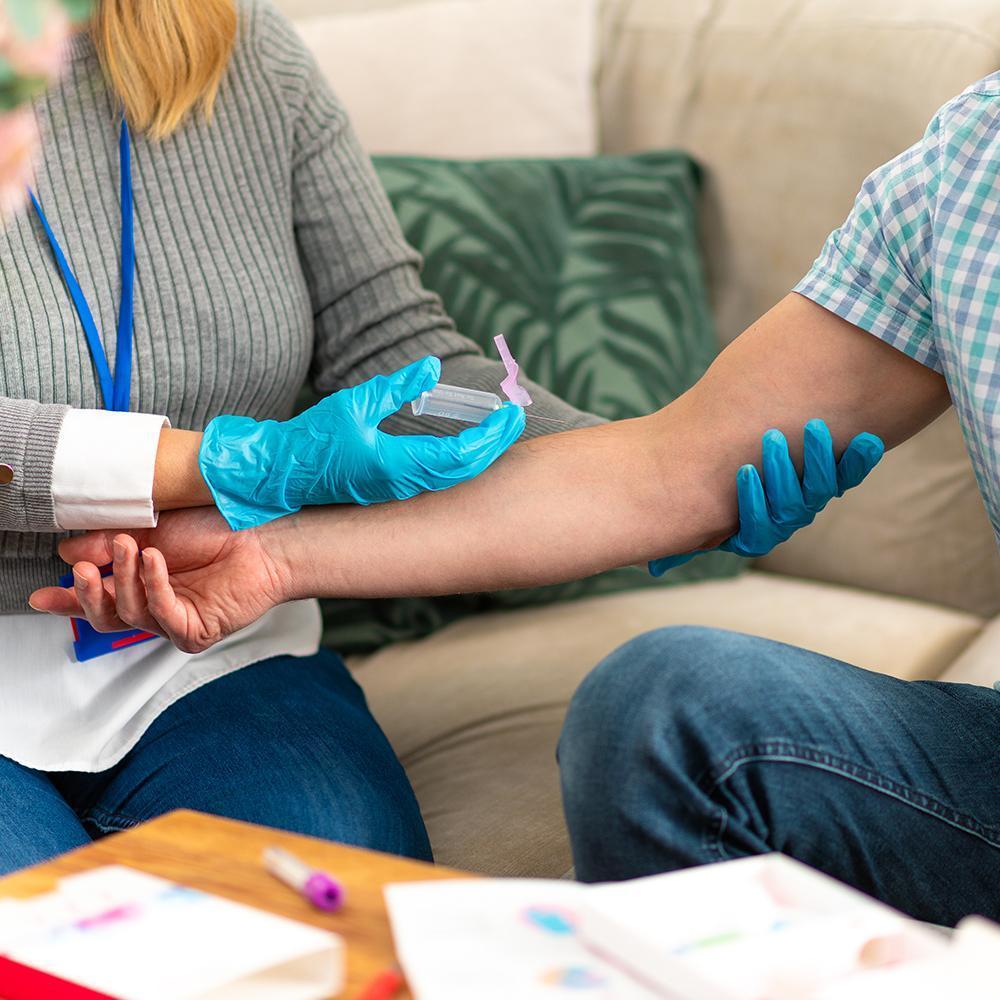
If your doctor has ordered a blood test, you may be wondering whether you need to avoid food beforehand. This is one of the most common questions people have before laboratory testing.
The short answer is: sometimes, but not always.
Some Blood test in Dubai are affected by recent food or drink and may require fasting. Others can be performed normally without changing your eating habits. The preparation you need depends on the specific tests ordered and the instructions provided by your healthcare professional or laboratory.
Understanding when fasting is necessary, what you can drink, whether medications are allowed, and what to do if you accidentally eat can help you prepare correctly and avoid unnecessary stress.
Why Do Some Blood Tests Require Fasting?
Eating and drinking can temporarily change the concentration of certain substances in your bloodstream.
For example, a meal can affect blood glucose and triglyceride levels. If a particular laboratory test is intended to measure these substances under standardized conditions, your healthcare provider may ask you to fast beforehand.
Fasting helps reduce the influence of recent food intake on certain measurements, making the results easier to interpret.
However, fasting is not automatically required for every blood test. Many common laboratory tests can be performed without it.
Which Blood Tests May Require Fasting?
The need for fasting depends on the individual test and the purpose of testing.
Blood Glucose Testing:
Some glucose tests may require fasting, particularly when your healthcare provider wants to measure fasting blood glucose.
A fasting glucose measurement evaluates blood sugar after you have gone without food for the specified period.
Other glucose tests, including some random glucose measurements, do not require fasting.
Cholesterol and Lipid Testing:
A lipid panel measures substances such as total cholesterol, LDL cholesterol, HDL cholesterol, and triglycerides.
Whether fasting is needed depends on the type of testing and the clinical reason for the test. In many situations, a nonfasting lipid test can provide useful information, while fasting may be requested in specific circumstances.
Follow the instructions attached to your particular laboratory order rather than assuming that all cholesterol tests require fasting.
Triglyceride Testing:
Triglycerides can rise after eating, which is one reason fasting may sometimes be recommended when triglyceride levels need to be assessed under specific conditions.
Your healthcare provider will determine whether fasting is appropriate.
Which Blood Tests Usually Do Not Require Fasting?
Many routine blood tests can be performed without fasting.
A complete blood count, for example, generally does not require you to avoid food beforehand.
Tests that evaluate certain hormones, blood cell counts, or other markers may also be performed without fasting, although individual instructions can vary.
This is why it is important to know exactly which tests are being performed rather than treating every blood draw as a fasting blood test.
How Long Do You Need to Fast?
There is no universal fasting duration for every blood test.
If fasting is required, your healthcare provider or laboratory should tell you how long you need to avoid food. Follow that instruction exactly.
Do not choose a fasting period based on information from another person's laboratory test because preparation requirements can differ.
If your instructions are unclear, contact the laboratory or healthcare provider before your appointment.
Can You Drink Water While Fasting?
In many cases, plain water is allowed during a fasting period, and staying hydrated can make the blood draw easier.
However, specific instructions may vary depending on the tests being performed.
If you have been told to fast, ask whether plain water is permitted and whether there are any restrictions on the amount you can drink.
People who have fluid restrictions because of a medical condition should follow their healthcare professional's instructions rather than general fasting advice.
What About Coffee During a Fasting Blood Test?
If you have been instructed to fast, do not automatically assume that black coffee is acceptable.
Coffee contains substances that may influence certain physiological measurements, and additions such as milk, cream, sugar, or flavored syrups obviously introduce additional components.
Unless your healthcare provider or laboratory specifically says coffee is allowed, plain water is the safer choice during a fasting period.
Can You Drink Tea or Juice?
Tea, juice, soft drinks, energy drinks, milk, and other beverages may interfere with fasting requirements for certain tests.
Juice and sweetened drinks contain carbohydrates and can affect blood glucose measurements. Milk and other calorie-containing beverages also break a strict fast.
If your instructions specify fasting, ask exactly which beverages are permitted.
Can You Take Your Medications Before a Blood Test?
Medication instructions require special attention.
Some medicines can affect laboratory results, but that does not mean you should stop taking them.
Do not discontinue prescription medication or change the timing of a dose unless your healthcare professional specifically instructs you to do so.
If you are unsure, contact your doctor or laboratory before the appointment and ask whether your usual medications should be taken.
Tell your healthcare provider about prescription medicines, over-the-counter medications, vitamins, herbal products, and dietary supplements you use regularly.
What About Vitamins and Supplements?
Supplements can sometimes affect laboratory measurements.
Products containing minerals, vitamins, herbal ingredients, or other compounds may influence particular tests or interfere with certain laboratory methods.
Before your blood test, tell your healthcare provider about any supplements you take.
Do not stop a prescribed supplement without professional advice. If a particular supplement needs to be paused before testing, your healthcare professional can give you appropriate instructions.
Should You Exercise Before a Fasting Blood Test?
For most routine tests, normal daily activity is not a problem.
However, strenuous exercise can temporarily affect certain laboratory measurements. If you regularly perform intense workouts, ask whether you should avoid vigorous exercise before your blood draw.
There is usually no benefit in performing an unusually intense workout immediately before testing in an attempt to improve your results.
The goal is to obtain useful information about your health, not to manipulate the laboratory values.
Can Stress Affect Blood Test Results?
Stress can cause temporary physiological changes, and some laboratory measurements may be influenced by factors such as stress, illness, exercise, or lack of sleep.
Try to maintain your normal routine before your appointment rather than worrying excessively about producing a particular result.
If you feel extremely anxious about the blood draw, tell the healthcare professional. They can help you get comfortable before collecting the sample.
What Should You Eat the Night Before?
If your blood test requires fasting, follow your normal eating pattern before the fasting period begins unless your healthcare provider gives you specific dietary instructions.
Avoid deliberately overeating, consuming unusually large amounts of alcohol, or making extreme dietary changes just before testing.
A balanced, normal meal is generally more sensible than attempting to manipulate your laboratory results.
If you have a test-specific diet or preparation plan, follow the instructions provided by your healthcare team.
What Happens If You Accidentally Eat?
Accidentally eating before a fasting blood test does not mean you have done anything dangerous.
However, you should tell the laboratory staff or healthcare provider what you ate and when you ate it.
Depending on the specific tests, they may decide that the sample can still be collected or recommend rescheduling the appointment.
Do not hide accidental food or drink consumption. Accurate information helps your healthcare team interpret the results correctly.
What Happens During a Fasting Blood Test?
The blood collection process is generally the same whether or not you have been fasting.
A healthcare professional usually asks you to sit comfortably before cleaning the skin and inserting a sterile needle into a vein, often in your arm.
Blood is collected into one or more tubes according to the requested laboratory tests.
The procedure typically takes only a few minutes. You may feel a brief pinch or pressure, followed by mild soreness or bruising in some cases.
If fasting makes you feel weak or you have previously fainted during blood collection, tell the healthcare professional before the procedure.
What Should You Do After a Fasting Blood Test?
Once your blood sample has been collected, you can usually return to your normal eating and drinking routine unless your healthcare provider gives you different instructions.
If you have been fasting for several hours, bringing a small snack to eat afterward may be useful.
Drink water and take a moment to sit down if you feel lightheaded.
People who experience dizziness, weakness, or fainting should inform the healthcare staff immediately.
Does Fasting Make Blood Test Results More Accurate?
Fasting does not automatically make every blood test more accurate.
Instead, it may be necessary for particular tests because food and drink can temporarily influence certain blood markers.
For other tests, fasting provides little or no additional benefit.
The best preparation is therefore the preparation appropriate for the specific laboratory test being performed.
What Factors Besides Food Can Affect Results?
Food is only one factor that can influence laboratory values.
Other factors may include:
-
Hydration
-
Physical activity
-
Stress
-
Recent illness
-
Medications
-
Dietary supplements
-
Sleep
-
Time of day
-
Age
-
Laboratory testing methods
This is another reason to follow the exact instructions given by your healthcare professional.
A Simple Fasting Blood Test Checklist:
Before your appointment, confirm the following:
Check the test instructions. Know whether fasting is actually required.
Confirm the fasting period. Follow the exact duration provided.
Ask about water. Plain water is often permitted, but follow your specific instructions.
Clarify medication requirements. Never stop prescription medication without medical advice.
Mention supplements. Tell your healthcare provider about vitamins and herbal products.
Avoid unusual routines. Do not dramatically change your diet or exercise habits.
Tell staff if you accidentally eat. They can decide whether testing should proceed.
Who Should Ask for Special Fasting Instructions?
Some people should take extra care to obtain individualized advice.
Speak with your healthcare provider if you are pregnant, have diabetes, take multiple medications, have fluid restrictions, have previously experienced low blood sugar, or have another condition that could make fasting difficult.
Children and older adults may also need individualized preparation depending on their circumstances.
Do not assume that general fasting advice is appropriate for everyone.
When Should You Contact the Laboratory?
Call before your appointment if you are unsure whether your test requires fasting or if you received conflicting instructions.
It is particularly important to clarify instructions when multiple blood tests have been ordered because some may require fasting while others may not.
A quick conversation with the laboratory can prevent an unnecessary appointment delay or repeat blood draw.
The Bottom Line:
You do not always need to fast before a blood Lab tests.
Some glucose, lipid, and other laboratory tests may require fasting under particular circumstances, while many routine blood tests can be performed without it. When fasting is required, follow the specific instructions given by your healthcare provider or laboratory.
Plain water is commonly permitted during fasting, but coffee, juice, milk, and other beverages may not be. Medication and supplement instructions should always be clarified rather than changed independently.
If you accidentally eat before a fasting blood test, tell the laboratory staff. They can determine whether the test can proceed or should be rescheduled.
The most reliable preparation is not the strictest preparation. It is the preparation that matches the exact blood tests you are having.
Frequently Asked Questions:
Can I drink water before a fasting blood test?
Plain water is commonly allowed during fasting, but you should follow the instructions provided for your specific test.
Is black coffee allowed before blood work?
Do not assume that black coffee is allowed. If you have been instructed to fast, ask your healthcare provider or laboratory whether coffee is permitted.
Can I brush my teeth before a fasting blood test?
Ask your laboratory if you have received strict fasting instructions. In general, the main concern is consuming food or beverages, but test-specific instructions should take priority.
Can I take my medication while fasting?
It depends on the medication and the test. Do not stop or change prescription medication unless your healthcare professional tells you to.
What if I forget and eat before my blood test?
Tell the healthcare professional exactly what you ate and when. They can determine whether the test should proceed or be rescheduled.
Does every cholesterol test require fasting?
No. Many lipid tests can be performed without fasting, although fasting may be recommended in certain situations. Follow the instructions for your particular test.
How can I make fasting easier?
Schedule the blood test early when possible, drink permitted water, avoid unnecessary strenuous exercise, and plan a meal or snack for afterward if appropriate.
Is fasting safe for everyone?
Not necessarily. People with diabetes, certain medical conditions, pregnancy, medication requirements, or other special circumstances may need individualized instructions. Ask your healthcare professional before fasting if you have concerns.

 English
 Arabic
 French
 Portuguese
 Deutsch
 Turkish
 Dutch
 Italiano
 Russian
 Romaian
 Portuguese (Brazil)
 Greek