


Top 5 Landscape Design Trends Recommended by Landscapers in Mansfield
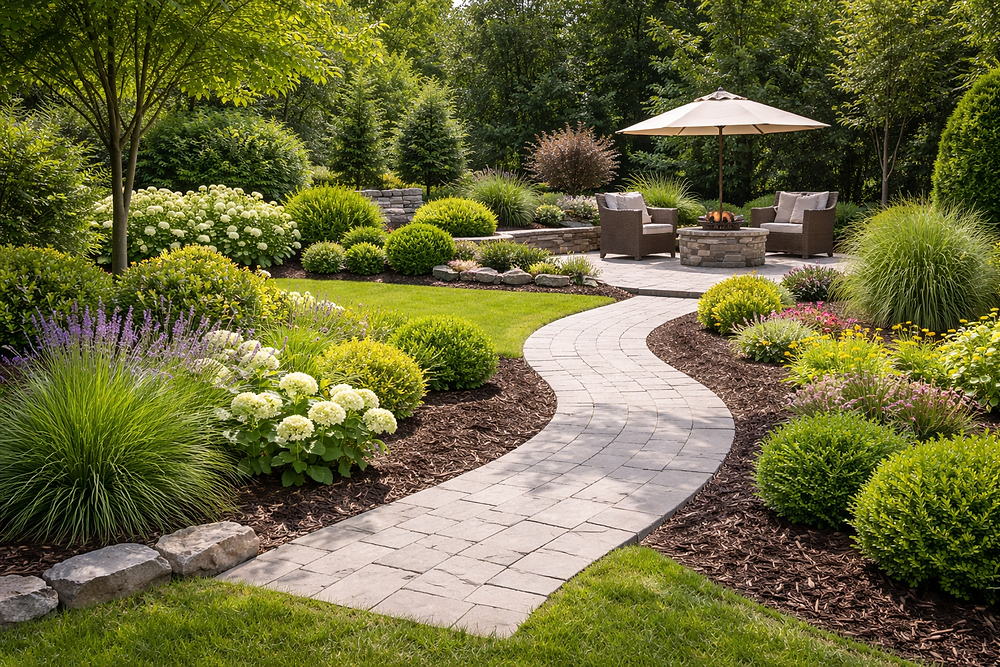
Landscape design is moving toward outdoor spaces that do more than simply look attractive. Homeowners are increasingly interested in yards that are comfortable, practical, easier to maintain, and better suited to local weather conditions. Current industry trends point toward native planting, water efficiency, flexible outdoor living, natural materials, and more organic layouts. For homeowners researching landscapers in Mansfield, these trends can provide useful inspiration while still allowing each property to have its own personality.
Mansfield homeowners also have a practical reason to think locally when choosing landscape features. The city encourages native and drought-tolerant plants, and its landscaping guidance emphasizes plants adapted to regional conditions and water-conscious practices. A beautiful landscape still needs to perform well through North Texas heat, changing rainfall, and seasonal conditions. The best designs balance current style preferences with long-term plant health and manageable maintenance.
1. Native and Drought-Tolerant Planting
One of the strongest landscape trends is the growing use of native, adaptive, and drought-tolerant plants. These selections are particularly practical for North Texas properties because they can be better suited to local heat and soil conditions than plants that require constant attention. Mansfield's own guidance encourages native and adaptive plants because they can thrive with less water and handle Texas conditions effectively. This makes water-wise planting both a design choice and a practical maintenance strategy.
The trend does not mean homeowners need to create a dry or plain-looking garden. Professional designers can combine trees, ornamental grasses, flowering perennials, shrubs, and groundcovers to create layers of color and texture. Plants with different heights can establish visual depth, while seasonal blooms provide changing interest throughout the year. A thoughtful planting palette can therefore reduce unnecessary water demand without sacrificing the character homeowners want from their outdoor spaces.
Experienced landscapers in Mansfield can also help homeowners avoid choosing plants simply because they look appealing at a garden center. Sun exposure, mature size, soil drainage, irrigation coverage, and maintenance expectations all matter when selecting plants. Mansfield's landscaping standards specifically emphasize native and regionally adapted materials in appropriate situations. Matching plants to the actual conditions of the property can improve their chances of establishing successfully and remaining attractive over time.
2. More Functional Outdoor Living Spaces
Another major trend is the transformation of backyards into extensions of the home. Instead of using a patio only for occasional gatherings, homeowners are designing spaces for dining, relaxing, entertaining, cooking, and spending quiet time outdoors. Current landscape professionals are seeing continued demand for comfortable seating areas, fire features, garden retreats, and flexible outdoor spaces. The emphasis is increasingly on creating spaces people will actually use rather than simply adding decorative features.
A successful outdoor living area should be designed around the way a household uses its property. A family that enjoys outdoor meals may prioritize a dining patio and convenient cooking area, while another homeowner may prefer a quiet seating space surrounded by plants. Shade structures, lighting, privacy screening, and pathways can make these spaces more comfortable and useful. The design should also consider how people move between the house, patio, lawn, garden, and other parts of the property.
Professional landscaping Mansfield TX services can help connect hardscape and softscape elements so the backyard feels cohesive rather than assembled piece by piece. A stone patio can be softened with planting beds, while trees and shrubs can frame a seating area without making it feel enclosed. Lighting can define pathways and gathering areas after sunset. By combining practical features with thoughtful planting, homeowners can create an outdoor environment that feels like a natural continuation of the home.
3. Organic Shapes and Natural-Looking Designs
Highly rigid landscaping layouts are giving way to softer, more natural designs. Curved pathways, flowing planting beds, layered vegetation, natural stone, and less formal arrangements can make a yard feel more connected to its surroundings. Current 2026 landscape reporting points toward organic geometry, gravel gardens, curved paths, and layered planting as homeowners move away from overly structured outdoor layouts. This approach can also make larger properties feel more inviting and visually interesting.
Organic design does not mean the landscape should look messy or unplanned. Good landscape design still depends on proportion, balance, repetition, focal points, and clear circulation. The difference is that those principles can be expressed through softer curves and varied planting rather than straight lines and symmetrical rows. For example, a gently curved bed can guide the eye toward a tree, seating area, water feature, or architectural element without making the yard feel overly formal.
Natural materials can strengthen this style. Stone, gravel, wood, and textured pavers can provide visual contrast against foliage while complementing residential architecture. The key is to select materials that work together instead of using too many competing colors or patterns. A professional designer can develop a restrained material palette that gives the yard a polished appearance while allowing plants and natural textures to remain the main visual focus.
4. Low-Maintenance and Water-Smart Landscapes
Homeowners are increasingly looking for landscapes that provide beauty without demanding constant upkeep. This has made low-maintenance planting, efficient irrigation, and water-conscious design important parts of current landscape planning. The National Association of Landscape Professionals reports that homeowners are prioritizing durable materials, efficient irrigation, and multifunctional outdoor spaces in response to maintenance and budget concerns. These priorities are particularly relevant when designing landscapes for the demanding conditions of North Texas.
Water efficiency should begin with the design rather than being added after installation. Plants with similar water requirements can be grouped together so irrigation can be managed more effectively. Proper soil preparation, mulch, efficient irrigation equipment, and appropriate plant placement can also reduce unnecessary water loss. Mansfield's guidance specifically recommends native and adaptive plants and encourages residents to adjust watering based on rainfall and actual lawn needs.
Low-maintenance landscaping does not necessarily mean eliminating lawn or planting only a few species. Instead, it means using the right amount of each landscape element for the property and the homeowner's lifestyle. A smaller, well-designed lawn can be combined with durable planting beds, trees, pathways, and outdoor living areas. This creates visual variety while potentially reducing the amount of mowing, watering, and routine care required across the entire property.
5. Layered Planting for Year-Round Interest
The fifth trend is the use of layered planting to make landscapes attractive across multiple seasons. Rather than relying on one type of plant for all visual impact, designers are combining canopy trees, smaller ornamental trees, shrubs, grasses, perennials, and groundcovers. This approach creates different heights and textures while helping the landscape feel established and intentional. Industry experts are also noting stronger interest in regional, low-maintenance, purpose-driven plant selections for 2026.
Layered planting can also improve privacy and define different areas of a yard. Taller trees can provide shade and structure, medium-height shrubs can create screening, and lower plants can soften the edges of paths and patios. Ornamental grasses can introduce movement, while flowering plants add seasonal color. When these layers are planned together, the landscape can continue to change throughout the year instead of looking attractive only during one short flowering period.
A professional approach is especially useful when planning mature plant sizes. Plants that look perfectly spaced when newly installed can become crowded after several years if their eventual dimensions are ignored. Landscapers in Mansfield can evaluate available space, sunlight, drainage, and expected growth before recommending a planting arrangement. Proper spacing can reduce future pruning, improve airflow, and help plants develop naturally without competing excessively for resources.
Making These Trends Work for Your Mansfield Property
Following a trend should never be the only reason to change a landscape. The strongest design is one that combines attractive ideas with the property's actual conditions and the homeowner's lifestyle. A small suburban yard may benefit from a compact outdoor living area and layered planting, while a larger property may accommodate multiple garden rooms, pathways, shade trees, and gathering spaces. Good design begins with understanding what the homeowner wants the yard to accomplish.
Before starting a landscaping project, consider how much time you realistically want to spend on maintenance. Think about where the yard receives morning and afternoon sun, where water tends to collect, and which areas are currently difficult to use. These observations can help a professional create a design that addresses real problems instead of simply adding decorative features. Mansfield's own resources emphasize that factors such as sunlight, drainage, soil, and plant characteristics influence which plants will perform well.
Budget should also influence the design from the beginning. Instead of trying to complete every desired feature at once, homeowners can prioritize foundational improvements such as grading, drainage, irrigation, trees, and durable hardscaping. Decorative planting, lighting, furnishings, and other details can then be added in phases. Current landscape professionals report that many homeowners are taking this phased approach, investing in quality foundational elements while managing long-term costs.
Choosing Landscapers in Mansfield for Your Design
The right contractor should be able to explain why particular plants, materials, layouts, and irrigation strategies make sense for your property. Ask potential professionals about their design process, experience with local landscapes, material recommendations, installation methods, and maintenance expectations. Reviewing completed projects can also help you determine whether their design style matches your goals. A detailed proposal should make it clear what will be installed and how the finished landscape is expected to function.
It is also worth asking how the proposed landscape will perform several years after installation. A design may look impressive immediately after completion, but long-term success depends on plant maturity, irrigation, maintenance, drainage, and material durability. A knowledgeable professional should consider the landscape's future rather than focusing only on its appearance on installation day. This is particularly important when selecting trees and shrubs that may eventually occupy significantly more space.
Ultimately, the best landscaping Mansfield TX trends are not simply about copying what is popular in 2026. Native and adaptive plants, comfortable outdoor living areas, organic layouts, water-smart systems, and layered planting are valuable because they can combine beauty with practical performance. By adapting these ideas to your property's conditions, you can create an outdoor space that feels current without becoming outdated quickly. Working with experienced landscapers in Mansfield can help turn those trends into a balanced, functional landscape designed for your home's specific needs.

 English
 Arabic
 French
 Portuguese
 Deutsch
 Turkish
 Dutch
 Italiano
 Russian
 Romaian
 Portuguese (Brazil)
 Greek