


How an Electronics Store WooCommerce Theme Can Highlight Product Benefits Clearly
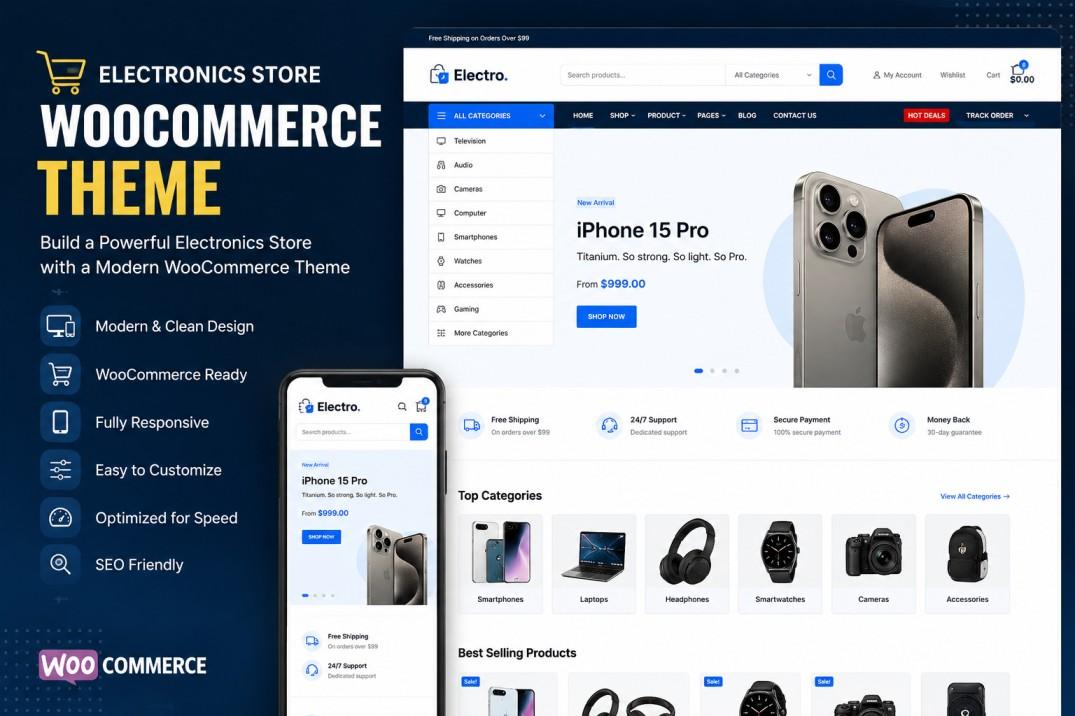
"16GB RAM" tells a customer a fact. "Smooth enough to run multiple apps at once without slowdown" tells them what that fact actually means for their daily life. A lot of electronics product pages stop at the first version, listing specifications as if customers will automatically translate every number into a real understanding of what owning that product will actually feel like. Most won't, and that gap between fact and benefit is exactly where hesitation creeps in. An Electronics Store WooCommerce Theme can help bridge this gap by presenting technical specifications alongside practical benefits, making product information easier to understand and helping shoppers see how each feature can fit their everyday needs.
An Electronics Store WooCommerce theme built to highlight product benefits clearly bridges that gap, helping customers understand not just what a product has, but what that actually means for them.
Why Benefits Matter More Than Specs Alone
Specifications are important, but they're not what actually motivates most purchase decisions. Customers buy outcomes: faster performance, better sound, longer battery life, not raw numbers on a spec sheet.
Most Customers Aren't Deeply Technical
While some shoppers genuinely understand what a specific processor speed or resolution number means in practice, many don't, and for them, an unexplained specification is just noise rather than useful decision-making information.
Benefits Create Emotional Connection, Specs Alone Don't
A number on a page rarely creates excitement. Understanding that a product will genuinely solve a frustration- slow loading times, poor sound quality, short battery life, connects with customers on a level pure technical data doesn't reach.
Translating Specifications Into Real Benefits
Pairing Every Key Spec With a Practical Explanation
Rather than listing "8-hour battery life" alone, adding brief context, "enough for a full workday without needing to find an outlet", helps customers immediately understand practical relevance.
Focusing on Common Customer Pain Points
Identifying frustrations customers commonly experience- slow performance, poor audio quality, inconvenient charging- and explicitly connecting product features to solving these specific problems creates a much stronger case than specs alone.
Using Before-and-After Framing Where Appropriate
Briefly contrasting a common frustration with how this specific product resolves it, "no more waiting for pages to load" for a fast processor, makes benefits feel tangible and relatable.
Structuring Benefit-Focused Content Effectively
Leading With Benefits, Supporting With Specs
Structuring content so the practical benefit comes first, with the technical specification supporting it underneath, respects that most customers care about outcomes first and technical justification second.
Using Clear, Benefit-Focused Headings
Headings like "All-Day Battery Life" or "Crystal-Clear Sound" immediately communicate value, compared to purely technical headings like "Power Specifications" that require customers to interpret significance themselves.
Keeping Benefit Statements Concise and Genuine
Overly exaggerated or vague benefit claims can feel like marketing fluff rather than genuine value. Specific, honest benefit statements tend to build more trust than generic superlatives.
Visual Features That Reinforce Benefit Communication
Icons Representing Key Benefit Categories
Simple icons for common benefit themes, battery life, performance, sound quality, help customers quickly scan and identify the specific advantages that matter most to their particular needs.
Infographics Illustrating Practical Comparisons
Visual comparisons, like showing how much longer a battery lasts compared to typical usage patterns, translate abstract numbers into something customers can intuitively grasp.
Highlighting Standout Benefits Prominently
Visually emphasizing the one or two most compelling benefits of a specific product, rather than treating every feature as equally important, helps customers quickly identify what genuinely sets this option apart.
Addressing Different Customer Priorities
Structuring Benefits Around Common Use Cases
Since different customers value different things, organizing benefit content around use cases, "great for gaming," "ideal for remote work," helps customers quickly identify relevance to their specific situation.
Allowing Customers to Filter by Priority
Some electronics themes support filtering or highlighting features based on customer-selected priorities, letting shoppers indicate what matters most to them and see relevant benefits emphasized accordingly.
Acknowledging Trade-Offs Honestly
Being upfront about genuine trade-offs- a lighter laptop might sacrifice some battery capacity, for example- builds more credibility than presenting every product as having no downsides whatsoever.
Supporting Benefit Claims With Evidence
Connecting Benefits to Relevant Specifications
While benefits should lead the conversation, briefly noting the underlying specification that supports a given claim, "8-hour battery life" backing up "all-day use", maintains credibility and technical accuracy.
Referencing Independent Testing or Certifications Where Available
If relevant third-party testing or certifications support a specific benefit claim, sound quality ratings, or battery testing standards, including this reference reinforces that the claim isn't just marketing language.
Including Genuine Customer Feedback on Specific Benefits
Reviews that specifically confirm a stated benefit, customers mentioning genuinely long battery life or excellent sound quality, provide real-world validation beyond the manufacturer's own claims.
Read More: Computer Repair WordPress Theme - Modern Design for Repair Shops
Avoiding Overpromising or Vague Benefit Language
Being Specific Rather Than Generic
Vague claims like "amazing performance" mean little without context. Specific statements, "handles video editing smoothly without lag", give customers something concrete to evaluate against their actual needs.
Avoiding Universal Claims That Don't Apply to Everyone
Framing benefits honestly for their intended use case, rather than implying a product is perfect for absolutely everyone, prevents disappointment from customers whose needs don't actually align with what the product does well.
Balancing Enthusiasm With Genuine Accuracy
Confident, positive benefit language works well when it's grounded in genuine product strengths, but crossing into exaggeration risks damaging trust once a customer's actual experience doesn't match inflated claims.
Making Benefit Information Easy to Scan
Bullet-Point Benefit Summaries
A concise bulleted list of key benefits near the top of a product page gives customers a quick, scannable overview before they decide whether to explore more detailed content.
Expandable Sections for Deeper Benefit Explanations
For customers who want more context behind a stated benefit, expandable sections offer additional detail without cluttering the main page for those who just want the quick summary.
Mobile Presentation of Benefit-Focused Content
Since many customers browse and evaluate products from their phones, ensuring benefit statements, icons, and supporting content display clearly and remain easy to scan on smaller screens keeps this persuasive content genuinely effective regardless of device.
Conclusion
Highlighting product benefits clearly helps customers understand not just what a product includes, but what owning it will actually mean for their daily experience, which is ultimately what drives most purchasing decisions. Through honest, specific benefit statements paired with supporting specifications, a well-built Electronics Store WooCommerce theme helps bridge the gap between technical data and genuine customer understanding. This kind of benefit-focused approach is exactly what you'll find supported in premium WordPress templates designed for electronics retailers, helping your products connect with customers on the level that actually influences their decision to buy.
Frequently Asked Questions
1. Should product pages lead with benefits or specifications first?
Generally, benefits should come first, with supporting specifications underneath, since most customers care about practical outcomes before they care about the technical details behind them.
2. How can I avoid benefit statements sounding like generic marketing language?
Being specific and honest, rather than using vague superlatives, helps benefit claims feel genuine and credible rather than like exaggerated sales language customers have learned to tune out.
3. Is it risky to acknowledge trade-offs alongside product benefits?
No, honest acknowledgment of genuine trade-offs actually builds more trust than presenting every product as flawless, since customers tend to be skeptical of claims that seem too good to be true.
4. Should benefits be organized around specific use cases, like gaming or remote work?
Yes, this approach helps customers quickly identify relevance to their specific situation, rather than sorting through generic benefit lists that don't clearly apply to their particular needs.
5. Does including customer reviews that confirm specific benefits actually help credibility?
Yes, real customer feedback validating a stated benefit provides independent confirmation that goes beyond manufacturer claims alone, which can meaningfully strengthen trust in that specific benefit statement.

 English
 Arabic
 French
 Spanish
 Portuguese
 Deutsch
 Dutch
 Italiano
 Russian
 Romaian
 Portuguese (Brazil)
 Greek