


Best On Running Shoes for Windy Coastal Runs
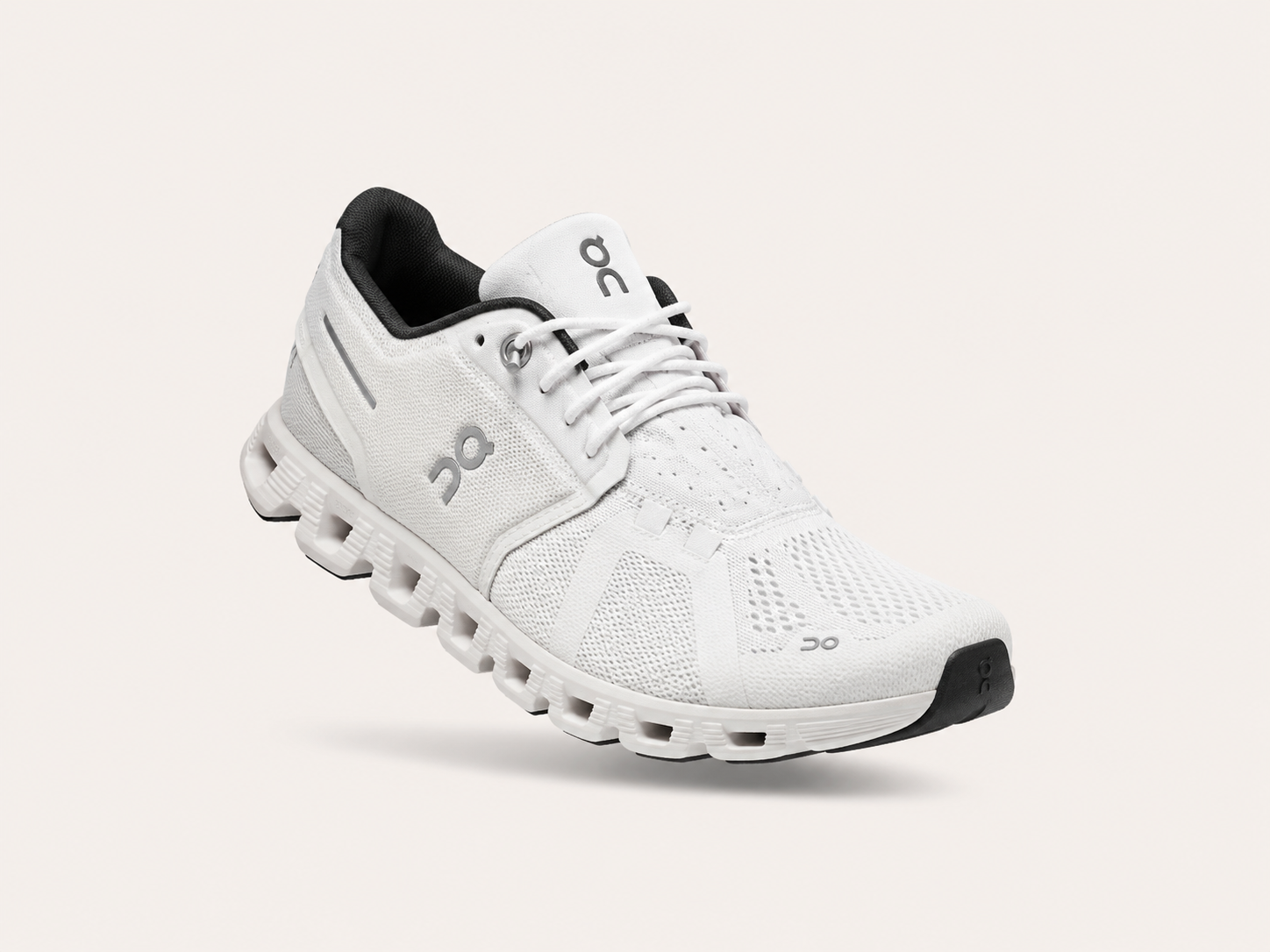
A run along the coast rarely behaves like a loop through a quiet park. Wind gusts push against your body at unpredictable angles, sand shifts under each step, and salt spray settles into the upper of your shoe before you've covered a mile. Boardwalks turn into loose gravel paths, and rocky outcrops replace flat pavement without warning. Shoes that work well on dry, level ground can feel unstable the moment sand, spray, and side wind arrive together.
Outsole Grip on Wet Sand and Rock
The outsole is the first place to look when picking a shoe for coastal miles. Rubber lugs need enough depth to bite into wet sand without collecting so much grit that the sole turns slick within minutes. On rocky sections near tide pools, a firmer rubber compound holds an edge on damp stone better than a soft, cushioned pad alone. Runners who stick to boardwalks and packed sand can get away with a shallower lug pattern, while anyone crossing pebbled shoreline or wet rock should look for a deeper, wider lug https://onrunningg.us/on-cloud/ spacing that sheds debris as it strikes the ground.
Upper Fabric That Handles Wind and Spray
Wind along open shoreline carries fine mist that soaks into an open-knit upper within the first ten minutes. A tighter woven upper resists that spray longer and dries faster once you're back indoors. Some On shoes use a denser knit around the toe box and a slightly more open weave near the ankle collar, which keeps sand from working its way in while still letting air move through when the sun comes out between gusts. For runs where spray is constant, a shoe with a lightly coated or treated upper will shed water rather than absorb it.
Cushioning and Stability When Gusts Push You Off Line
Strong crosswinds can nudge your stride sideways without you fully noticing until your ankle rolls slightly on uneven ground. A wider platform underfoot gives you a larger base to catch that sideways push before it turns into a stumble. On's dual-density foam setup in models like the Cloudrunner and Cloudvista keeps the ride soft without letting the foot sink too deep, which matters when you're bracing against wind rather than running in a straight, predictable line. Shoes with a lower stack height also tend to feel steadier when gusts hit from the side, since your foot sits closer to the ground.
Lacing and Lockdown for Uneven Footing
Loose lockdown becomes obvious fast on sand dunes or shifting gravel, where your foot slides forward inside the shoe with every uphill push. A lacing system that lets you cinch the midfoot firmly — without pressing on the top of the foot — keeps your heel anchored through sudden direction changes caused by wind or terrain shifts. On's speedboard construction in the Cloudsurfer and Cloudultra pairs well with a snug midfoot wrap, giving your foot less room to shift side to side when a gust catches you off guard.
Weight and Drainage After Puddles or Spray
A shoe that holds water adds noticeable weight to every stride once tide pools, puddles, or heavy spray soak through the upper. Mesh panels near the sides and a perforated insole let water drain out rather than pool inside the midsole foam. Lighter shoes in the 220–260 gram range, such as the Cloud 5, stay closer to their original weight even after a soaking, while heavier trail-focused builds can feel noticeably wetter and slower on the return stretch of an out-and-back coastal route.
On Running Models Worth Considering for Coastal Runs
The Cloudultra suits rockier shoreline paths with its deeper lug pattern and protective rock plate underfoot. The Cloudvista works well on mixed sand-and-pavement routes, offering a firmer platform than most trail shoes without losing grip on loose ground. The Cloudsurfer leans toward paved boardwalks and promenades where wind is the main concern rather than uneven footing. For runners who regularly cross tide lines or run through shallow puddles, the Cloud 5 Waterproof adds a membrane layer that keeps the sock liner dry through short water crossings, though it trades some airflow for that protection.
Checking and Rinsing Your Shoes After a Salty, Windy Run
Salt residue left in the upper and outsole grooves can stiffen fabric and wear down foam faster than plain rain or sweat. A quick rinse under cool water after a coastal run removes sand from the lug pattern and salt from the stitching before it dries in place. Letting shoes air dry away from direct heat protects the foam midsole from breaking down early, and pulling out the insole for separate drying stops moisture from sitting against the foot bed overnight. Checking laces and eyelets for trapped sand every few runs keeps the lockdown system working the way it did on day one.
Matching the Shoe to Your Usual Route
Not every coastal runner faces the same conditions on a typical week. Someone running mostly on a paved seafront path needs less rock protection than someone crossing jetties or scrambling over breakwaters. Wind strength also varies by season and time of day, so a shoe that handles a light morning breeze may feel underprepared against afternoon gusts common on exposed headlands. Testing a shoe on a short stretch of your actual route, rather than a treadmill or flat sidewalk, gives a clearer picture of how the outsole, upper, and lockdown will hold up once wind and spray are part of the equation.

 English
 Arabic
 French
 Spanish
 Portuguese
 Deutsch
 Turkish
 Dutch
 Italiano
 Russian
 Portuguese (Brazil)
 Greek