


Burn Treatment: What to Do for Burns and When to Seek ER Care
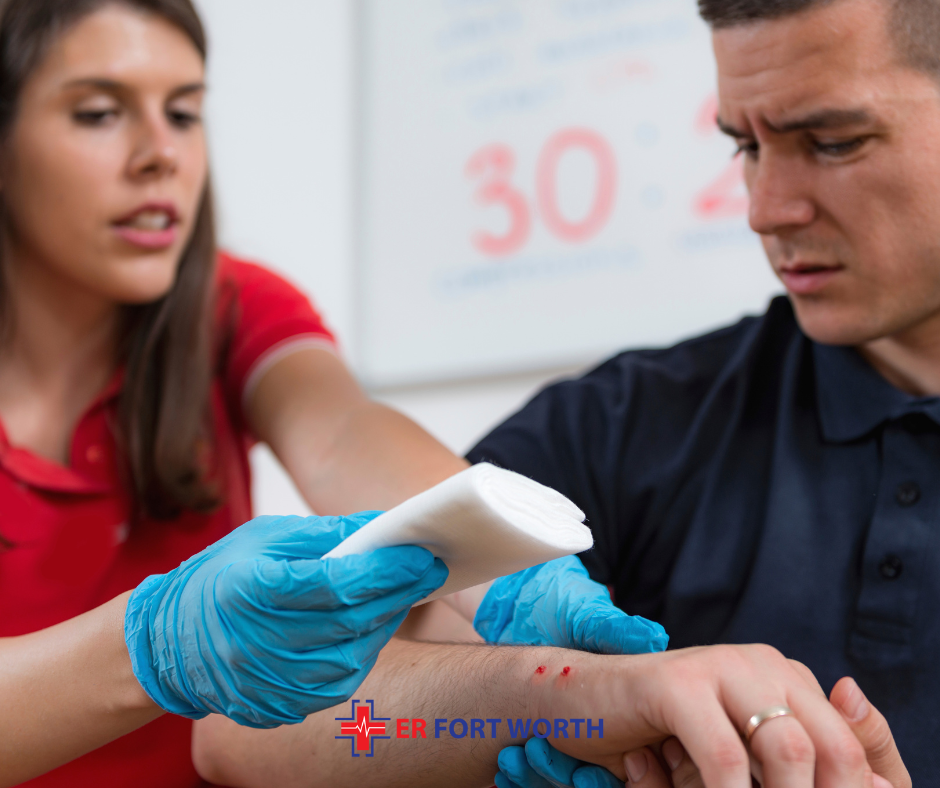
Introduction
Burns can happen unexpectedly at home, at work, in the kitchen, or during outdoor activities. Hot liquids, steam, flames, chemicals, electricity, and even prolonged contact with hot surfaces can damage the skin. While some burns are small and can be managed with basic first aid, deeper or larger burns may require immediate medical attention. Understanding proper burn treatment can help reduce further skin damage and support safer recovery.
Knowing how to respond after a burn is important. Cooling the affected area, protecting the skin, and avoiding harmful home remedies are some of the first steps. For serious injuries, ER of Forthworth can provide emergency evaluation and determine whether additional medical care is needed.
Understanding Different Types of Burns
Not every burn causes the same level of damage. Healthcare professionals generally assess burns according to their depth, size, location, and cause.
First-Degree Burns
These burns affect the outer layer of the skin.
Common signs include:
- Red or irritated skin
- Mild swelling
- Pain or tenderness
- No major blistering
A mild sunburn is a common example. These injuries often improve with basic home care, but symptoms should still be monitored.
Second-Degree Burns
Second-degree burns affect deeper layers of the skin and may cause:
- Blisters
- Significant redness
- Swelling
- Wet or shiny-looking skin
- Moderate to severe pain
Larger or deeper second-degree burns may require professional evaluation.
Third-Degree Burns
Third-degree burns cause extensive skin damage and may affect deeper tissues. The affected skin can appear white, brown, black, leathery, or charred.
These burns require immediate emergency medical attention.
What Should You Do Immediately After a Burn?
Taking the right steps immediately can help prevent additional damage.
1. Move Away From the Heat Source
First, make sure the person is away from flames, hot objects, chemicals, electricity, or other sources causing the injury.
If clothing is burning, stop the flames safely using the appropriate emergency procedure.
2. Cool the Burn
For many minor thermal burns, gently cool the affected area with cool running water.
Avoid using extremely cold water or ice directly on the skin because extreme cold can cause additional tissue damage.
3. Remove Tight Items
If possible, carefully remove rings, watches, bracelets, or tight clothing near the injured area before swelling becomes significant.
Do not pull away clothing that is stuck to burned skin.
4. Protect the Area
After cooling, protect the burn with a clean, non-stick covering. Avoid unnecessary contact with the injured skin.
5. Avoid Breaking Blisters
Blisters provide a natural protective barrier. Popping them can increase the risk of infection and further injury.
When Does a Burn Become an Emergency?
A burn may need emergency evaluation when it is deep, extensive, or affects an important area of the body.
Seek immediate medical attention for burns involving:
- The face
- Eyes
- Hands
- Feet
- Genitals
- Major joints
- Large areas of the body
- The chest or airway
Emergency evaluation is also important when the burn is caused by electricity or chemicals.
Signs That a Burn May Be Serious
Watch for:
- Severe or increasing pain
- Large or deep blisters
- White, black, brown, or charred skin
- Significant swelling
- Difficulty breathing
- Burns covering a large body area
- Signs of shock
- Confusion or weakness
- Loss of sensation in the burned area
If breathing problems, severe weakness, unconsciousness, or other life-threatening symptoms occur, seek emergency help immediately.
Chemical Burns Require Special Attention
Chemical burns can continue damaging tissue even after the initial exposure.
If a chemical gets onto the skin, follow appropriate emergency guidance and remove contaminated clothing when it can be done safely. Rinse the affected area with plenty of running water unless the specific chemical instructions advise otherwise.
Do not try to neutralize a chemical with another chemical. This can create additional heat or injury.
A healthcare professional can determine how serious the exposure is and whether further treatment is necessary.
Electrical Burns Can Be More Serious Than They Look
Electrical injuries can cause damage beneath the skin that is not immediately visible.
Even if the skin injury looks small, electrical exposure may affect:
- Muscles
- Nerves
- Blood vessels
- Internal organs
- The heart
Anyone experiencing a significant electrical injury should receive medical evaluation, particularly when there was loss of consciousness, chest symptoms, weakness, confusion, or a high-voltage exposure.
How Emergency Professionals Evaluate Burns
When a patient arrives at ER of Forthworth, healthcare professionals can assess the burn and determine the appropriate level of care.
Evaluation may include:
- Examining the depth of the burn
- Estimating the affected body area
- Checking for infection or tissue damage
- Assessing pain levels
- Reviewing how the injury happened
- Checking for additional injuries
- Evaluating circulation and sensation
- Determining whether specialized care is needed
The treatment approach depends on the patient's condition rather than simply how the burn looks from the outside.
Common Medical Care for Burns
Treatment varies according to the severity and cause of the injury.
Wound Cleaning
The affected area may need careful cleaning to remove contaminants and reduce the risk of infection.
Pain Management
Burn injuries can be painful. Medical professionals may recommend appropriate pain relief based on the patient's symptoms.
Wound Covering
A suitable dressing may help protect the damaged skin and support healing.
Blister Management
Some blisters may require professional management depending on their size, location, and severity. Patients should generally avoid intentionally breaking them at home.
Infection Monitoring
Healthcare professionals may monitor the wound for signs of infection and provide additional treatment when necessary.
Referral for Specialized Care
Severe burns may require treatment from specialists or a dedicated burn center. Emergency professionals can help determine when a higher level of care is appropriate.
Common Mistakes to Avoid After a Burn
Some popular home remedies can make a burn worse.
Avoid Applying Ice Directly
Ice can damage already injured skin and may increase tissue injury.
Avoid Butter and Grease
Butter, oils, and greasy substances do not provide appropriate emergency care and can make the wound more difficult to clean.
Don't Pop Blisters
Opening blisters can expose damaged tissue and increase infection risk.
Don't Remove Stuck Clothing
Pulling material away from burned skin can cause additional tissue damage.
Don't Ignore a Small-Looking Electrical Burn
The visible skin injury may not represent the full extent of internal damage.
Burn Prevention at Home
Preventing burns is often easier than treating them.
In the Kitchen
- Keep pot handles turned away from the edge.
- Keep children away from hot appliances.
- Test food temperature before giving it to young children.
- Be careful when opening containers that may contain hot steam.
- Keep hot liquids away from table edges.
Around the Home
- Keep matches and lighters away from children.
- Check electrical cords for damage.
- Use heaters according to manufacturer instructions.
- Install and maintain smoke alarms.
- Keep chemicals stored safely.
At Work
Workplaces involving heat, machinery, chemicals, or electricity require appropriate protective equipment and safety procedures.
Caring for a Minor Burn at Home
A small, superficial burn may improve with basic first aid and monitoring.
General steps can include:
- Cool the affected area with cool running water.
- Protect the skin with a clean covering.
- Keep the area clean.
- Avoid picking at damaged skin.
- Monitor for worsening symptoms.
- Seek medical care if the injury does not improve or appears more serious.
If you are uncertain about the severity of a burn, professional evaluation can provide reassurance and help identify complications.
Why Prompt Evaluation Matters
Burns can become complicated when the injury is deeper than expected or when damaged skin becomes infected. Burns involving sensitive body areas may also affect movement or function.
Prompt evaluation can help determine:
- How deep the injury is
- Whether infection is developing
- Whether specialized wound care is necessary
- How pain should be managed
- Whether additional injuries occurred
- Whether follow-up care is needed
Getting appropriate care early can make the recovery process safer and more manageable.
Burn Care at ER of Forthworth
When a burn requires urgent medical attention, ER of Forthworth provides emergency evaluation for patients experiencing acute injuries.
The emergency team can assess the severity of the burn, provide appropriate initial care, manage symptoms, and determine whether the patient needs additional treatment or referral.
Whether a burn occurs because of a kitchen accident, workplace incident, chemical exposure, or another unexpected event, understanding when professional evaluation is necessary can help patients make safer decisions.
Frequently Asked Questions
What is the first thing to do after a burn?
Move away from the source of the burn and cool the affected area with cool running water. Protect the injury afterward and seek medical attention when the burn appears serious.
Should I put ice on a burn?
No. Direct ice can damage injured skin. Cool running water is generally a safer first-aid approach for many minor thermal burns.
Should I pop a burn blister?
It is generally best not to intentionally pop a blister. A healthcare professional can determine whether a blister requires medical management.
When should I go to an emergency room for a burn?
Seek emergency care for deep or extensive burns, burns involving the face, hands, feet, major joints, eyes or genitals, chemical or electrical burns, or burns accompanied by breathing problems or other serious symptoms.
Can electrical burns be dangerous?
Yes. Electrical injuries can cause internal damage even when the skin injury looks small. Significant electrical exposure should receive medical evaluation.
Can chemical burns get worse after exposure?
Yes. Some chemicals can continue damaging tissue after contact. Promptly follow appropriate decontamination guidance and seek professional medical evaluation.
How can burns be prevented?
Use caution around hot liquids, cooking equipment, chemicals, electrical devices, and heating equipment. Keep dangerous items away from children and follow workplace safety procedures.
For more information visit:https://eroffortworthtx.com/services/burns-treatment/

 English
 Arabic
 French
 Spanish
 Portuguese
 Deutsch
 Turkish
 Dutch
 Italiano
 Romaian
 Portuguese (Brazil)
 Greek