


Exchange Traded Fund Market Analysis Reveals Increasing Interest
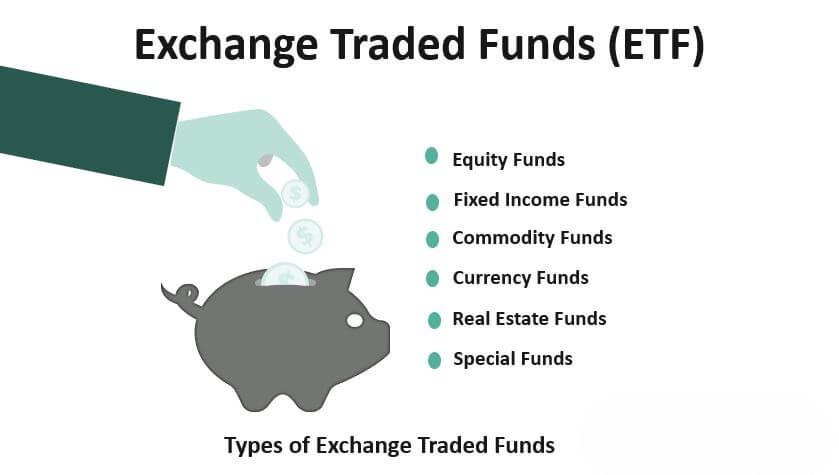
The overall acceleration of index-based investing represents one of the most prominent structural evolutions in the modern financial sector. Both individual and institutional market participants are prioritizing low-fee investment structures that eliminate manager selection risk while maintaining broad market exposure. A deep dive into Exchange Traded Fund market growth reveals how changing demographic trends, financial literacy initiatives, and commission-free trading models serve as massive catalysts for ongoing market expansion. The shift toward low-cost index tracking has compelled traditional brokerage houses to adapt their service offerings, fostering an ecosystem where retail investors enjoy institutional-grade market access. Consequently, overall trading volumes across major exchanges continue to reflect significant participation in these versatile investment products.
As market participants look toward long-term portfolio sustainability, product innovators are continuously introducing thematic strategies targeting clean energy, artificial intelligence, healthcare, and infrastructure developments. These specialized instruments allow targeted exposure to structural global growth trends without requiring extensive equity research on individual corporations. Moreover, the growing implementation of systematic investment plans and digital wealth management solutions ensures consistent, long-term asset inflows into passive funds globally. Discussing these growth dynamics provides valuable insights into how retail participation, technological disruption, and asset management innovation collectively reshape modern capital markets. Over time, these dynamic structures will remain fundamental pillars of resilient financial strategies globally.
Frequently Asked Questions
Q1: What structural factors contribute most significantly to lower expense ratios in passive funds? A: Automated index replication, lower administrative overhead, minimal research spending, and operational economies of scale allow providers to pass substantial cost savings directly to investors.
Q2: How do thematic passive products differ from traditional broad-market index products? A: Broad-market products track wide indices like the S&P 500, whereas thematic products target specific industrial sectors, emerging technologies, or macro trends to capture focused growth opportunities.
➤➤➤Explore MRFR’s Related Ongoing Coverage In Semiconductor Industry:
Non-Destructive Testing Services Market
4 Inches Semi Insulating Silicon Carbide Wafer Market
Electric Vehicle Battery Management System Market
Fingerprint Recognition Ceramic Cover Market
High Precision Gnss Module Market
Smart Grid Volt Var Control Technologies Market

 Arabic
 French
 Spanish
 Portuguese
 Deutsch
 Turkish
 Dutch
 Italiano
 Russian
 Romaian
 Portuguese (Brazil)
 Greek