


Thyroid Antibodies Test Procedure: What Happens During Testing?
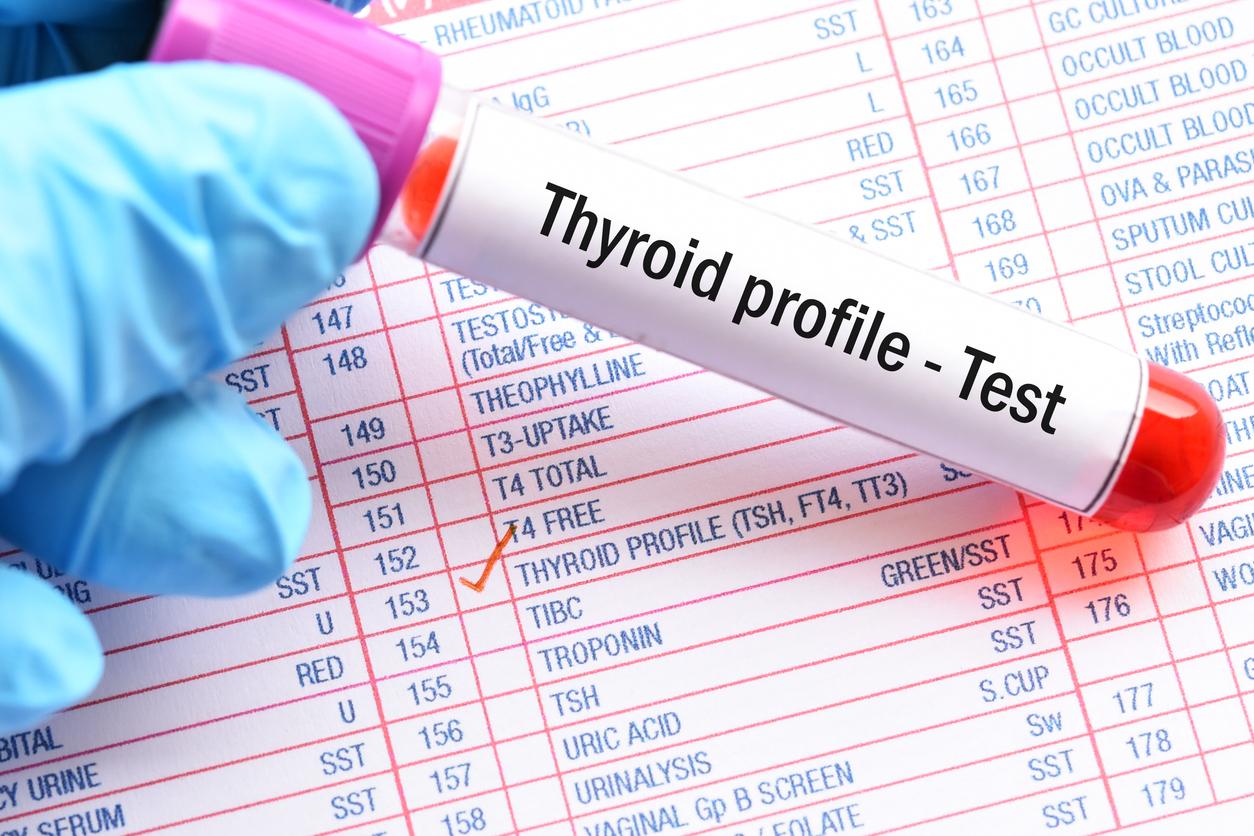
If your doctor has recommended a thyroid antibodies test, you may wonder what actually happens during the appointment. Is it a complicated procedure? Does it hurt? How long does it take? Do you need special preparation?
The good news is that Thyroid Antibodies Test in Dubai is usually a straightforward blood test. A healthcare professional collects a small blood sample from a vein, and the laboratory checks the sample for antibodies associated with autoimmune thyroid conditions.
Although the procedure itself is simple, understanding each stage can make the experience more comfortable and help you know what to expect.
Before the Blood Test: Why Was It Ordered?
The testing process begins before the blood sample is collected. Your healthcare provider first determines whether thyroid antibody testing could provide useful information.
A thyroid antibodies test may be recommended when there is concern about autoimmune thyroid disease, particularly Hashimoto’s thyroiditis or Graves’ disease.
Depending on the clinical situation, the order may include:
-
Thyroid peroxidase antibodies, or TPO antibodies
-
Thyroglobulin antibodies, or TgAb
-
TSH receptor antibodies, or TRAb
-
Thyroid-stimulating immunoglobulin, or TSI
These antibodies provide information about immune activity involving the thyroid. They do not directly measure thyroid hormone production, so doctors often interpret them alongside TSH and free T4 thyroid function tests.
Once the appropriate tests have been selected, the laboratory procedure itself can begin.
Arriving at the Laboratory or Clinic:
When you arrive, you may be asked to provide basic information and confirm the laboratory tests that have been ordered.
If your healthcare provider has given you preparation instructions, make sure you have followed them.
For thyroid antibody testing alone, special preparation such as fasting is generally not required. However, other blood tests ordered at the same time may have different requirements.
It is also useful to tell the healthcare professional about medications, vitamins, and supplements you take.
Do not stop prescribed medication unless your healthcare provider specifically instructs you to do so.
Confirming the Test Details:
Before collecting blood, the healthcare professional may verify your name, the requested tests, and other necessary details.
This step helps ensure that the correct sample is collected and sent for the appropriate laboratory analysis.
If you are having several thyroid tests, the blood sample may be used for multiple measurements.
For example, your doctor might request thyroid antibodies along with TSH and free T4 to evaluate both thyroid function and possible autoimmune activity.
Getting Into a Comfortable Position:
Blood is commonly drawn while you are sitting or, if necessary, in another safe position.
If you tend to feel faint during blood draws, let the healthcare professional know beforehand. They can take appropriate precautions to make the procedure more comfortable.
Try to keep your arm relaxed. Tensing the muscles around the collection area can make the experience more uncomfortable.
Selecting the Blood Collection Site:
The healthcare professional usually examines the veins in your arm and selects a suitable site.
A vein in the inner part of the elbow is commonly used because it is often easy to access. In some cases, another vein may be selected depending on the visibility and accessibility of the veins.
The area is cleaned before the needle is inserted.
Keeping your arm still during this part of the procedure helps the blood collection go smoothly.
Applying the Tourniquet:
A tourniquet is placed around the upper part of your arm.
This temporarily helps make the veins more prominent, allowing the healthcare professional to locate a suitable vein.
You may be asked to make a gentle fist.
There is no need to pump your fist repeatedly unless the healthcare professional specifically asks you to do so.
Collecting the Blood Sample:
The healthcare professional inserts a sterile needle into the selected vein and collects a small amount of blood into a laboratory tube.
You may feel a brief pinch or mild pressure when the needle enters the skin.
For most people, the blood collection takes only a short time.
The amount of blood needed depends on the number and type of tests ordered.
The sample is then prepared for laboratory analysis.
Removing the Needle:
Once enough blood has been collected, the needle is removed.
A piece of cotton or gauze is placed over the collection site, and you may be asked to apply gentle pressure for a short period.
A small bruise, tenderness, or mild soreness can sometimes develop afterward. These effects are usually minor and temporary.
If you experience significant or persistent bleeding after a blood draw, contact a healthcare professional for advice.
Does a Thyroid Antibodies Test Hurt?
Most people experience only mild and brief discomfort.
You may notice:
-
A quick needle pinch
-
Mild pressure
-
A short stinging sensation
-
Slight tenderness afterward
Anxiety about needles can sometimes make the experience feel more uncomfortable than the blood collection itself.
Taking slow breaths and keeping your arm relaxed may help.
If you are particularly nervous about blood tests, tell the person collecting your sample. They can often help you feel more comfortable during the procedure.
How Long Does the Test Take?
The blood collection itself is usually quick.
The complete appointment may take longer because of registration, identification checks, preparation, and sample handling.
The laboratory processing time for thyroid antibody results can vary depending on the laboratory, testing method, and whether several tests were ordered.
Some results may become available relatively quickly, while others may take longer.
Your healthcare provider or laboratory can tell you when your specific results are expected.
What Happens to the Blood Sample?
After collection, the sample is labeled and sent for laboratory analysis.
Specialized laboratory methods are used to determine whether specific thyroid antibodies are present and, depending on the test, to measure their concentration.
The exact method varies by laboratory and assay.
The report may identify the antibody tested and provide a numerical result, a positive or negative interpretation, and a reference range.
It is important to use the reference range supplied by the laboratory because testing methods and reference intervals can differ.
What Are Laboratories Looking For?
The purpose of the procedure is not simply to determine whether there is "something wrong with the thyroid."
Different antibody tests answer different clinical questions.
TPO Antibodies:
TPO antibodies target thyroid peroxidase, an enzyme involved in thyroid hormone production.
They are commonly associated with autoimmune thyroid disease and are particularly relevant when Hashimoto’s thyroiditis is suspected.
Thyroglobulin Antibodies:
TgAb target thyroglobulin, a protein produced by thyroid cells.
These antibodies can also occur with autoimmune thyroid conditions and may provide additional information in selected cases.
TSH Receptor Antibodies:
TRAb target the thyroid-stimulating hormone receptor.
They are particularly useful when Graves’ disease is suspected.
Thyroid-Stimulating Immunoglobulin:
TSI is a type of antibody that can stimulate the TSH receptor and is associated with Graves’ disease.
The choice of antibody test depends on the clinical question your healthcare provider is trying to answer.
What Happens If the Result Is Positive?
A positive thyroid antibody result does not automatically mean that you have severe thyroid disease.
The meaning depends on which antibody is positive and what your other thyroid results show.
For example, TPO antibodies may support an autoimmune explanation when someone also has an elevated TSH. TRAb or TSI may support Graves’ disease when a person has laboratory evidence of hyperthyroidism.
However, antibody levels should not be interpreted in isolation.
Your healthcare provider may consider:
-
TSH
-
Free T4
-
Sometimes T3
-
Thyroid symptoms
-
Medical history
-
Physical examination
-
Other thyroid investigations
What If the Result Is Negative?
A negative thyroid antibody result means that the specific antibody tested was not detected at a level considered positive by that laboratory's testing method.
It does not necessarily rule out every thyroid disorder.
Thyroid problems can have causes unrelated to detectable thyroid antibodies, and autoimmune disease may not always produce a positive result on every antibody test.
This is why doctors consider the complete clinical picture rather than using a single laboratory result as the final answer.
Can You Return to Normal Activities Afterward?
For most people, yes.
Once the blood sample has been collected, you can generally return to your usual activities unless your healthcare provider has given you different instructions.
Keep the collection site clean and follow any aftercare instructions provided by the laboratory.
If you develop unusual swelling, persistent bleeding, severe pain, or another concerning symptom after the blood draw, seek appropriate medical advice.
Is There Any Special Aftercare?
Usually, there is very little aftercare.
Applying gentle pressure immediately after the needle is removed helps reduce bleeding. Keeping the area undisturbed for a short time can also help.
Some people develop a small bruise. This can happen even after an uncomplicated blood draw and generally resolves on its own.
Staying hydrated and having a normal meal afterward can be helpful if you had been fasting for another test, although thyroid antibody testing alone generally does not require fasting.
How Should You Understand the Final Report?
Receiving the laboratory report is not necessarily the end of the evaluation.
A thyroid antibody result tells your healthcare provider about possible thyroid autoimmunity, but it does not independently determine thyroid function.
For example, someone can have positive TPO antibodies while TSH and free T4 are still normal. Another person may have abnormal thyroid function without detectable antibodies.
The most useful interpretation comes from considering the antibody result alongside thyroid hormone levels and the reason the test was ordered.
Your laboratory's reference range should also be used rather than comparing the number with an unrelated reference range found online.
Frequently Asked Questions:
Is thyroid antibody testing a urine test?
No. Thyroid antibodies are generally measured using a blood sample collected from a vein.
Do all thyroid tests require the same procedure?
Not necessarily. Different thyroid and related blood tests can have different preparation requirements. Follow the instructions provided for your specific laboratory order.
Can I take my usual medication?
Do not change or skip prescribed medication unless your healthcare provider tells you to. Ask whether any medication or supplement needs special consideration before testing.
How many antibodies can be tested?
Several thyroid antibodies can be measured, including TPO antibodies, TgAb, TRAb, and TSI. Your doctor chooses tests according to the suspected thyroid condition and clinical circumstances.
Does a positive thyroid antibody test diagnose Hashimoto’s or Graves’ disease by itself?
Not always. Antibody results are interpreted together with thyroid function, symptoms, medical history, and other findings.
The Takeaway:
The thyroid antibodies Lab tests procedure is usually a simple blood draw rather than a complicated medical procedure. After the test is ordered, a healthcare professional verifies the requested tests, collects a small blood sample from a vein, and sends it to the laboratory for analysis.
The laboratory may test for TPO antibodies, TgAb, TRAb, TSI, or another requested thyroid antibody. Results can help identify evidence of autoimmune thyroid activity and support the evaluation of conditions such as Hashimoto’s thyroiditis and Graves’ disease.
Most importantly, the result should be viewed as part of a larger thyroid assessment. Your TSH, free T4, symptoms, medical history, and other findings help determine what the antibody result actually means.
Knowing what happens during testing can make the appointment feel much more predictable. In most cases, the procedure is brief, straightforward, and completed within minutes.

 English
 Arabic
 Spanish
 Portuguese
 Deutsch
 Turkish
 Dutch
Dutch
 Italiano
 Russian
 Romaian
 Portuguese (Brazil)
 Greek
Greek