


What is the Difference Between Tile Adhesive and Traditional Cement Mortar?
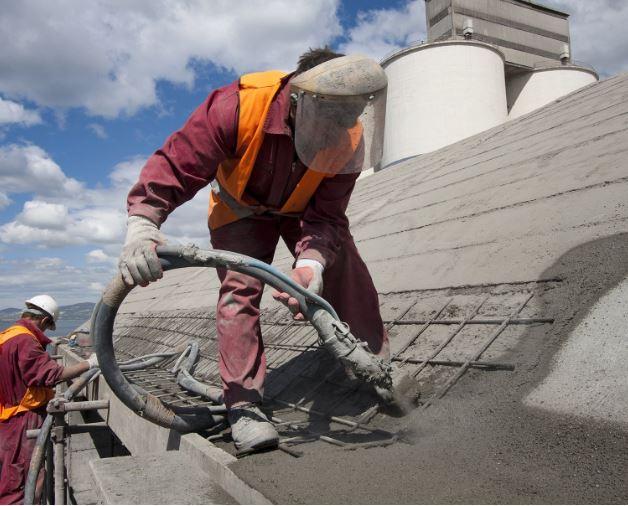
Understanding the difference between tile adhesive and traditional cement mortar is essential for achieving strong, long-lasting tile installations. Both materials are used in construction, yet they perform differently and deliver different levels of efficiency, durability, and bonding strength. As modern building practices evolve, choosing the right material becomes even more important, especially when working on projects involving Cementitious Waterproofing, Floor Coating, or Concrete Repair, where surface performance and adhesion play crucial roles.
How Tile Adhesive Works Compared to Cement Mortar
Tile adhesive is a specially formulated mixture designed to bond tiles directly to surfaces with strong and consistent adhesion. It is manufactured to provide flexibility, high bonding strength, and better workability. This makes it ideal for modern architectural requirements, where tiles are used on a variety of surfaces, including cement boards, existing tiles, plastered walls, and even areas exposed to moisture. Tile adhesive also maintains a uniform layer thickness, which helps prevent tile slippage and uneven surfaces.
Traditional cement mortar, on the other hand, is prepared by mixing sand and cement manually at the site. While it has been used for decades, its bonding strength and flexibility are significantly lower compared to ready-mix tile adhesives. Mortar tends to shrink as it cures, which can cause tiles to loosen or crack over time. It also requires a thicker application, making the installation process more labor-intensive and less consistent. In areas where moisture protection is required—such as rooms treated with Cementitious Waterproofing the lack of flexibility in cement mortar can lead to long-term issues.
Performance Differences and Application Suitability
Tile adhesive provides superior grip, allowing tiles to be installed with precision and without the need for soaking them beforehand. This advanced formulation ensures better adhesion on vertical and horizontal surfaces, reducing tile movement and ensuring a longer-lasting finish. It also supports modern, large-format tiles that demand higher bonding performance. When installing tiles over surfaces involved in Floor Coating or Concrete Repair, tile adhesive minimizes the risk of detachment because it creates a stronger bond even on smoother or previously treated substrates.
Cement mortar is more suited for basic applications where high performance is not a priority. It is less effective on smooth or waterproofed surfaces because it relies heavily on surface roughness for grip. This becomes a limitation when working in modern construction environments where Cementitious Waterproofing and protective coatings are commonly used. Mortar may not bond well on such treated surfaces, making it unsuitable for many contemporary projects.
Durability and Moisture Resistance
Tile adhesive is engineered to resist moisture, temperature variations, and mechanical stress. This makes it perfect for bathrooms, kitchens, balconies, and outdoor areas. It complements surfaces treated with Cementitious Waterproofing because it does not weaken when exposed to damp conditions. Its elasticity helps absorb structural movements, reducing the chances of tile cracks or debonding.
Cement mortar, however, is prone to water absorption. Over time, exposure to moisture can weaken the bond between the tile and the substrate. In areas that require strong protection—especially those combined with Floor Coating or Concrete Repair—cement mortar may not provide the required durability. Its inability to accommodate movement can lead to hollow spots, cracks, and eventual tile failure.
Why Modern Construction Prefers Tile Adhesive
The construction industry increasingly favours tile adhesive due to its consistency, reliability, and compatibility with advanced building materials. As buildings incorporate more treatments such as waterproofing layers, protective Floor Coating systems, and structural Concrete Repair methods, the demand for a bonding agent that performs under varied conditions continues to grow. Tile adhesive fits these needs with ease. It enhances installation quality, saves time, and delivers a professional finish without the inconsistencies associated with hand-mixed mortar.
Traditional cement mortar still has its place but is gradually becoming less common for tile installation due to its limitations. Its dependency on manual mixing, low flexibility, and reduced bonding strength make it less suited for modern construction techniques.
Conclusion
The primary difference between tile adhesive and traditional cement mortar lies in performance, bonding ability, and durability. Tile adhesive provides a modern, high-strength solution that works exceptionally well with treated surfaces, especially those involving Cementitious Waterproofing, Floor Coating, or Concrete Repair. Cement mortar, while reliable for basic use, cannot match the advantages delivered by adhesive formulations designed for today’s construction needs. Choosing tile adhesive ensures better installation quality and long-term results, making it the preferred choice for both residential and commercial projects.

 English
 Arabic
 French
 Portuguese
 Deutsch
 Turkish
 Dutch
Dutch
 Italiano
 Russian
 Romaian
 Portuguese (Brazil)
 Greek
Greek