


Flexural Strengthening: Boosting Concrete Structure Safety and Durability
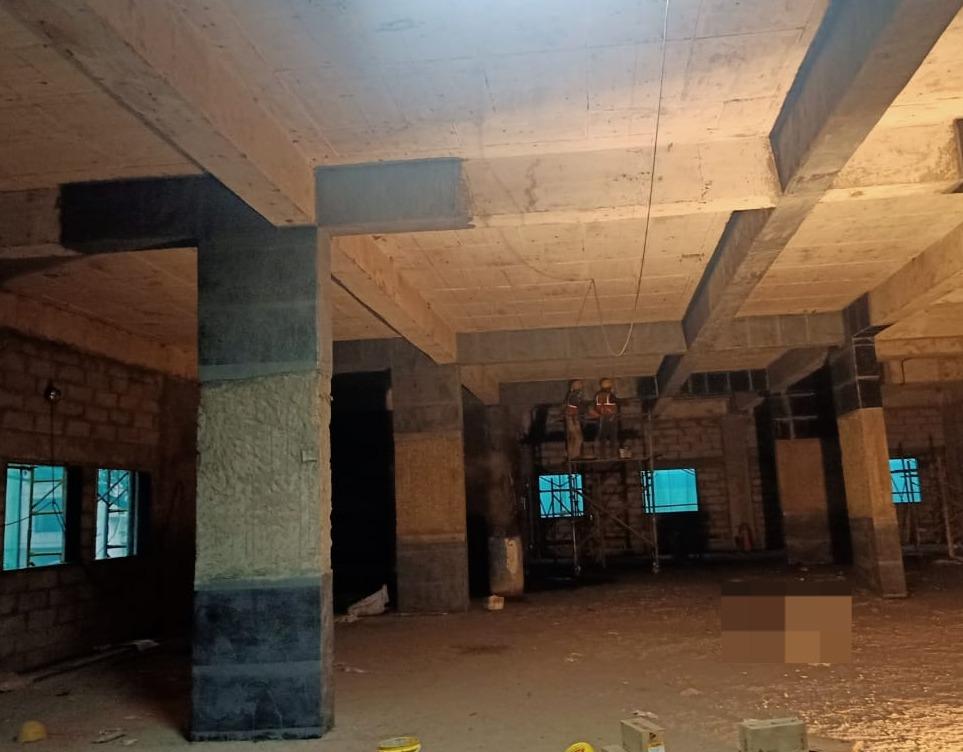
Concrete structures often face challenges due to increasing load demands, aging materials, or design limitations. One of the most effective methods to improve their load-bearing capacity is flexural strengthening. This technique focuses on enhancing the bending capacity of beams, slabs, and other structural components. By increasing the flexural strength, engineers can ensure safety, extend the lifespan of structures, and prevent cracks or failures under heavy loads, making it a vital part of structural rehabilitation.
What is Flexural Strengthening?
Flexural strengthening is the process of improving the bending resistance of structural elements, particularly concrete beams and slabs. Over time, reinforced concrete can develop cracks or weaken due to overloading, environmental conditions, or material deterioration. Flexural strengthening methods aim to restore or enhance the structural performance, ensuring it can withstand higher bending moments. This process is crucial in buildings, bridges, and industrial structures where safety and durability are non-negotiable.
Why Flexural Strengthening is Essential
Many older structures were designed with outdated codes and lower load assumptions. Modern usage often exceeds these initial designs, causing structural stress. Implementing flexural strengthening addresses these challenges, preventing structural failures and minimizing maintenance costs. Additionally, it increases safety for occupants and extends the service life of buildings. Property owners and civil engineers increasingly seek these solutions to adapt structures to modern demands while avoiding expensive reconstruction.
Common Causes Requiring Flexural Strengthening
Structures may require flexural strengthening for several reasons. Excessive live loads, environmental degradation, or changes in building usage can compromise beam or slab strength. Corrosion of reinforcement, poor construction quality, or natural disasters can also weaken bending resistance. Identifying these causes helps in selecting the appropriate strengthening technique. By understanding the root problems, engineers can implement targeted solutions that improve structural performance without unnecessary alterations or disruptions.
Techniques for Flexural Strengthening
Various methods are used for flexural strengthening, depending on the structure’s condition and load requirements. The most common techniques include externally bonded fiber-reinforced polymers (FRP), steel plate bonding, and concrete jacketing. FRP involves attaching high-strength fibers to the surface to increase tensile capacity. Steel plates can be bolted or glued to enhance bending strength, while concrete jacketing involves adding a layer of reinforced concrete around beams or slabs to restore or boost flexural performance.
Fiber-Reinforced Polymer (FRP) Strengthening
Among modern approaches, FRP is highly popular for flexural strengthening. It involves bonding carbon or glass fiber sheets to the tension face of beams or slabs. FRP is lightweight, corrosion-resistant, and offers a high strength-to-weight ratio. This method is minimally invasive, making it suitable for occupied structures. By applying FRP, the flexural capacity of concrete elements significantly improves, reducing crack propagation and enhancing overall structural stability without extensive construction work.
Steel Plate Bonding Method
Steel plate bonding is another effective flexural strengthening technique. In this method, steel plates are externally attached to concrete beams using epoxy adhesives or mechanical fasteners. It increases bending resistance and provides additional stiffness to the structure. This method is ideal for heavily loaded industrial buildings or bridges. Although it requires careful surface preparation and anchoring, steel plate bonding ensures long-lasting structural performance and can be combined with other methods for maximum results.
Concrete Jacketing for Flexural Strengthening
Concrete jacketing is a traditional but effective flexural strengthening method. It involves encasing existing beams or slabs with additional reinforced concrete. The added section improves bending strength, increases cross-sectional area, and protects original reinforcement from corrosion. This method is particularly useful for older structures requiring significant capacity enhancement. While it may involve temporary disruption, concrete jacketing provides a durable and robust solution for long-term structural improvement.
Benefits of Flexural Strengthening
Investing in flexural strengthening offers multiple advantages. It increases load-carrying capacity, reduces the risk of structural failure, and extends the lifespan of existing structures. It also provides cost-effective alternatives to complete reconstruction while ensuring compliance with modern safety standards. Moreover, enhanced flexural performance can improve occupant safety, reduce maintenance frequency, and protect infrastructure investment. These benefits make flexural strengthening an essential consideration for civil engineers and property owners.
Choosing the Right Flexural Strengthening Service
Selecting the right provider for flexural strengthening is critical for successful outcomes. Experienced contractors evaluate structural conditions, load requirements, and environmental factors to recommend suitable methods. They ensure proper material selection, surface preparation, and installation techniques. Reliable service providers also adhere to quality standards, ensuring long-term structural integrity. Choosing expert engineers guarantees that strengthening solutions are efficient, safe, and tailored to the specific needs of each building or structure.
Flexural strengthening is a crucial solution for maintaining the safety and performance of concrete structures. Whether using FRP sheets, steel plates, or concrete jacketing, these techniques restore bending capacity and extend service life. As urban infrastructure ages and load demands increase, flexural strengthening becomes a practical, cost-effective approach to prevent structural failures. Engaging professional services ensures precise assessment and execution, making structures safer, more durable, and better equipped for modern requirements.

 English
 Arabic
 French
 Spanish
 Portuguese
 Deutsch
 Turkish
 Dutch
Dutch
 Russian
 Romaian
 Portuguese (Brazil)
 Greek
Greek