


Why Dental Website Development Should Include Clear Emergency Care Information
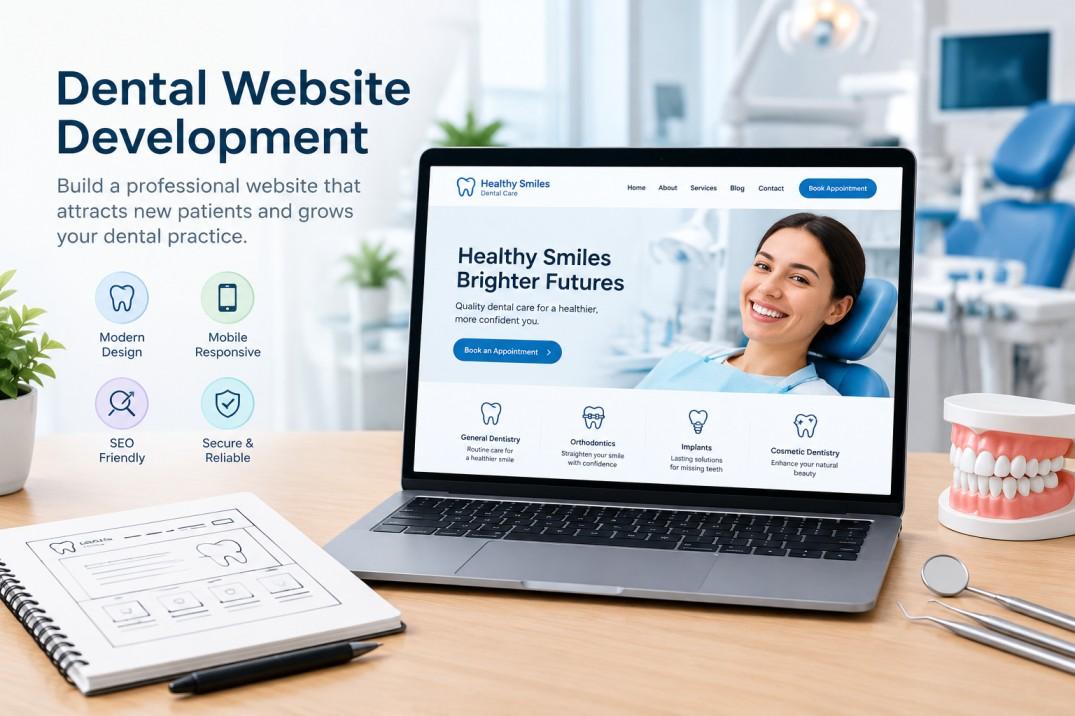
A cracked tooth at nine on a Saturday night, a knocked-out tooth after a fall, pain so severe it's hard to think straight none of these situations leave room for someone to patiently browse a website looking for a phone number buried somewhere in a footer. Dental emergencies happen at inconvenient times, and the difference between a website that helps immediately and one that doesn't can genuinely affect how well an urgent situation gets handled. Effective dental website development can make emergency contact details, urgent care information, and next steps easy to find when patients need help quickly.
Dental website development that treats emergency care information as a genuine priority, not an afterthought, helps patients get the right help fast, exactly when it matters most.
Why Emergency Information Deserves Special Priority
Unlike routine appointment scheduling, dental emergencies involve real urgency, sometimes real pain, and patients in this situation have neither the time nor the composure to dig through a poorly organized website.
Patients in Pain Have Limited Patience for Navigation
Someone dealing with acute dental pain or trauma isn't in a position to carefully explore a website's full menu structure. They need the relevant information immediately, without unnecessary clicking or searching.
Delayed Treatment Can Worsen Outcomes
For certain dental emergencies, particularly knocked-out teeth, how quickly a patient receives appropriate care can genuinely affect whether a tooth can be saved, making fast access to clear guidance a matter of real consequence.
Making Emergency Contact Information Impossible to Miss
A Prominent Emergency Banner or Button
Displaying emergency contact information prominently, ideally visible on every page rather than buried within a general contact section, ensures patients can find it immediately regardless of where they land on the site.
Distinguishing Emergency Contact From Routine Scheduling
Clearly separating emergency contact options from standard appointment booking prevents a patient in genuine distress from accidentally submitting a routine request and waiting for a response meant for non-urgent matters.
Providing After-Hours Contact Information Clearly
Since dental emergencies don't follow business hours, clearly stating whether after-hours emergency support is available, and exactly how to reach it, addresses a critical, practical need directly.
Explaining What Actually Qualifies as a Dental Emergency
Distinguishing Emergencies From Issues That Can Wait
Clear guidance helping patients understand what constitutes a genuine emergency- severe pain, trauma, uncontrolled bleeding- versus what can reasonably wait for a regular appointment supports better, more informed decision-making.
Addressing Common Emergency Situations Specifically
Content addressing frequent emergency scenarios, a knocked-out tooth, a severe toothache, a broken restoration, helps patients quickly recognize and understand their specific situation.
Clarifying When to Seek Emergency Room Care Instead
For situations beyond what a dental practice can address, severe facial trauma, uncontrolled bleeding, difficulty breathing, clearly directing patients toward appropriate emergency medical care supports genuine patient safety.
Providing Immediate Guidance for Common Emergencies
First Steps for a Knocked-Out Tooth
Clear, step-by-step guidance on how to handle a knocked-out tooth, keeping it moist, avoiding touching the root, and seeking immediate care, can genuinely affect whether the tooth can eventually be saved.
Managing Severe Toothache Before Arrival
Basic guidance on managing pain while awaiting care, appropriate over-the-counter options, and avoiding certain temperature extremes provides genuine, practical help during an uncomfortable wait.
Handling a Broken or Chipped Tooth
Simple guidance addressing what to do immediately after a chip or break, saving any broken pieces, and avoiding further damage helps patients respond appropriately in the moment.
Visit Our Website: Dentist WordPress Theme - Build a Professional Dental Website
Setting Clear Expectations for Emergency Response
Explaining Typical Response Times
Providing general expectations for how quickly emergency contacts are typically addressed helps patients understand what to expect after reaching out, reducing anxiety about being left waiting indefinitely.
Clarifying Whether Same-Day Appointments Are Available
Explicitly stating whether the practice offers same-day emergency appointments removes uncertainty about whether reaching out will actually result in timely care.
Addressing What Happens During the Emergency Contact Itself
Briefly explaining what information will be needed when a patient calls or reaches out, symptoms, when the issue started- helps patients prepare for that initial contact and speeds up the process.
Visual Features That Support Emergency Information Clarity
Clear, High-Contrast Emergency Contact Display
Using visually distinct styling, color, size, and placement for emergency contact information ensures it stands out immediately rather than blending into general page content.
Simple Icons Indicating Emergency Severity
Visual indicators helping patients quickly distinguish between genuine emergencies and less urgent concerns support faster, more appropriate decision-making during a stressful moment.
Step-by-Step Visual Guides for Common Emergencies
Simple visual sequences illustrating immediate steps for situations like a knocked-out tooth can be easier to follow quickly than dense paragraphs of text during a stressful moment.
Making Emergency Information Accessible Under Stress
Using Simple, Direct Language
Avoiding complex sentences or unnecessary detail in emergency guidance respects that patients reading this content are often stressed, in pain, or otherwise not in an ideal state for processing complicated information.
Prioritizing the Most Critical Information First
Structuring emergency content so the most immediately actionable guidance appears first, with additional detail available afterward, respects that patients need fast answers before anything else.
Avoiding Unnecessary Scrolling to Reach Key Information
Keeping essential emergency contact details and immediate guidance visible without requiring extensive scrolling ensures patients can access critical information as quickly as possible.
Supporting Different Types of Emergency Situations
Content for Adult Dental Emergencies
General emergency guidance addressing common adult situations covers the majority of typical urgent dental concerns.
Content for Pediatric Dental Emergencies
Since children's dental emergencies sometimes require different immediate handling, dedicated guidance for parents addresses this specific, important audience directly.
Content for Patients With Specific Dental Work
Addressing emergency situations specific to patients with braces, dentures, or other dental appliances provides more directly relevant guidance for these particular circumstances.
Mobile Access to Emergency Information
Since dental emergencies often prompt patients to search from their phones, sometimes in significant distress, ensuring emergency contact information and guidance display clearly and load quickly on mobile is absolutely essential, not optional.
Conclusion
Clear emergency care information isn't a minor addition to a dental website, it's a genuine resource that can meaningfully affect how well a patient handles a stressful, sometimes urgent situation. Through prominent contact information, honest guidance on what qualifies as an emergency, and clear immediate steps for common situations, dental website development can provide real, practical help exactly when patients need it most. This kind of emergency-focused clarity is exactly what you'll find supported in premium Website HTML Templates designed for dental and healthcare practices, helping your practice be found and trusted precisely during the moments that matter most.
Frequently Asked Questions
1. Should emergency contact information be separated from standard appointment booking?
Yes, distinguishing these clearly prevents a patient in genuine distress from accidentally using a contact method meant for non-urgent matters, which could delay the fast response they actually need.
2. How important is explaining what qualifies as a genuine dental emergency?
Very important, since clear guidance helps patients make informed decisions about urgency, distinguishing situations needing immediate attention from those that can reasonably wait for a regular appointment.
3. Should step-by-step guidance be provided for situations like a knocked-out tooth?
Yes, since proper immediate handling can genuinely affect treatment outcomes, and clear, simple instructions help patients respond appropriately even during a stressful, uncertain moment.
4. Is it necessary to clarify when a situation requires emergency room care instead of a dentist?
Yes, for situations beyond what dental care can address, clearly directing patients toward appropriate emergency medical services supports genuine patient safety.
5. Does mobile accessibility really matter more for emergency information than other content?
Yes, since dental emergencies often prompt urgent searches from a phone, sometimes while a patient is in significant distress, making fast, clear mobile access absolutely essential.

 English
 Arabic
 French
 Spanish
 Portuguese
 Deutsch
 Turkish
 Dutch
 Italiano
 Russian
 Romaian
 Greek