


Calcium Blood Test: Common Questions Answered
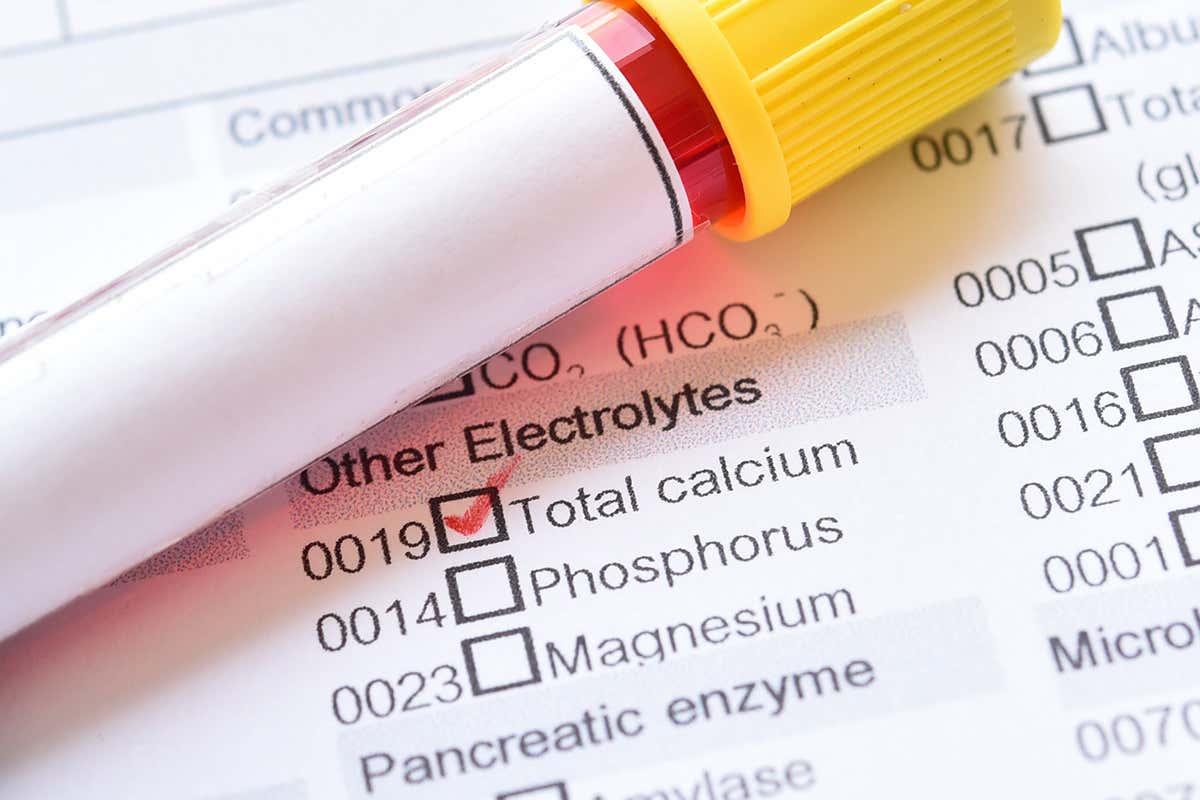
A calcium blood test is a common laboratory test used to measure the amount of calcium circulating in the blood. Although calcium is best known for supporting strong bones and teeth, it also plays an important role in muscle contraction, nerve signaling, heart function, and blood clotting.
Because Calcium Blood Test in Dubai is carefully regulated by the parathyroid glands, kidneys, intestines, bones, vitamin D, and phosphorus, an abnormal result can have several possible explanations. A calcium blood test may therefore be ordered as part of routine blood work or during an evaluation of conditions affecting the bones, kidneys, parathyroid glands, or mineral balance.
If you have been asked to have a calcium test or are reviewing a laboratory report, these common questions can help explain what the test measures and what its results may mean.
What Does a Calcium Blood Test Measure?
A calcium blood test measures the concentration of calcium in your blood.
The body stores most of its calcium in the bones and teeth, while only a small amount circulates in the bloodstream. Even this relatively small amount is important because blood calcium supports several essential body functions.
There are two main forms of calcium in the blood:
-
Protein-bound calcium, which is attached mainly to albumin
-
Ionized calcium, which is free and not attached to proteins
A standard blood test usually measures total calcium, which includes both forms. An ionized calcium test measures only the free form.
Why Would a Doctor Order a Calcium Blood Test?
A calcium test may be ordered for several different reasons.
It can be included in a basic metabolic panel or comprehensive metabolic panel, allowing healthcare professionals to review calcium alongside other measures of general metabolic and organ function.
It may also be ordered when there are concerns about:
-
Abnormal calcium levels
-
Parathyroid gland disorders
-
Kidney disease
-
Bone disorders
-
Vitamin D-related problems
-
Certain digestive conditions
-
Symptoms associated with very high or very low calcium
A calcium blood test can also help monitor an existing condition or evaluate how treatment is affecting calcium balance.
Does a Calcium Blood Test Check Bone Strength?
No. This is one of the most important distinctions to understand.
A calcium blood test measures calcium circulating in the bloodstream. It does not directly measure how much mineral is stored in your bones or how strong your bones are.
A person can have a normal blood calcium level while still having reduced bone mineral density. When osteoporosis or bone density loss is being evaluated, a DEXA scan may be used because it measures bone mineral density rather than blood calcium.
Therefore, a calcium blood test and a bone density test answer different medical questions.
What Is the Difference Between Total Calcium and Ionized Calcium?
Total calcium measures both protein-bound and free calcium in the blood.
Ionized calcium measures only the free calcium that is not attached to proteins. This form is biologically active and is important for normal nerve and muscle function.
Total calcium is commonly used for routine testing. However, an ionized calcium test may be considered when the total calcium result does not provide enough information, particularly when blood protein levels or serious illness may affect interpretation.
This distinction explains why a healthcare professional may sometimes request additional testing rather than interpreting a total calcium result by itself.
What Does Albumin Have to Do With Calcium?
Albumin is the major blood protein that binds calcium.
Because a portion of total blood calcium is attached to albumin, changes in albumin concentration can affect the measured total calcium level without necessarily representing the same change in free calcium.
For this reason, albumin may be reviewed when interpreting a total calcium result. In some clinical situations, an ionized calcium measurement can provide more direct information about the free calcium concentration.
This is why simply comparing a calcium number with a reference range may not tell the entire story.
What Is a Normal Calcium Level?
There is no single calcium value that applies to every laboratory.
Reference ranges can vary depending on the laboratory, testing method, age, and other factors. Your calcium result should therefore be compared with the reference interval printed on your own laboratory report.
A result slightly outside the stated range does not automatically mean that a serious condition is present. Healthcare professionals may consider the result alongside albumin, symptoms, medical history, medications, kidney function, PTH, vitamin D, and other laboratory findings.
The overall pattern is usually more informative than one isolated number.
What Can Cause High Blood Calcium?
A high blood calcium level is called hypercalcemia.
There are multiple possible causes. One important cause is excessive parathyroid hormone activity, which can increase blood calcium. Other possibilities include certain cancers, dehydration, vitamin D-related problems, medications, and other medical conditions.
Symptoms can vary depending on how high the calcium level is and how quickly it changes. Some people may have no noticeable symptoms, while others can experience constipation, nausea, increased thirst, frequent urination, weakness, fatigue, abdominal discomfort, kidney stones, or changes in mental status.
An elevated calcium result requires context rather than an assumption about its cause.
What Can Cause Low Blood Calcium?
Low blood calcium is known as hypocalcemia.
Potential causes include vitamin D deficiency, problems with calcium absorption, kidney disease, low magnesium, certain hormonal disorders, and other medical conditions.
Some people with low calcium have no symptoms. More significant reductions can cause muscle cramps, stiffness, tingling around the mouth or in the fingers and feet, abnormal heart rhythms, or, in severe cases, seizures.
Because many conditions can affect calcium levels, additional blood tests may be necessary to identify the underlying reason.
Why Might PTH Be Tested With Calcium?
Parathyroid hormone, or PTH, is one of the body's major calcium-regulating hormones.
When blood calcium falls, PTH can help raise it by influencing the bones, kidneys, and vitamin D pathway. PTH can encourage calcium release from bone, help the kidneys retain calcium, and support activation of vitamin D.
This is why calcium and PTH are frequently interpreted together.
For example, an abnormal calcium result may lead a healthcare professional to examine whether the parathyroid glands are responding appropriately. The relationship between the calcium level and PTH level can provide useful clues about calcium regulation.
Why Are Vitamin D and Phosphorus Sometimes Checked?
Calcium metabolism involves much more than calcium itself.
Vitamin D helps the body absorb calcium from the digestive tract and participates in calcium and phosphorus regulation. Phosphorus is also closely connected with calcium and bone metabolism.
Healthcare professionals may therefore consider calcium, phosphorus, vitamin D, and PTH together when investigating certain mineral or bone disorders.
The kidneys are also important because they regulate phosphorus removal and activate vitamin D. Kidney disease can disrupt this interconnected system.
Can Kidney Disease Affect Calcium Levels?
Yes. The kidneys play an important role in calcium and mineral balance.
Healthy kidneys help regulate calcium and phosphorus, remove excess phosphorus, and activate vitamin D. When kidney function declines, these processes can change.
In chronic kidney disease, altered vitamin D activation, phosphorus retention, and changes in PTH can contribute to disturbances in calcium and bone metabolism. This broader condition is often called chronic kidney disease-mineral and bone disorder, or CKD-MBD.
For this reason, calcium may be evaluated alongside kidney function, phosphorus, PTH, and vitamin D when kidney-related mineral problems are suspected.
Is a Calcium Blood Test the Same as a Calcium Urine Test?
No. They provide different information.
A blood calcium test measures calcium circulating in the bloodstream. A urine calcium test measures how much calcium is being eliminated through urine.
Urine calcium testing may be used as part of an evaluation involving kidney stones, abnormal blood calcium results, parathyroid disorders, kidney-related conditions, or certain bone disorders.
Looking at blood and urine calcium together can sometimes provide additional information about how the body is handling calcium.
Do You Need to Fast Before a Calcium Blood Test?
Usually, a calcium test by itself does not require special preparation.
However, calcium may be ordered as part of a larger group of tests, and another test may require fasting or other preparation. Your healthcare provider or laboratory should provide specific instructions if preparation is necessary.
It is also important to tell your healthcare professional about medicines, vitamins, and dietary supplements you take. Some medications and supplements can affect calcium measurements. Do not stop prescribed medicines simply because you are having a blood test unless your healthcare professional specifically tells you to do so.
How Long Does a Calcium Blood Test Take?
The actual blood collection is usually brief.
A healthcare professional takes a blood sample from a vein, typically in the arm. The procedure commonly takes only a few minutes, although the total time at the laboratory may be longer depending on registration and other tests being performed.
Temporary tenderness or bruising at the collection site can occur after a blood draw.
What Should You Do If Your Calcium Result Is Abnormal?
An abnormal calcium result should be discussed in context rather than interpreted in isolation.
Your healthcare professional may review:
-
The laboratory's reference range
-
Total versus ionized calcium
-
Albumin
-
PTH
-
Vitamin D
-
Phosphorus
-
Kidney function
-
Medications and supplements
-
Symptoms and medical history
-
Previous calcium results and trends
Additional testing may be recommended depending on the overall pattern.
Severe symptoms such as seizures, significant confusion, pronounced muscle spasms, or serious heart rhythm symptoms require prompt medical attention.
Can Calcium Levels Change Over Time?
Yes. Calcium levels can change because of differences in health status, hormone regulation, kidney function, vitamin D status, medications, hydration, and other factors.
For some conditions, healthcare professionals are interested not only in one calcium result but also in how calcium has changed over time.
Repeated measurements can help show whether an abnormal result is persistent, improving, or changing in response to treatment or another health event.
Final Answers to Remember:
A calcium blood Lab tests is a useful tool for evaluating calcium balance, but it is only one part of the picture.
It measures calcium in the bloodstream, not bone density. Total calcium includes protein-bound and free calcium, while ionized calcium measures the free form. Albumin, PTH, vitamin D, phosphorus, kidney function, medications, and other factors may influence how a result is interpreted.
High or low calcium can have several possible causes, so an abnormal result does not automatically identify a specific condition. When necessary, additional blood or urine tests can help healthcare professionals understand why the calcium level has changed.
The most useful way to view a calcium blood test is as one piece of a larger picture of mineral metabolism, hormonal regulation, kidney function, and bone health.

 Arabic
 French
 Spanish
 Portuguese
 Deutsch
 Turkish
 Dutch
 Italiano
 Russian
 Romaian
 Portuguese (Brazil)
 Greek