


Relapse Prevention in Dunwoody, GA: Strategies, Therapy & Aftercare
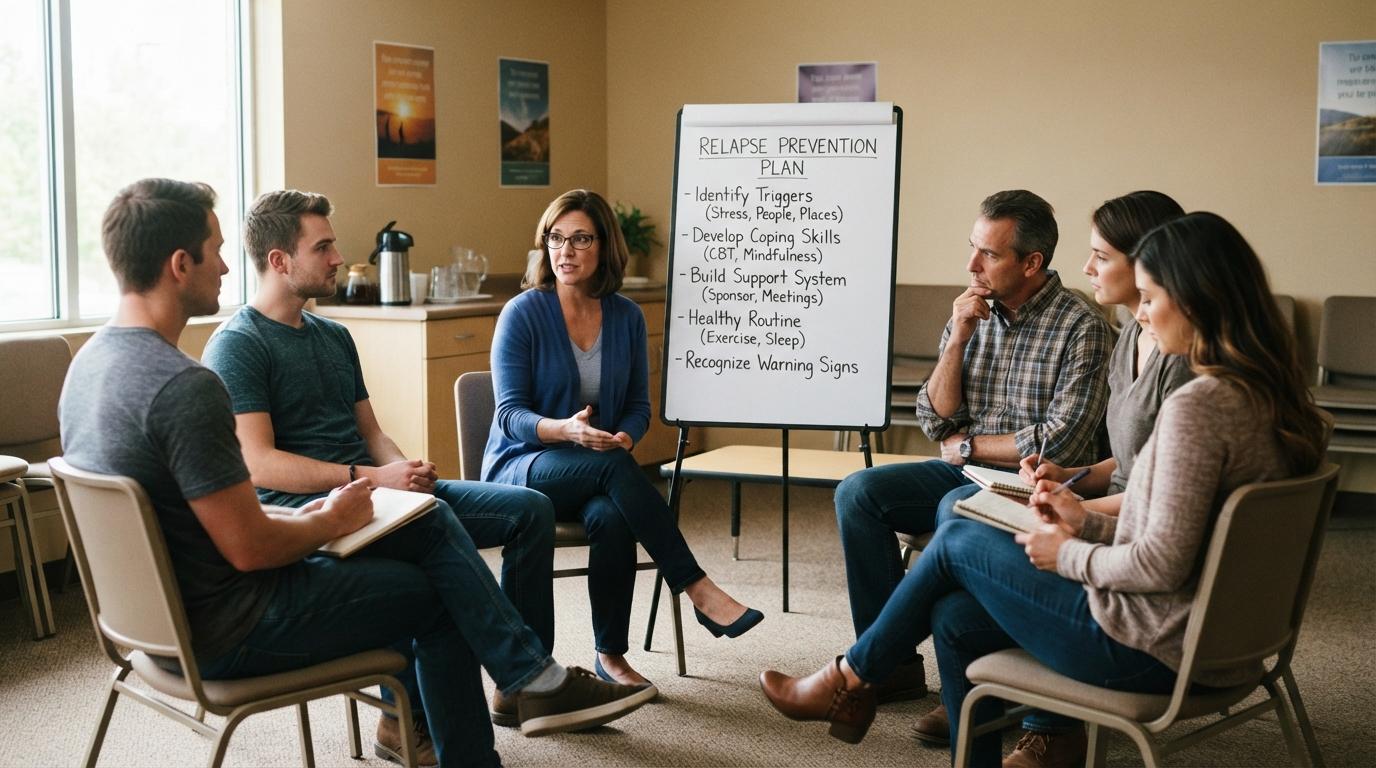
Recovery from substance use is an ongoing process. Completing detox or an initial treatment program can be an important step, but maintaining progress often requires continued support, healthy coping strategies, and a plan for handling challenges that may arise along the way.
Relapse prevention focuses on identifying situations that may increase the risk of returning to substance use and developing practical ways to respond to them. It can help individuals recognize warning signs, manage cravings, strengthen support systems, and stay connected to recovery resources.
At Dunwoody Recovery Place, relapse prevention is incorporated into ongoing recovery support and aftercare planning to help individuals prepare for life beyond intensive treatment.
What Is Relapse Prevention?
Relapse prevention is a structured approach to maintaining recovery by identifying potential triggers, recognizing warning signs, and developing strategies for managing difficult situations.
Triggers can be emotional, social, environmental, or related to daily routines. A stressful situation, certain people or places, loneliness, or memories associated with previous substance use may affect someone differently depending on their individual history.
Relapse-prevention planning helps people prepare for these situations rather than waiting until a crisis occurs. SAMHSA describes relapse-prevention training as including trigger identification, coping with cravings, planning for stressful situations, and knowing what steps to take if substance use occurs again.
Recovery is not necessarily a straight line. If someone returns to substance use, it does not mean that their previous progress was meaningless or that treatment has failed. It may indicate that their current recovery plan needs additional support or adjustment. SAMHSA emphasizes that substance use disorder treatment can be ongoing and adapted to an individual's needs.
Why Is Relapse Prevention Important in Recovery?
Relapse prevention can give individuals a practical framework for dealing with challenges that may affect recovery.
A personalized plan may help someone:
-
Recognize personal triggers and high-risk situations
-
Prepare for difficult emotions or stressful circumstances
-
Develop healthier coping strategies
-
Maintain supportive recovery routines
-
Stay connected with family, peers, counselors, or support groups
-
Identify when additional professional support may be appropriate
-
Continue working toward individual recovery goals
The purpose is not to predict every challenge. Instead, it is to build awareness and preparation so that difficult moments can be addressed with healthier responses.
Common Relapse Triggers
Triggers are different for everyone. Understanding personal patterns can make it easier to recognize situations that may require additional support.
Emotional Triggers
Stress, anxiety, anger, sadness, loneliness, frustration, and other difficult emotions can sometimes increase cravings or make healthy decision-making harder.
Learning to recognize these emotional patterns can help individuals respond before distress becomes overwhelming.
Environmental and Social Triggers
Certain people, locations, activities, or social situations may be associated with previous substance use. For some individuals, returning to an old environment or spending time around people who actively use substances may create additional challenges.
A relapse-prevention plan can help someone identify these circumstances and consider healthier alternatives.
Physical and Lifestyle Factors
Exhaustion, disrupted sleep, poor routines, and prolonged stress can make it harder to cope with emotional challenges.
Building consistent routines around sleep, nutrition, physical activity, hobbies, and other healthy activities can provide structure during recovery. SAMHSA also recommends practical self-care strategies such as maintaining routines, physical activity, hobbies, and connecting with supportive people.
Warning Signs of Potential Relapse
Warning signs vary from person to person. Recognizing changes early can provide an opportunity to seek additional support.
Potential warning signs may include:
-
Increasing or persistent cravings
-
Pulling away from supportive people
-
Returning to environments associated with previous substance use
-
Losing interest in recovery activities
-
Increasing stress or emotional distress
-
Romanticizing past substance use
-
Stopping healthy coping practices
-
Avoiding therapy, counseling, or other recovery supports
-
Returning to old routines that previously contributed to substance use
A warning sign does not automatically mean that relapse will occur. It can simply be an indication that someone may benefit from reconnecting with their recovery plan or support network.
Relapse Prevention Strategies
Identify Personal Triggers
One of the first steps in relapse prevention is understanding what situations, emotions, thoughts, or behaviors have previously contributed to substance use.
Keeping track of patterns can help individuals recognize circumstances that deserve additional attention. A therapist or treatment professional can also help identify patterns that may be difficult to recognize independently.
Build Healthy Coping Skills
Healthy coping strategies provide alternatives when stress, cravings, or difficult emotions arise.
Depending on individual preferences and treatment recommendations, these may include mindfulness, physical activity, hobbies, relaxation techniques, creative activities, structured routines, or spending time with supportive people.
The goal is not to eliminate every uncomfortable feeling. It is to develop safer and more sustainable ways of responding to discomfort.
Create a Support Network
Recovery does not have to happen in isolation. Trusted family members, friends, peers, therapists, counselors, support groups, and other treatment professionals can provide encouragement and accountability.
SAMHSA emphasizes the value of connection and peer support as part of the recovery process.
Develop an Action Plan
A relapse prevention plan can identify what someone should do when cravings or high-risk situations arise.
The plan may include trusted people to contact, recovery meetings or counseling resources to use, healthy activities to turn to, and professional treatment contacts to reach if additional help is needed.
Having these steps identified in advance can make it easier to act when emotions are intense.
Relapse Prevention Therapy and Counseling
Professional counseling can be an important part of addiction relapse prevention. Therapy can help individuals examine patterns associated with substance use, develop coping skills, address emotional challenges, and strengthen recovery goals.
Approaches may include:
-
Cognitive Behavioral Therapy (CBT): Helps individuals recognize connections between thoughts, feelings, and behaviors and develop healthier responses.
-
Dialectical Behavior Therapy (DBT): Teaches practical skills for emotional regulation, distress tolerance, mindfulness, and interpersonal effectiveness.
-
Individual therapy: Provides a confidential setting for addressing personal recovery challenges.
-
Group therapy: Offers opportunities to learn from others experiencing similar recovery challenges.
-
Family support: Can help strengthen communication and supportive relationships.
Dunwoody Recovery Place currently offers individual therapy, group therapy, CBT, DBT, trauma therapy, experiential therapy, and other behavioral health services.
Relapse Prevention After Detox or Residential Treatment
Detox addresses the immediate process of stopping substance use and managing withdrawal. It is different from the longer-term work of addiction treatment and relapse prevention.
After completing detox or residential treatment, continued care may help individuals transition into everyday life while maintaining recovery routines.
Depending on individual needs, continuing-care options may include:
-
Partial hospitalization
-
Intensive outpatient treatment
-
Outpatient counseling
-
Individual therapy
-
Group support
-
Recovery planning
-
Aftercare services
The appropriate level of care depends on factors such as substance use history, mental health needs, current stability, available support, and clinical assessment.
Dunwoody Recovery Place provides addiction treatment along with services designed to support recovery beyond the initial phase of care.
Its Aftercare Planning program focuses on creating individualized plans that can include therapy, support groups, 12-Step meetings, and other resources for continued recovery.
What Happens If a Relapse Occurs?
A return to substance use should be taken seriously, but it should not be treated as a moral failure.
Relapse can be a signal that someone's current recovery plan needs to be reassessed. Reaching out to a treatment professional promptly can help determine what additional support or level of care may be appropriate.
For people who use opioids, there is an additional safety concern. After a period without opioid use, tolerance can decrease. Returning to a previously tolerated amount can therefore increase the risk of overdose.
If opioid use resumes after a period of abstinence, seeking professional help and learning about overdose prevention, including naloxone availability, can be important. Medication-based treatment is also an evidence-based component of care for opioid use disorder when clinically appropriate.
Relapse Prevention in Dunwoody, GA
Dunwoody Recovery Place provides substance use treatment and recovery support for individuals in Dunwoody and the greater Atlanta area.
Its current services include Relapse Prevention and Aftercare Planning, along with individual and group therapy, CBT, DBT, 12-Step Fellowships, case management, and other supportive services.
Relapse prevention can be incorporated into an individualized recovery plan based on a person's needs, challenges, and goals. Rather than treating recovery as something that ends when an initial program is completed, continuing support can help individuals prepare for the realities of returning to everyday life.
For individuals who may benefit from a more structured setting, residential treatment can provide a different level of support during recovery. The appropriate level of care should be determined according to individual circumstances and professional assessment.
FAQs About Relapse Prevention
What is relapse prevention?
Relapse prevention is an ongoing approach to recovery that focuses on identifying triggers and warning signs while developing coping strategies, support systems, and plans for handling situations that could increase the risk of returning to substance use.
What are common relapse triggers?
Common triggers can include stress, difficult emotions, certain people or places, social situations connected with past substance use, cravings, disrupted routines, and other personal circumstances. Triggers differ from person to person.
How can I recognize potential warning signs of relapse?
Warning signs may include increasing cravings, withdrawing from supportive people, returning to old routines, romanticizing previous substance use, increased emotional distress, or disengaging from recovery activities. Recognizing these changes early can create an opportunity to seek support.
Can therapy help with relapse prevention?
Yes. Counseling and behavioral therapies can help individuals understand patterns associated with substance use, develop coping skills, manage triggers, and strengthen recovery plans. CBT, DBT, individual therapy, and group therapy may be incorporated depending on individual needs.
What should I do if I experience a relapse?
Reach out for support as soon as possible rather than responding with shame or isolation. A treatment professional can help reassess the current recovery plan and determine whether additional counseling, treatment, or another level of care may be appropriate. If opioid use resumes after a period of abstinence, remember that reduced tolerance can increase overdose risk.
Take the Next Step in Recovery
Relapse prevention is not about expecting perfection. It is about preparation, awareness, healthy coping, and knowing where to turn when recovery becomes challenging.
Whether you are completing intensive treatment, working through ongoing recovery, or looking for additional support after a setback, professional guidance can help you understand your options.
If you are exploring Relapse Prevention in Dunwoody, GA, contact Dunwoody Recovery Place to learn more about relapse-prevention services, aftercare planning, and continuing-care options. A member of the team can explain available programs and help you understand the next steps without pressure.

 English
 Arabic
 Spanish
 Portuguese
 Deutsch
 Turkish
 Dutch
 Italiano
 Russian
 Romaian
 Portuguese (Brazil)
 Greek