


Who Can Consider PRP Knee Injections in Dubai?
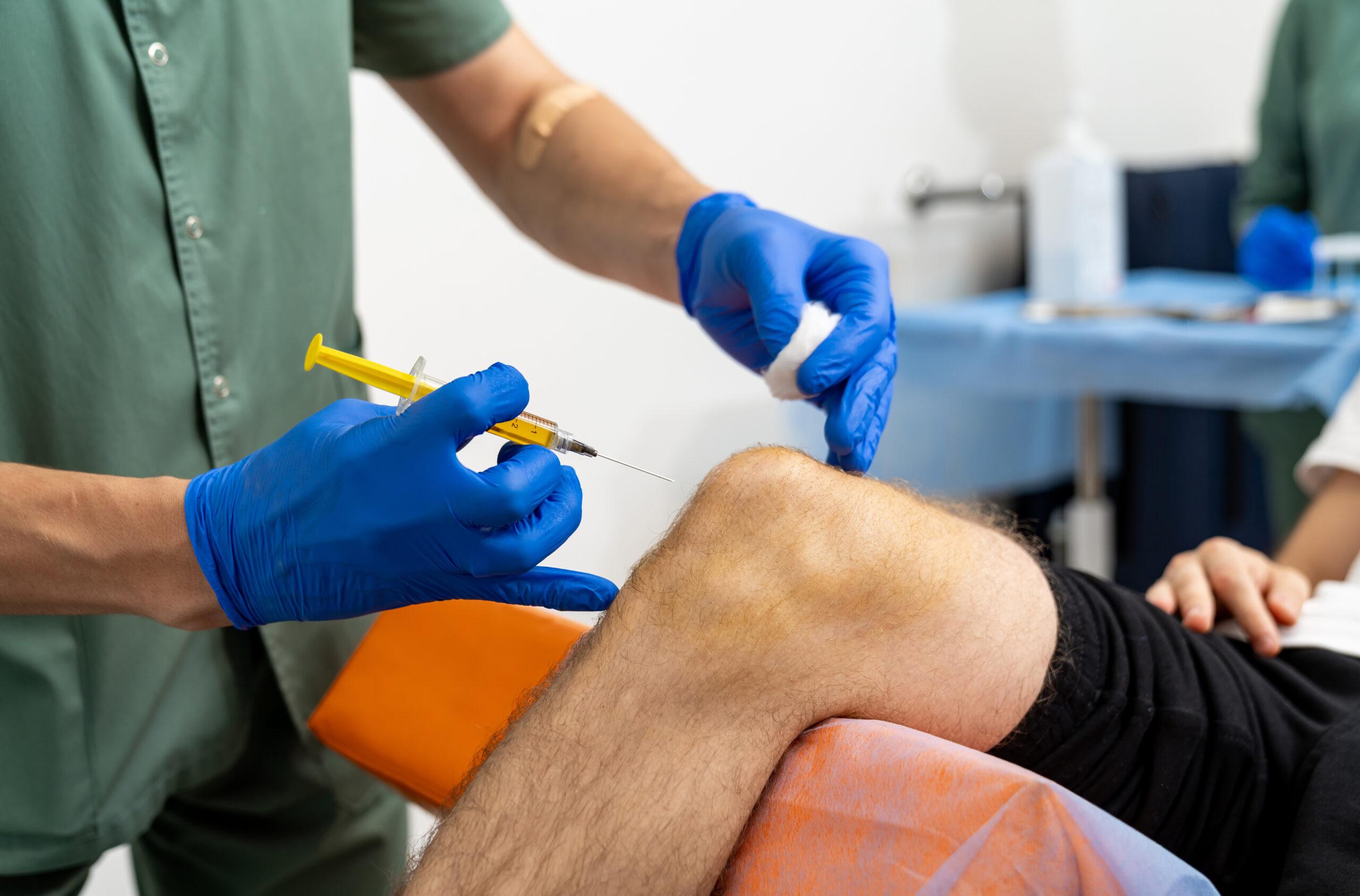
PRP Knee injections in Dubai may be considered by people experiencing certain types of knee pain, joint discomfort, or musculoskeletal problems who are exploring non-surgical treatment options. Because knee symptoms can have many different causes, PRP is not automatically suitable for everyone. Understanding the types of conditions and individual factors that may make this treatment worth considering can help set realistic expectations.
What Is PRP Knee Treatment?
PRP, or platelet-rich plasma, is prepared using a small sample of the patient's own blood. The sample is processed to concentrate platelets and other plasma components before being injected into a targeted area of the knee.
Platelets are naturally involved in tissue repair and other biological processes. PRP treatment aims to concentrate these components and introduce them into a specific area where they may support the body's natural healing environment.
The treatment is non-surgical, but that does not mean it is appropriate for every knee condition.
People With Certain Types of Knee Pain
People experiencing persistent knee pain may consider PRP after the underlying cause has been identified. Knee discomfort can result from osteoarthritis, sports injuries, tendon problems, overuse, or other musculoskeletal conditions.
PRP may be discussed when symptoms are affecting daily activities or physical movement and a non-surgical approach is being considered.
The source of the pain remains important because PRP is not designed to treat every possible cause of knee discomfort.
People With Knee Osteoarthritis
Knee osteoarthritis is one of the conditions frequently associated with PRP research. It involves changes to the joint that can affect cartilage and surrounding structures.
Some individuals with osteoarthritis explore PRP as part of their symptom-management strategy. Research has examined whether PRP can help improve pain and function, although results vary according to factors such as disease severity and treatment protocol.
People with advanced joint changes may have different treatment considerations from those with earlier-stage symptoms.
Active People With Sports-Related Knee Problems
Athletes and physically active individuals may experience knee discomfort caused by repetitive loading, overuse, or certain sports injuries. Depending on the diagnosis, PRP may be considered as part of a broader recovery strategy.
Treatment suitability depends on the specific tissue involved and the severity of the injury. Some injuries require rehabilitation or other interventions rather than injection-based treatment alone.
When appropriate, PRP may be combined with gradual exercise progression and physical rehabilitation.
People Looking for a Non-Surgical Approach
Some individuals explore PRP because they want to consider non-surgical options before moving toward more invasive treatments. Since PRP involves blood collection and injection rather than an operation, the recovery process is generally different from surgical knee procedures.
However, choosing a non-surgical treatment does not guarantee that surgery will never be required. The appropriate approach depends on the underlying condition and how it responds to treatment.
People With Realistic Treatment Expectations
A suitable candidate for PRP should understand that results can vary. PRP is not a guaranteed method for eliminating knee pain or restoring severely damaged joint structures.
Potential improvements may develop gradually rather than immediately. Some people may experience meaningful symptom relief, while others may have limited results.
Understanding the potential benefits and limitations before treatment can help prevent unrealistic expectations.
Factors That May Affect Suitability
Several personal factors may influence whether PRP is appropriate. The type and severity of knee condition, overall health, previous treatment history, medications, activity level, and individual treatment goals can all be relevant.
The condition of the knee itself is particularly important. A treatment designed to support biological healing may not address every type of structural problem.
A detailed assessment can help determine whether PRP is a reasonable option to discuss.
When PRP May Not Be Appropriate
PRP may not be suitable for everyone. Certain medical conditions, active infections, significant structural damage, blood-related concerns, or other individual circumstances may require different treatment approaches.
People with severe knee problems may need additional evaluation before considering an injection-based treatment.
This is why treatment decisions should be based on an individual's diagnosis and circumstances rather than on general claims about PRP.
What Can You Expect Before Treatment?
Before PRP treatment, relevant information about your knee symptoms and medical history may be reviewed. Previous injuries, medications, supplements, allergies, and earlier treatments can all be important.
The knee may also be assessed to understand the location and potential cause of the symptoms. This information helps determine whether PRP is compatible with the treatment objectives.
Preparing questions about expected results, recovery, activity restrictions, and alternative options can also help you understand the treatment more clearly.
What Happens After PRP Treatment?
After the injection, temporary soreness, swelling, or tenderness may occur. Recovery experiences differ depending on the individual and the condition being treated.
Activity may need to be modified for a short period, followed by a gradual return to normal movement and exercise according to the recommended recovery plan.
Results are generally not assessed immediately because any potential improvement may take several weeks to become noticeable.
Final Thoughts
PRP Knee injections in Dubai may be considered by people with certain knee conditions who are exploring a non-surgical approach to symptom management. Individuals with appropriate types of knee pain, selected cases of osteoarthritis, or certain sports-related problems may discuss PRP as part of their treatment options.
The most important consideration is whether the treatment matches the underlying knee condition and personal goals. TAJMEELS CLINIC provides PRP treatment options for individuals seeking further information about knee pain management and platelet-rich plasma therapy.

 English
 Arabic
 French
 Spanish
 Portuguese
 Turkish
 Dutch
 Italiano
 Russian
 Romaian
 Portuguese (Brazil)
 Greek