


What Should Buyers Check When Ordering from relayfactory?
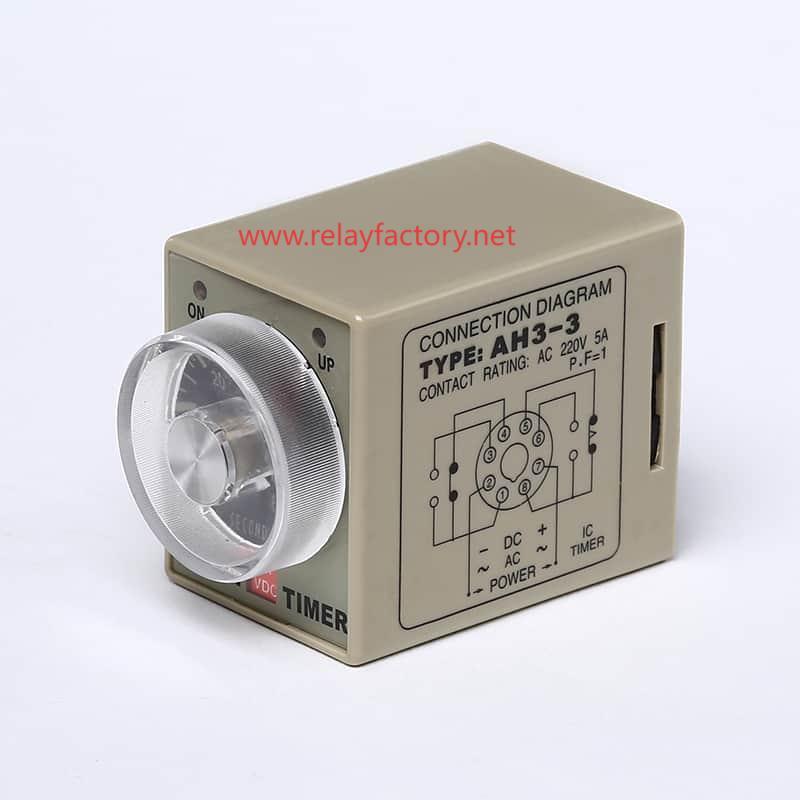
Custom Time Relay can support different industrial control sequences, but selecting a suitable model requires careful attention to timing functions, electrical specifications, and installation requirements. Buyers should define their application needs before requesting a quotation to help avoid specification gaps during equipment integration. As a manufacturer serving industrial customers, relayfactory provides timing control products for machinery, electrical panels, and OEM equipment projects.
Define the Required Timing Function
Start by identifying the task the component must perform within the control circuit. Some machines need a delay before starting, while other systems require an output to remain active for a defined period after an input signal ends.
For example, a packaging machine may need a timed pause between operating stages, while a ventilation system may continue running briefly after a control signal changes. These applications require different sequences, so buyers should describe the intended operation before selecting a model.
The required delay range should also be confirmed. Fixed timing may suit equipment with an established operating cycle, whereas adjustable settings can provide flexibility during commissioning. Buyers should consider whether technicians need to modify the setting after installation and how the adjustment will be managed.
A simple control diagram or written sequence can help the manufacturer understand the intended application and assess the available product options.
Verify Electrical Specifications
Supply voltage is a key specification to confirm before ordering. Buyers should identify the required voltage and whether the control circuit uses AC or DC power. The selected product must be compatible with the equipment's electrical design.
Contact configuration also needs attention. The number of contacts and their switching arrangement should match the control logic. Buyers should check rated voltage and current against the connected load rather than relying on a general product description.
Different loads can create different switching conditions. A contactor coil, indicator, and motor-related circuit may have distinct electrical characteristics. Where inductive loads or frequent switching are involved, buyers should discuss the application with the manufacturer and confirm whether additional circuit protection is appropriate.
Requesting a wiring diagram and terminal layout before placing an order can help engineers verify connection requirements and plan the assembly process.
Check Dimensions and Mounting Options
Physical compatibility matters when installing a timing component in an existing machine or a new control cabinet. Buyers should confirm the overall dimensions, mounting method, terminal positions, and clearance available for wiring.
For a new equipment design, engineers can compare product dimensions with cabinet drawings before finalizing the layout. For replacement projects, photographs and measurements of the existing installation may help identify space limitations.
Mounting requirements can vary by application. Some systems use rail-mounted arrangements, while others require panel installation or a compatible socket. The appropriate configuration depends on the equipment structure and the maintenance process.
Terminal access should also be reviewed. Technicians need sufficient space to connect wires, inspect connections, and adjust settings where necessary. Confirming these details early can reduce unexpected modifications during assembly.
Evaluate Environmental Conditions
The working environment can influence product suitability. Industrial equipment may operate in areas exposed to elevated temperatures, vibration, dust, humidity, or frequent operating cycles.
Buyers should explain the expected conditions when requesting technical information. For example, a component installed near a heating element may experience different temperatures from one mounted in a ventilated cabinet. The enclosure design and surrounding equipment can also affect operating conditions.
Vibration and installation stability are relevant for machinery used in production environments. Buyers should confirm the mounting arrangement and follow the manufacturer's instructions for installation and maintenance.
Operating frequency is another factor worth discussing. A system that switches occasionally may have different demands from equipment that runs repeated cycles throughout a working shift. Providing realistic operating details helps the manufacturer assess the application against the available specifications.
Prepare Customization Requirements for OEM Projects
OEM buyers often need components that fit an established product design. Their requirements may include a particular delay range, terminal arrangement, mounting dimension, adjustment method, label, or packaging format.
A specification sheet can make these requirements easier to review. Include the intended function, voltage, contact configuration, load type, installation dimensions, and environmental conditions. List additional requests separately so the manufacturer can assess them during technical discussions.
Buyers should also confirm sample availability, order quantities, inspection arrangements, documentation, and expected production schedules. For a new machine, evaluating a sample before placing a larger order can help engineers check dimensions and connections within the actual assembly.
Before production begins, review the quotation and technical documentation to ensure that the agreed configuration matches the project requirements. Clear written specifications can reduce misunderstandings between purchasing, engineering, and manufacturing teams.
relayfactory provides product information and supports discussions about timing control requirements for different equipment projects. Buyers can use these discussions to compare available configurations and clarify technical details before making a purchasing decision.
Prepare Questions Before Requesting a Quotation
A useful inquiry should explain the intended application rather than ask only for a price. Buyers can prepare a checklist covering the following points:
What timing function and delay range are required?
Which supply voltage and contact ratings are needed?
What type of load will be switched?
Which mounting dimensions and terminal arrangements are suitable?
What environmental conditions will affect operation?
Are samples, customized details, or specific documents required?
If some specifications are not yet finalized, identify the open items and explain the equipment's intended operation. This gives the manufacturer a clearer basis for discussing suitable options and determining which details need confirmation.
Before approving an order, review the product configuration, wiring information, technical datasheet, quantity, and delivery schedule. These checks help ensure that all parties understand the requirements and can plan the next steps accordingly.For equipment manufacturers and purchasing teams seeking timing control products for machinery, panels, and OEM applications, preparation makes supplier communication more straightforward. Visit https://www.relayfactory.net/ to review available products from relayfactory and discuss your technical requirements before requesting a quotation.

 English
 Arabic
 French
 Spanish
 Portuguese
 Deutsch
 Turkish
 Dutch
 Russian
 Romaian
 Portuguese (Brazil)
 Greek