


Normal C-Reactive Protein Blood Test Levels: What Is the Healthy Range?
Understanding your blood test results can help you make informed decisions about your health. If your laboratory report includes a C-reactive protein (CRP) level, you may wonder whether your result is normal, what the healthy range should be, and whether a slightly elevated value indicates a medical problem.
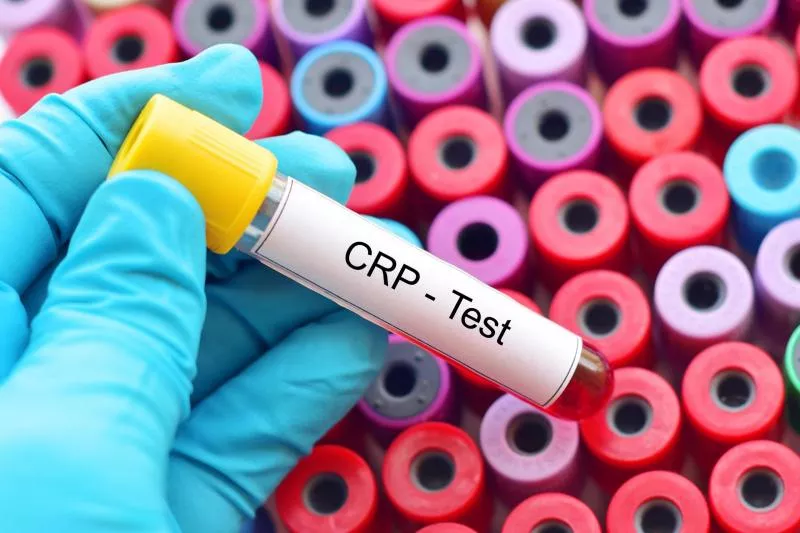
A C-Reactive Protein Blood Test in Dubai measures the amount of CRP in your bloodstream. This protein is produced mainly by the liver in response to inflammation. Doctors use the test to help evaluate infections, inflammatory conditions, and certain other health concerns. It can also help monitor changes in inflammation over time.
However, there is no single CRP number that determines whether someone is completely healthy. The interpretation depends on the type of test, the laboratory's reference range, your symptoms, and your medical history.
This guide explains normal CRP blood test levels, what elevated results may mean, how standard CRP differs from high-sensitivity CRP, and when you should discuss your results with a healthcare professional.
What Is the Normal CRP Level in a Healthy Person?
For a standard C-reactive protein blood test, a level below approximately 5 milligrams per liter (mg/L) is often considered within the normal reference range. However, some laboratories use different limits, so you should always check the reference interval printed on your report.
CRP is a marker of inflammation rather than a direct measurement of overall health. A result within the normal range generally suggests that there is no substantial increase in this inflammatory marker at the time of testing.
It does not necessarily mean that inflammation is completely absent. Some medical conditions produce only small changes in CRP, and certain inflammatory diseases can occur with normal results.
Likewise, a slightly elevated result does not automatically indicate a serious illness. Recent infections, injuries, and other temporary inflammatory responses may increase CRP levels.
The healthiest interpretation is one that considers your actual result alongside your symptoms and clinical circumstances, rather than relying on a number alone.
CRP Blood Test Normal Range Chart:
The following chart provides a general guide to interpreting standard CRP levels. These categories are approximate and are not universal diagnostic thresholds.
| Standard CRP level | General interpretation |
|---|---|
| Below 5 mg/L | Often within the usual reference range |
| 5–10 mg/L | May be normal or mildly elevated, depending on the laboratory |
| 10–40 mg/L | May indicate an inflammatory response requiring clinical interpretation |
| 40–100 mg/L | May occur with more substantial inflammation or certain infections |
| Above 100 mg/L | Often associated with a pronounced inflammatory response and warrants timely medical assessment |
These ranges must be interpreted cautiously. CRP levels overlap among different conditions, and the same result may have different implications depending on the person.
For example, a CRP level of 8 mg/L may be considered slightly elevated by one laboratory but fall within another laboratory's reference interval. A result of 50 mg/L may indicate substantial inflammation, but it cannot independently establish whether the cause is an infection, tissue injury, or an inflammatory disease.
If your CRP level is outside the laboratory's stated range, your healthcare provider can determine whether further testing is necessary.
Why Do Doctors Measure C-Reactive Protein Levels?
CRP testing helps healthcare professionals assess whether inflammation may be contributing to a person's symptoms.
When the immune system responds to an infection, tissue damage, or certain diseases, the liver can increase CRP production. The level may rise within hours of an inflammatory trigger and change as the underlying condition develops or improves.
Doctors may order a CRP blood test for several reasons.
To Investigate Possible Infections
A CRP test may support an evaluation when someone has a persistent fever, worsening symptoms, or signs of a suspected infection. It is often interpreted alongside a complete blood count (CBC), cultures, and other investigations.
However, CRP cannot confirm that an infection is bacterial or identify the organism responsible. Viral infections and noninfectious inflammatory conditions can also raise CRP levels.
To Evaluate Inflammatory Diseases
Conditions such as rheumatoid arthritis, inflammatory bowel disease, and certain forms of vasculitis may increase CRP. Doctors may use the result to assess inflammatory activity and monitor changes over time.
A normal CRP result does not exclude every inflammatory or autoimmune disease.
To Monitor Treatment Response
If you are being treated for an infection or inflammatory condition, repeat CRP testing may help your doctor assess whether inflammation is decreasing.
A falling level may suggest improvement, while a persistently elevated or rising level may prompt further evaluation. The result should always be considered alongside symptoms and other clinical findings.
What Does a Slightly Elevated CRP Level Mean?
A mildly elevated CRP result can occur for several reasons. It does not automatically mean that you have a serious infection or chronic disease.
Possible explanations include:
-
A recent cold or other minor infection
-
Recovery from an injury or surgical procedure
-
Ongoing inflammatory conditions
-
Obesity or smoking, which may be associated with higher background inflammation
-
Other medical conditions that affect the body's inflammatory response
The significance of a small increase depends on whether you have symptoms and whether the result is temporary or persistent.
For example, a mildly elevated CRP measured shortly after an illness may return toward the normal range as you recover. If the level remains elevated without an obvious explanation, your doctor may review your medical history and consider additional investigations.
Do not assume that a mildly elevated result is harmless or serious without considering the wider clinical picture.
High CRP Levels: When Should You Be Concerned?
A substantially elevated CRP level may indicate a pronounced inflammatory response. Possible causes include certain bacterial infections, significant tissue injury, and active inflammatory diseases.
However, CRP is a nonspecific marker. The level alone cannot determine the exact cause, identify the location of inflammation, or measure the severity of every underlying condition.
Your doctor may interpret a high result alongside:
-
Fever, chills, or other infection symptoms
-
Joint swelling, stiffness, or pain
-
White blood cell counts and other blood test findings
-
Recent surgery, injury, or medical treatment
-
Results from cultures, imaging, or other diagnostic tests
A very high CRP level, particularly when accompanied by fever or worsening symptoms, deserves prompt medical assessment. Seek urgent care if you experience confusion, difficulty breathing, fainting, severe weakness, or rapidly worsening illness, regardless of your CRP result.
Standard CRP vs. High-Sensitivity CRP: Why the Healthy Range Differs
One common source of confusion is the difference between a standard CRP blood test and a high-sensitivity CRP test.
Both measure C-reactive protein, but they are used for different clinical purposes.
Standard CRP testing is commonly used to help evaluate inflammation associated with infections, tissue damage, and inflammatory diseases.
High-sensitivity CRP (hs-CRP) testing can detect lower concentrations of CRP and may help assess cardiovascular risk in selected individuals.
For cardiovascular risk assessment, hs-CRP results are sometimes grouped into these categories:
| hs-CRP level | General cardiovascular risk interpretation |
|---|---|
| Below 1 mg/L | Lower relative risk category |
| 1–3 mg/L | Intermediate relative risk category |
| Above 3 mg/L | Higher relative risk category |
These are traditional risk categories, not universal treatment thresholds. They apply to cardiovascular risk assessment rather than the interpretation of a standard CRP test for acute inflammation.
An infection or other temporary inflammatory condition can raise hs-CRP, potentially making the result unsuitable for estimating your usual cardiovascular risk. Your healthcare provider may recommend testing when you are clinically stable and may repeat the measurement if appropriate.
An hs-CRP test does not diagnose a heart attack and should not replace an overall cardiovascular risk assessment.
Can You Have Inflammation With a Normal CRP Level?
Yes. Although CRP is useful for detecting many inflammatory responses, it does not identify every case of inflammation.
A normal result may occur when:
-
The test is performed early in the course of an illness.
-
Inflammation is mild or localized.
-
The underlying condition does not consistently increase CRP.
-
Treatment has reduced the inflammatory response.
For example, some people with lupus or inflammatory arthritis may have significant symptoms despite a normal CRP level.
If you have persistent joint pain, unexplained fever, ongoing swelling, or other concerning symptoms, your doctor may recommend further investigation even when your CRP is normal.
Other tests, including an erythrocyte sedimentation rate (ESR), disease-specific antibody tests, or imaging, may provide additional information when clinically appropriate.
How to Support Healthy Inflammation Levels?
There is no single lifestyle change that guarantees a normal CRP result. The best approach depends on the reason your level is elevated.
However, certain habits can support general health and may help reduce chronic low-grade inflammation:
-
Eat a balanced diet: Include vegetables, fruit, whole grains, legumes, nuts, and other nutrient-rich foods.
-
Stay physically active: Regular exercise supports cardiovascular health and metabolic function.
-
Avoid smoking: Smoking is associated with inflammation and several chronic diseases.
-
Maintain a healthy weight: If appropriate for your circumstances, gradual weight management may improve metabolic health.
-
Prioritize sleep: Consistent, adequate sleep supports general well-being.
-
Manage existing conditions: Follow your clinician's treatment plan for diagnosed inflammatory or other chronic diseases.
These measures do not replace medical evaluation. If an infection or another condition is causing an elevated CRP, treating the underlying problem is more important than trying to lower the number through lifestyle changes alone.
How to Prepare for a CRP Blood Test?
A standard CRP blood test usually requires a small blood sample taken from a vein in your arm. The procedure typically takes only a few minutes.
Fasting is generally not required for a CRP test alone, although it may be necessary if other blood tests are being performed at the same time.
Before your appointment, tell your healthcare provider about your medications, recent infections, injuries, and ongoing medical conditions. Do not stop prescribed medication without medical advice.
When reviewing your report, check the test name, units, measured value, and laboratory reference range. If the result is abnormal, ask whether it should be repeated or evaluated alongside other tests.
Frequently Asked Questions About Normal CRP Levels:
Is a CRP level below 5 mg/L normal?
A standard CRP level below approximately 5 mg/L is often considered normal, but reference ranges vary by laboratory. Always compare your result with the range printed on your report.
Does a normal CRP result mean I am healthy?
Not necessarily. A normal result suggests there may not be a substantial increase in this inflammatory marker, but it cannot rule out every infection, autoimmune condition, or other health problem.
Can stress increase CRP levels?
Psychological stress may be associated with inflammatory changes, but an elevated CRP should not automatically be attributed to stress. Other possible causes should be considered.
How long does CRP take to return to normal?
CRP often decreases as inflammation resolves, but the time required varies. It may decline over several days after an acute inflammatory trigger improves, while ongoing conditions can keep levels elevated.
Final Thoughts:
Normal C-reactive protein blood Lab tests levels provide useful information about your body's inflammatory response, but they are only one part of a complete health assessment. A standard CRP level below approximately 5 mg/L is often within the normal range, while higher values may indicate inflammation that requires interpretation.
The meaning of your result depends on the laboratory reference range, the type of CRP test performed, your symptoms, and your medical history. Neither a normal nor an elevated result can independently confirm or exclude a specific disease.
If your CRP result is abnormal or you have persistent symptoms, consult a qualified healthcare professional to understand the findings and determine whether additional testing is needed.

 English
 Arabic
 French
 Spanish
 Portuguese
 Turkish
 Dutch
 Italiano
 Russian
 Romaian
 Portuguese (Brazil)
 Greek