


How Long Does an MRSA Screening Test Take to Process?
Waiting for a medical test result can be stressful, especially when you need an answer before surgery, hospital admission, or another healthcare appointment. If you have been asked to undergo an MRSA screening test, one of your first questions may be how long the test takes to process and when you can expect your report.
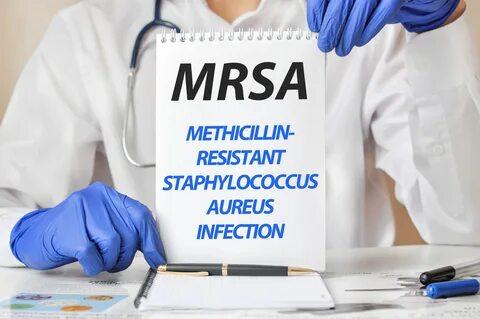
MRSA Screening Test in Dubai stands for methicillin-resistant Staphylococcus aureus, a type of bacteria that is resistant to certain antibiotics. An MRSA screening test checks whether the bacteria are present at the body site being sampled, commonly inside the nose. Some people carry MRSA without symptoms, while others may develop an infection.
In many cases, MRSA screening results are available within one to three days, although some laboratories may take around three to four days. Rapid molecular tests, including certain PCR tests, can sometimes produce results within hours. The actual turnaround time depends on the testing method, laboratory schedule, specimen quality, and whether further testing is required.
Here is how the process works, what can affect the waiting period, and what to do while your results are being processed.
The MRSA Testing Timeline: From Swab to Final Report
An MRSA screening test involves several stages. Although collecting the sample is usually quick, laboratory processing takes longer because technicians must examine the specimen using an appropriate testing method.
Stage 1: Sample collection
The process usually begins with a healthcare professional collecting a sample using a sterile swab. The inside of the nose is a common sampling site, but a clinician may request additional swabs from the throat, skin folds, groin, or another appropriate location.
Collection generally takes only a few minutes. A nasal swab may cause mild tickling or temporary discomfort, but it does not usually require recovery time.
Stage 2: Transport and laboratory registration
After collection, the specimen is labelled and prepared for transport to the laboratory. Once it arrives, laboratory staff register the sample and check that it is suitable for testing.
The time required for this stage varies. A specimen collected at a healthcare facility with an on-site laboratory may enter processing sooner than one transported to an external laboratory.
Stage 3: Laboratory analysis
The laboratory then uses a method designed to detect MRSA. This may involve growing bacteria in culture or using a molecular technique such as polymerase chain reaction (PCR).
This is usually the most important part of the processing timeline. Culture testing needs time for bacterial growth and identification, while molecular testing can often detect relevant genetic markers more quickly.
Stage 4: Result review and reporting
Once the analysis is complete, the laboratory records the findings and releases the report according to its procedures. The result may be available before a clinician has reviewed it or contacted you, so laboratory completion and communication with the patient are not always simultaneous.
If your test is connected to surgery or a planned hospital admission, ask the relevant healthcare team when the result must be available.
Culture vs PCR: Which MRSA Screening Method Is Faster?
The method used by the laboratory is one of the biggest factors affecting MRSA test turnaround time.
| Testing method | Typical processing timeframe | How it works |
|---|---|---|
| Culture-based screening | Often around 24–72 hours; some laboratories take three to four days | Allows bacteria to grow so they can be identified and assessed for antibiotic resistance |
| Rapid molecular testing, such as PCR | May provide results in approximately one to two hours once testing begins | Detects genetic markers associated with MRSA |
| Additional or follow-up testing | Varies according to the findings | May be needed to clarify an unexpected result or provide further information |
These are general estimates rather than guaranteed reporting times. A published laboratory directory, for example, lists an MRSA culture and sensitivity turnaround of 24–48 hours, while other laboratory services list approximately three to four days for MRSA colonization screening culture. The availability of rapid molecular testing also varies between facilities.
Why does culture testing take longer?
In culture-based MRSA screening, the specimen is placed in conditions that support bacterial growth. If bacteria are present, the laboratory examines the growth and performs the necessary identification and resistance assessment.
Some samples require additional incubation or further laboratory work before a final result can be reported. Culture also has the advantage of producing a bacterial isolate that can be used for further identification or testing when needed.
Why can PCR give faster results?
PCR detects specific genetic material associated with MRSA rather than waiting for bacteria to grow. When a suitable molecular test is available and running, the analytical process can be much quicker than conventional culture. However, equipment availability, laboratory workload, specimen handling, and confirmatory procedures may still affect the final reporting time.
A faster test is not automatically the best choice for every situation. Healthcare professionals select a method according to the clinical purpose, required information, and available laboratory services.
Five Reasons Your MRSA Test Result May Take Longer:
Even when a laboratory gives an expected turnaround time, the report may take longer than anticipated. Several practical factors can influence the process.
1. The laboratory does not process every sample immediately. Specimens may arrive outside routine processing hours, or testing may be scheduled in batches. A rapid test does not necessarily mean an immediate result if the sample has to wait for the next available run.
2. The sample must be transported. If the specimen is sent to another facility, transportation and receiving procedures can add time before analysis begins.
3. Multiple body sites are being screened. A healthcare professional may request more than one swab. Each specimen must be labelled, handled, and processed appropriately, which can affect when all results are ready.
4. Further analysis is required. A preliminary finding may need confirmation, additional identification, or susceptibility testing. These steps can extend turnaround time, particularly when culture is involved.
5. The specimen is unsuitable or needs repeating. A sample may be inadequate, incorrectly labelled, damaged during transport, or otherwise unsuitable for reliable testing. The laboratory or clinician may request a new specimen, restarting part of the process.
A longer waiting period does not automatically mean that the result is positive or that something serious has been found. Delays can occur for routine operational or technical reasons.
What Do MRSA Screening Results Mean When They Arrive?
When the report becomes available, the main finding generally indicates whether MRSA was detected in the specimen.
A positive or detected result means the test found MRSA in the sample. In a screening test, this often indicates colonization, meaning the bacteria are present without necessarily causing illness. A positive screening result does not automatically mean you have an active infection or require antibiotics.
A negative or not detected result means MRSA was not identified in the specimen using the method applied. However, it does not always rule out carriage at another body site or exclude every possible case.
An inconclusive, invalid, or unsatisfactory result means the laboratory could not provide a reliable final answer. Your healthcare professional may recommend repeat sampling or another appropriate test.
MRSA screening and diagnostic testing for an active infection serve different purposes. If you have a painful, swollen, red, or draining wound, your clinician may need to examine it and request a sample from the affected area rather than relying only on a screening swab.
Waiting for Results Before Surgery or Hospital Admission:
MRSA screening is sometimes performed before an operation or as part of infection prevention during hospital care. In these situations, the result may help the healthcare team decide which precautions or preventive measures are appropriate.
If your appointment is approaching and your report has not arrived, contact the clinic or surgical team. They can explain whether the result is still processing and whether any action is needed before you attend.
Do not cancel an appointment, start a decolonization treatment, or change prescribed medication independently because your result is delayed. Some patients may be offered specific nasal or antiseptic skin treatments if MRSA is detected, but these measures depend on the clinical situation and should follow professional advice.
While waiting, follow any infection-control instructions you have received, including careful hand hygiene and keeping existing wounds covered as directed.
Frequently Asked Questions About MRSA Test Processing Time:
Can an MRSA screening test be completed on the same day?
Sometimes. Certain rapid molecular tests can produce results within hours once processing begins. However, not every facility offers rapid PCR screening, and specimen transport or reporting procedures may mean that the final result takes longer.
Is 24 hours enough to get an MRSA culture result?
Some laboratories report MRSA screening results within 24–48 hours. Others need additional incubation or testing and may take longer. A negative culture may require sufficient incubation before it can be finalized, so check the turnaround time offered by the laboratory performing your test.
Does a delayed result mean I have MRSA?
No. The waiting period alone cannot tell you whether your test is positive or negative. Delays may result from transport, laboratory workload, additional testing, or sample issues.
Who should I contact if the result is late?
Contact the healthcare professional who ordered the test or the laboratory's patient service team. They can confirm whether the specimen was received, whether the test is still in progress, and when the report is expected.
The Bottom Line on MRSA Screening Turnaround Time:
An MRSA screening Lab tests may take only a few minutes to collect, but processing the specimen and releasing the report can take longer. Culture-based tests commonly require one to three days, and some laboratories list turnaround times of three to four days. Rapid molecular tests may produce results within hours when the service is available.
The most reliable estimate is the turnaround time provided by the laboratory performing your test. If the result is needed for surgery or hospital admission, contact your healthcare team rather than guessing whether the report will arrive in time.

 English
 Arabic
 French
 Portuguese
 Deutsch
 Turkish
 Dutch
 Italiano
 Russian
 Romaian
 Portuguese (Brazil)
 Greek