


Chemical Peels in Dubai: What to Expect
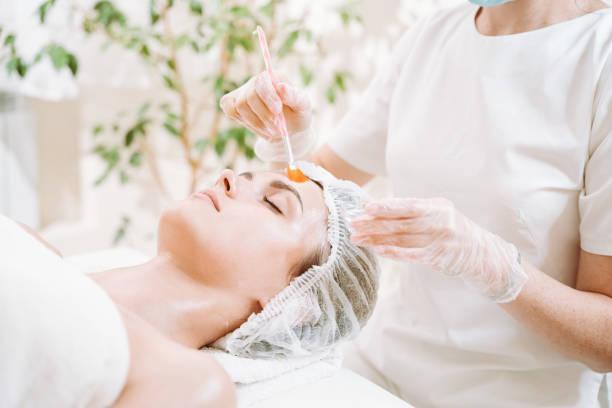
Considering a skin-resurfacing treatment often raises questions about the procedure, how the skin may feel afterward, and how long recovery might take. Chemical Peels in Dubai(التقشير الكيميائي في دبي) involve applying a selected chemical solution to exfoliate the skin in a controlled way. Depending on the formulation and treatment depth, the process may help improve uneven texture, superficial pigmentation, and dullness. Knowing what happens before, during, and after a session can help you prepare and develop realistic expectations.
What Happens Before a Chemical Peel?
The process starts with an assessment of your skin and the concerns you want to address. These may include blackheads, acne marks, dark spots, rough texture, or visible signs of sun exposure. Your skin type, sensitivity, medical history, and previous reactions to skincare products can influence which peel is appropriate.
You should also discuss medications and products such as retinoids, exfoliating acids, and acne treatments. Some may need to be adjusted before the procedure, but changes should follow the instructions provided for your individual circumstances.
Preparation varies by treatment. Avoid experimenting with new strong skincare products immediately before a peel, and follow the specific guidance you receive rather than using a one-size-fits-all routine.
How the Chemical Peel Procedure Works
The skin is generally cleansed and prepared before the selected solution is applied. The product's ingredients, concentration, and application method determine how it works and how long it remains on the skin.
During the procedure, you may experience mild tingling, warmth, or a stinging sensation. The intensity varies, and stronger treatments may produce more noticeable discomfort. The solution is removed or neutralised according to the formulation's instructions.
After application, the skin may appear slightly red or feel tight. Some treatments cause dryness or flaking over the following days, while deeper peels can require more extensive recovery. The exact experience depends on the peel selected and your skin's response.
Different Types of Chemical Peels
Superficial Chemical Peels
Superficial peels primarily target the outermost layer of the skin. They may be used to address dullness, mild uneven tone, and minor texture concerns. Recovery is generally shorter than with deeper peels, although temporary irritation and flaking are possible.
Medium-Depth Chemical Peels
Medium-depth peels affect deeper layers and may be considered for selected pigmentation concerns, sun-related changes, and more noticeable surface irregularities. They usually involve a longer healing period and a greater risk of side effects.
Deep Chemical Peels
Deep peels are intensive procedures reserved for carefully selected cases. They involve substantial recovery and carry greater risks, including scarring and persistent pigmentation changes. They are not appropriate for everyone, and the potential benefits must be weighed against these risks.
What Does Your Skin Feel Like After Treatment?
The immediate response varies according to the treatment depth and individual sensitivity. Some people experience mild redness or tightness, while others develop dryness and visible peeling as the outer skin sheds.
It is important not to judge the final outcome while the skin is still recovering. Temporary redness, flaking, or sensitivity does not necessarily indicate the eventual result. Allow the skin to heal fully before assessing changes in texture or pigmentation.
Severe pain, blistering, increasing swelling, or symptoms that seem unusual should prompt medical advice rather than being treated as a normal part of recovery.
How Long Does Recovery Take?
Recovery depends on the formulation and depth of the peel. A superficial treatment may involve limited downtime, while a medium-depth peel can require several days or longer for the skin to recover. Deep peels may involve a substantially longer healing period and more intensive care.
Individual factors, including skin sensitivity and the presence of underlying skin conditions, can affect recovery. Following the recommended aftercare instructions is essential, and further treatment should not take place until the skin has recovered sufficiently.
Essential Aftercare for Better Skin Recovery
Gentle skincare helps protect the skin while it heals. Use a mild cleanser, apply a suitable moisturiser, and wear broad-spectrum sunscreen with SPF 30 or higher every day.
Avoid scrubbing, picking flakes, waxing the treated area, or using strong exfoliating products while the skin is recovering. Retinoids and other potentially irritating ingredients may need to be paused temporarily according to the treatment instructions.
Sun protection is particularly important in Dubai because frequent UV exposure can worsen pigmentation and interfere with recovery. Limiting direct sun exposure and reapplying sunscreen as directed can help protect the skin.
What Results Can You Expect?
Chemical peels may improve the appearance of superficial unevenness, dullness, and selected pigmentation concerns. The extent of improvement depends on the skin issue, the treatment depth, and individual healing.
Some people notice a fresher-looking complexion after recovery, while more persistent concerns may require a series of treatments or a different approach. Chemical peels cannot guarantee complete removal of acne scars, permanent elimination of dark spots, or freedom from future skin ageing.
A realistic treatment plan focuses on gradual improvement while protecting the skin from unnecessary irritation.
Who May Need Extra Caution?
Not every skin type or condition is suitable for every peel. Active skin irritation, infections, certain medications, and a history of pigment changes may affect treatment decisions. People with darker skin tones can be more vulnerable to post-inflammatory hyperpigmentation after irritation, making careful selection especially important.
If you have persistent acne, eczema, unusually sensitive skin, or a history of cold sores, discuss these factors before treatment. A suitable assessment helps determine whether a chemical peel is appropriate or whether another option would be safer.
Final Thoughts
Chemical Peels in Dubai can be an option for improving selected concerns such as dullness, superficial pigmentation, and uneven texture. Understanding the procedure, preparing appropriately, and following gentle aftercare can help support a smoother recovery. For those researching skin-resurfacing options, TAJMEELS DUBAI عيادة تجميل can be included in the process of exploring treatments that align with individual skin needs and realistic expectations.

 English
 French
 Spanish
 Portuguese
 Deutsch
 Turkish
 Dutch
 Italiano
 Russian
 Romaian
 Portuguese (Brazil)
 Greek