


Semen Analysis Test Preparation: Essential Tips for Better Accuracy
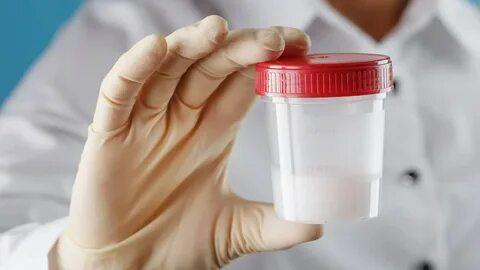
Preparing properly for a semen analysis test can help ensure that the sample provides useful information about sperm health and male reproductive function. Whether you are investigating fertility concerns, planning a pregnancy, or following up on a previous result, understanding the preparation process can make the experience more straightforward and help reduce avoidable testing errors.
A Semen Analysis Test in Dubai evaluates several characteristics of semen, including sperm concentration, total sperm count, motility, morphology, and semen volume. These measurements help healthcare professionals assess aspects of male fertility and determine whether additional investigations may be appropriate.
Although preparation cannot guarantee a particular result, following the laboratory's instructions, observing the recommended abstinence period, and handling the sample correctly can improve the reliability of the assessment. This guide explains what to do before a semen analysis test, which mistakes to avoid, and how to understand the process from preparation to results.
Why Preparation Matters Before a Semen Analysis Test?
A semen analysis is more than a simple sperm count test. It examines multiple characteristics that can provide insight into sperm production, movement, and overall semen quality.
Some of these characteristics can change temporarily because of recent ejaculation, illness, medication use, sample collection problems, or delays in laboratory processing. For this reason, preparation is an important part of obtaining a sample that accurately reflects the circumstances of the test.
Proper preparation can help the laboratory assess:
-
Sperm concentration: The number of sperm present in a measured volume of semen.
-
Total sperm count: The total number of sperm in the entire ejaculate.
-
Sperm motility: The proportion of sperm that move, including those that move progressively.
-
Sperm morphology: The proportion of sperm with typical shape and structure.
-
Semen volume: The amount of fluid produced during ejaculation.
-
Other semen characteristics: These may include pH, liquefaction, viscosity, and, when indicated, signs that require further investigation.
No single measurement establishes whether a person is fertile or infertile. The results must be interpreted together, alongside medical history and other relevant findings.
The Most Important Preparation Step: Follow the Recommended Abstinence Period
One of the most important factors before a semen analysis test is the length of time since the last ejaculation.
Laboratories commonly recommend two to seven days of sexual abstinence before sample collection, although the exact requirement may vary. Follow the specific instructions provided by the testing laboratory rather than choosing an interval independently.
Abstinence generally means avoiding ejaculation through sexual intercourse, masturbation, or other sexual activity that results in ejaculation.
Why Does Abstinence Affect the Results?
The interval between ejaculations can influence semen volume and sperm count. A shorter interval may affect the amount of semen and the total number of sperm collected, while a longer interval may influence sperm movement and other characteristics.
The purpose is not to achieve the highest possible sperm count. Instead, the aim is to collect a sample under standardized conditions so the results can be interpreted appropriately.
What If You Do Not Follow the Recommended Period?
If ejaculation occurs sooner than planned or the abstinence period is longer than recommended, tell the laboratory before submitting the sample. The staff can advise whether to proceed or reschedule.
Accurate information about the abstinence period helps the healthcare professional interpret the findings and determine whether repeat testing is necessary.
Seven Practical Tips to Prepare for a Semen Analysis Test:
Use the following checklist to organize your preparation without making unnecessary changes to your normal routine.
1. Confirm the Laboratory's Instructions in Advance
Before your appointment, check the required abstinence period, collection procedure, container requirements, sample delivery instructions, and reporting arrangements.
Some laboratories allow collection at home under specific conditions, while others require collection at the testing facility. Knowing these details beforehand can help prevent delays and sample rejection.
2. Avoid Missing Any Part of the Sample
If you are collecting the sample through masturbation, use the sterile container supplied or approved by the laboratory. Collect the entire ejaculate whenever possible.
The initial portion of the ejaculate may contain a substantial proportion of the sperm. Losing part of the sample can affect the measured sperm concentration or total sperm count.
If any portion is spilled or missed, inform the laboratory instead of assuming the sample remains fully representative.
3. Use Only an Approved Collection Container
Do not use an ordinary household jar, a nonsterile container, or a condom unless the laboratory specifically provides or approves a suitable collection product.
Some condoms and lubricants contain substances that can interfere with sperm movement or laboratory assessment. If you have difficulty collecting a sample, ask the laboratory about acceptable alternatives rather than experimenting with products.
4. Follow the Instructions for Sample Transport
If home collection is permitted, ask how quickly the specimen must reach the laboratory and whether a particular temperature range should be maintained.
Semen analysis often requires timely processing because sperm motility and other characteristics can change after collection.
Keep the container securely closed, avoid unnecessary temperature exposure, and follow the laboratory's directions. Do not refrigerate or heat the sample unless specifically instructed.
5. Report Medication Use and Recent Illness
Tell your healthcare professional about prescription medicines, over-the-counter products, supplements, and hormonal treatments you use.
Certain medications, including external testosterone and anabolic steroids, can suppress sperm production. Some illnesses accompanied by fever may also affect semen parameters, sometimes for weeks or months.
Do not stop prescribed medication on your own. Your clinician can determine whether any medicine or recent health event is relevant to the timing or interpretation of your test.
6. Maintain Reasonable Everyday Habits
Before testing, continue a balanced routine that includes adequate sleep, nutritious food, hydration, and appropriate physical activity.
Avoid introducing extreme diets, unproven fertility supplements, or sudden intensive exercise programs in an attempt to improve the result immediately. These measures cannot reliably change sperm quality overnight.
If you smoke, use recreational drugs, or drink heavily, discuss these habits with your healthcare professional. Reducing harmful exposures may support reproductive health over time, but it does not guarantee a specific semen analysis result.
7. Arrive Prepared and Provide Accurate Information
Bring any required identification, referral information, and collection paperwork. Be ready to report the duration of abstinence and whether the entire sample was collected.
If the test is being performed to investigate infertility, previous semen analysis reports and relevant medical information may also help the clinician understand changes over time.
What Should You Avoid Before a Semen Analysis Test?
Some preparation mistakes can affect the sample or make the results more difficult to interpret.
| What to avoid | Why it matters |
|---|---|
| Ignoring the recommended abstinence period | Ejaculation timing can influence semen volume and sperm measurements. |
| Using unapproved lubricants or ordinary condoms | Some products can interfere with sperm motility or contaminate the sample. |
| Collecting in an unsuitable container | Contamination or incompatible materials may affect laboratory assessment. |
| Losing part of the ejaculate without reporting it | An incomplete sample may produce misleading measurements. |
| Delaying delivery beyond the permitted interval | Sperm movement and other characteristics can change after collection. |
| Withholding information about medication or illness | These factors may be relevant to interpretation or test timing. |
| Taking unprescribed fertility products | Benefits may be uncertain, and some products can carry risks. |
It is also important not to assume that a single night of poor sleep, a particular meal, or ordinary daily stress will automatically invalidate the test. The laboratory's collection requirements and relevant medical circumstances are more important than attempting to control every aspect of daily life.
Do Diet, Exercise, and Lifestyle Affect Semen Analysis Results?
Lifestyle can influence male reproductive health, but the effects depend on the habit, the individual, and the period over which the exposure occurs.
A balanced diet containing vegetables, fruit, whole grains, protein sources, and healthy fats can support general health. Regular physical activity, adequate sleep, and avoiding tobacco and recreational drugs may also be beneficial.
Excessive alcohol use, certain drug exposures, obesity, and some occupational or environmental exposures may be associated with reproductive problems. However, lifestyle changes should not be treated as a guaranteed way to normalize sperm count, motility, or morphology.
Sperm development takes approximately two to three months. Consequently, meaningful changes in sperm production may take several months to become apparent rather than appearing immediately before a scheduled test.
The goal of preparation is to obtain a valid sample under the laboratory's recommended conditions, not to temporarily manipulate the result.
Should You Postpone a Semen Analysis Test After a Fever or Illness?
A recent illness, particularly one involving a significant fever, may affect sperm production and semen quality. Because sperm development takes time, some effects may not appear immediately and can persist after recovery.
Whether to postpone testing depends on the reason for the analysis, the severity and timing of the illness, and the clinician's instructions.
For example, a semen analysis performed during an initial fertility assessment may still provide useful information, even if a recent illness needs to be considered during interpretation. In other situations, a clinician may recommend testing later or repeating the analysis after an appropriate interval.
Always disclose recent fever, infection, surgery, or other significant medical events rather than delaying a test without discussing it with your healthcare professional.
What Happens on the Day of Sample Collection?
The collection process is generally straightforward, although the exact procedure depends on the laboratory.
First, the laboratory explains its instructions and provides an appropriate container. You will usually be asked to collect semen through masturbation in a private room or, if permitted, at home according to the laboratory's requirements.
The container should be labeled and handled according to the staff's directions. You may need to record the collection time and confirm the abstinence period.
The laboratory then examines the sample for relevant characteristics, including volume, sperm concentration, motility, and morphology. Additional measurements may be included depending on the clinical question.
If collecting a sample is difficult, inform the staff. They can explain the available options and whether another collection arrangement is possible.
How to Understand Your Semen Analysis Test Results?
Results are usually compared with laboratory reference limits, including those informed by World Health Organization guidance where applicable. These reference values help clinicians interpret findings, but they are not absolute boundaries separating fertile from infertile individuals.
A result outside a reference range does not necessarily mean pregnancy is impossible. Likewise, results within reference ranges do not guarantee conception.
The main measurements have different meanings:
-
Low sperm concentration or count: May warrant evaluation of sperm production and other reproductive factors.
-
Reduced motility: May indicate that a lower proportion of sperm move effectively.
-
Abnormal morphology: Describes differences in sperm shape and structure; it must be interpreted alongside other findings.
-
Low semen volume: May reflect collection issues or other factors that require clinical assessment.
-
Multiple abnormal parameters: May prompt a more detailed fertility evaluation.
Semen parameters can vary between samples. Depending on the findings and clinical circumstances, a healthcare professional may recommend repeating the test under standardized conditions.
Frequently Asked Questions About Semen Analysis Test Preparation:
How many days should I abstain before a semen analysis test?
Many laboratories recommend two to seven days without ejaculation. Follow the exact interval specified by your laboratory because requirements may differ.
Can I drink water before a semen analysis test?
In most cases, drinking water is permitted because semen analysis does not ordinarily require fasting. Confirm any specific instructions provided with your appointment.
Can I use lubricant to collect the sample?
Avoid ordinary lubricants unless the laboratory confirms that a specific product is suitable. Some lubricants may interfere with sperm movement or the test procedure.
Should I stop taking medication before the test?
No. Do not discontinue prescribed medication without medical advice. Provide your healthcare professional with an accurate list of medicines and supplements so their potential relevance can be assessed.
How long does it take to get semen analysis results?
The timing varies by laboratory, the tests performed, and whether additional analysis is required. Ask the laboratory when your report is expected and arrange a clinical review if necessary.
What if my first semen analysis result is abnormal?
Your clinician may review the collection conditions, medical history, medications, and other relevant factors. A repeat semen analysis may be recommended because semen parameters naturally vary. Further testing depends on the pattern of results and your individual circumstances.
Final Thoughts: Prepare for Reliable Results, Not a Perfect Score
Preparing for a semen analysis Lab tests involves following the recommended abstinence period, using an approved collection container, collecting the complete sample, and meeting the laboratory's transport requirements. Reporting recent illness, medication use, and collection difficulties also helps ensure that the findings are interpreted in the right context.
Lifestyle habits can influence reproductive health over time, but no preparation method can guarantee a particular sperm count or semen quality result. If your report contains abnormal findings, a healthcare professional can explain what they mean, whether repeat testing is appropriate, and which additional investigations may help identify the cause.
With clear instructions and careful sample collection, a semen analysis test can provide valuable information as part of a broader assessment of male reproductive health and fertility.

 English
 Arabic
 French
 Spanish
 Portuguese
 Deutsch
 Turkish
 Dutch
 Italiano
 Romaian
 Portuguese (Brazil)
 Greek