


How to Handle a Car Breakdown on a Columbus Bridge or Overpass
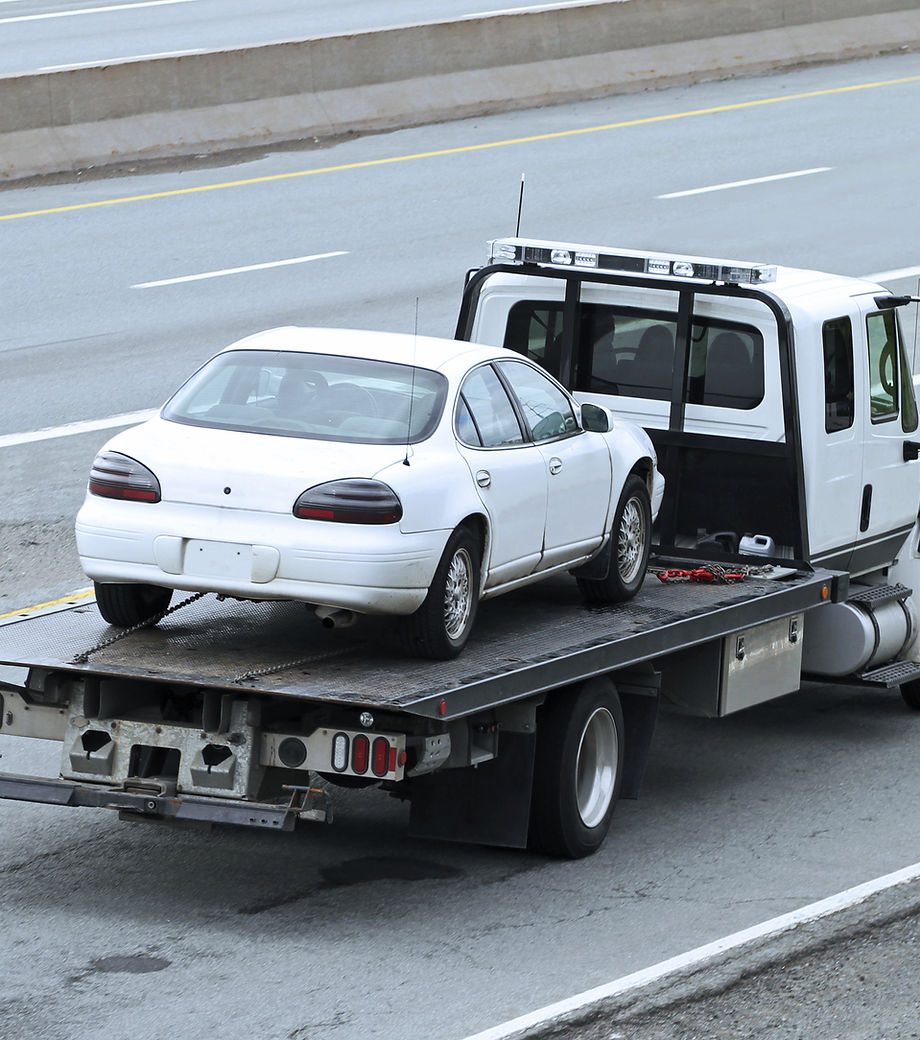
A car breakdown is stressful on any road, but it can become especially dangerous on a bridge or overpass. Limited shoulder space, fast moving traffic, and barriers can make it difficult to find a safe place to stop. Drivers in Columbus, OH, should know how to respond when their vehicle suddenly loses power or develops a serious mechanical problem in one of these locations. 24/7 Emergency Vehicle Assistance Columbus OH can help drivers arrange roadside support when a vehicle becomes unsafe to operate. Taking the right steps can reduce risks while you wait for help to arrive.
Why Breakdowns on Bridges and Overpasses Are Dangerous
Bridges and overpasses often have less room for disabled vehicles than ordinary roads. Some have narrow shoulders, concrete barriers, or no suitable area for a driver to stop completely outside moving traffic. This can leave a stranded vehicle exposed to passing cars and trucks.
Traffic may also move quickly through these areas because drivers have limited opportunities to change lanes. A stalled vehicle can create sudden congestion, forcing other motorists to brake or change direction with little warning.
Columbus drivers may encounter these conditions on elevated roadways, highway ramps, and bridges throughout the city. Busy routes can become even more challenging during rush hour, construction, rain, or reduced visibility.
A breakdown in such a location requires a careful approach. Trying to push the vehicle, inspect the engine beside traffic, or make an unsafe lane change can increase the danger. Your first priority should always be personal safety, followed by contacting appropriate roadside assistance or emergency services.
What to Do When Your Vehicle Stops on a Bridge
The safest response depends on whether your vehicle can still move and how much space is available. Avoid sudden decisions that could make the situation worse.
Keep Control and Signal Other Drivers
If you notice a loss of power, unusual engine sounds, or a warning light, maintain a firm grip on the steering wheel. Activate your hazard lights as soon as practical. If the vehicle still responds, guide it toward a safe stopping area only when you can do so without creating additional danger.
Avoid abrupt braking or sudden lane changes. If the vehicle cannot move, leave it where it is rather than attempting a risky maneuver across traffic.
Assess Your Surroundings Before Exiting
Once stopped, look at the traffic, available space, barriers, and nearby exits. Do not automatically step out of the vehicle because the shoulder may be too narrow to provide protection.
If remaining inside is safer, keep your seat belt fastened and contact assistance. If leaving the vehicle is necessary and a safe exit route exists, move away from traffic toward a protected area. Follow emergency responder instructions whenever available.
Contact Help With Clear Information
Tell the dispatcher that your vehicle is stopped on a bridge or overpass. Provide the roadway name, direction of travel, nearest exit, and any visible landmarks. Explain whether the vehicle is blocking a lane or whether anyone needs emergency medical assistance.
These details help responders understand the risks and determine the appropriate next steps.
When to Call Emergency Services or a Towing Provider
Not every breakdown requires emergency responders, but certain situations demand immediate attention. If the vehicle is creating a traffic hazard, a collision has occurred, someone is injured, or you believe there is an immediate danger, contact 911.
For a disabled vehicle that needs transportation, emergency towing can help move it away from the breakdown location when conditions allow. A towing provider can assess the vehicle's situation and determine an appropriate method of transport.
Common reasons to request 24/7 Emergency Towing Columbus OH include engine failure, a dead battery, a flat tire, overheating, or a vehicle that will not restart. Electrical problems and transmission issues can also leave drivers stranded unexpectedly.
Explain the circumstances when you call. Mention whether your vehicle is on a narrow bridge, near a traffic lane, or positioned where a tow truck may have limited access. Do not assume that you can safely troubleshoot the problem while waiting.
The right assistance depends on the severity of the situation. Emergency services address immediate threats, while towing providers help with disabled vehicles that need transportation.
How to Stay Safe While Waiting for Assistance
Waiting beside a busy roadway can be dangerous, so avoid unnecessary activity around the vehicle. Keep your hazard lights on if they are functioning, and remain alert to traffic conditions.
Do not stand behind your vehicle or walk around it to inspect damage when traffic is passing nearby. Avoid attempting jump starts, tire changes, or mechanical work on a narrow bridge. Even a small task can expose you to moving vehicles.
If you contact a towing provider, keep your phone available in case the dispatcher needs additional information. Share any changes in your location or vehicle condition promptly.
Drivers should also be aware of weather conditions. Rain can reduce traction, while fog and darkness can make a disabled vehicle harder for other motorists to see. Keep your instructions clear when speaking with the dispatcher.
If police or highway assistance personnel arrive, follow their directions. They may need to control traffic or move you to a safer location before towing can begin.
Staying calm, communicating clearly, and avoiding unnecessary movement can help reduce risk until the situation is resolved.
Preparing for Unexpected Roadside Problems in Columbus
Although some breakdowns happen without warning, preparation can make them easier to manage. Keep your vehicle maintained and pay attention to changes in engine performance, battery response, braking, steering, and tire condition.
Check essential fluids according to the manufacturer's recommendations and address dashboard warnings promptly. Regular maintenance can help identify problems before they leave you stranded on a busy road.
It is also useful to keep emergency supplies in your vehicle. Consider carrying a phone charger, flashlight, drinking water, basic first aid supplies, and a reflective item that can be used safely when appropriate. Keep roadside assistance contact details accessible.
Before traveling through Columbus during severe weather or heavy traffic, check your route and allow extra travel time. Maintain enough fuel or battery charge to complete your journey without unnecessary stops in hazardous locations.
Most importantly, understand when to stop troubleshooting and request help. A bridge or overpass is rarely a suitable place for roadside mechanical work. Professional towing assistance may be the safest option when your vehicle cannot continue.
Frequently Asked Questions
What should I do if my car stops on a Columbus bridge?
Turn on your hazard lights, maintain control if the vehicle is still moving, and assess whether you can reach a safe stopping area. Contact emergency services if there is immediate danger.
Should I get out of my car on an overpass?
It depends on the surroundings. If exiting would expose you to traffic, remaining inside with your seat belt fastened may be safer. Follow emergency responder instructions.
Can emergency towing help with a breakdown on a bridge?
A towing provider may be able to assist, depending on access, traffic conditions, and the vehicle's position. Explain the exact location and safety concerns when requesting help.
When should I call 911 instead of roadside assistance?
Call 911 when someone is injured, a collision has occurred, a vehicle is creating an immediate traffic hazard, or another urgent threat requires emergency response.
How can I prevent a roadside breakdown?
Follow your vehicle's maintenance schedule, monitor warning lights, check tire condition, and address unusual sounds or performance changes before taking longer trips.
Conclusion
A car breakdown on a bridge or overpass requires quick thinking, but safety should always come before getting the vehicle moving again. Use your hazard lights, avoid dangerous roadside repairs, and provide clear location details when requesting help. Routine vehicle maintenance can reduce some breakdown risks, while a prepared driver can respond more effectively when unexpected trouble occurs. If your vehicle becomes disabled on a Columbus roadway, 24/7 Emergency Towing Columbus OH can help you arrange appropriate transportation. For assistance with a stranded vehicle, Call Burm's Towing for Emergency Recovery and explain the location and conditions so the situation can be assessed.

 English
 Arabic
 French
 Spanish
 Portuguese
 Deutsch
 Turkish
 Dutch
 Russian
 Romaian
 Portuguese (Brazil)
 Greek