


Switchgear Manufacturing: Essential Checks for Performance and Safety
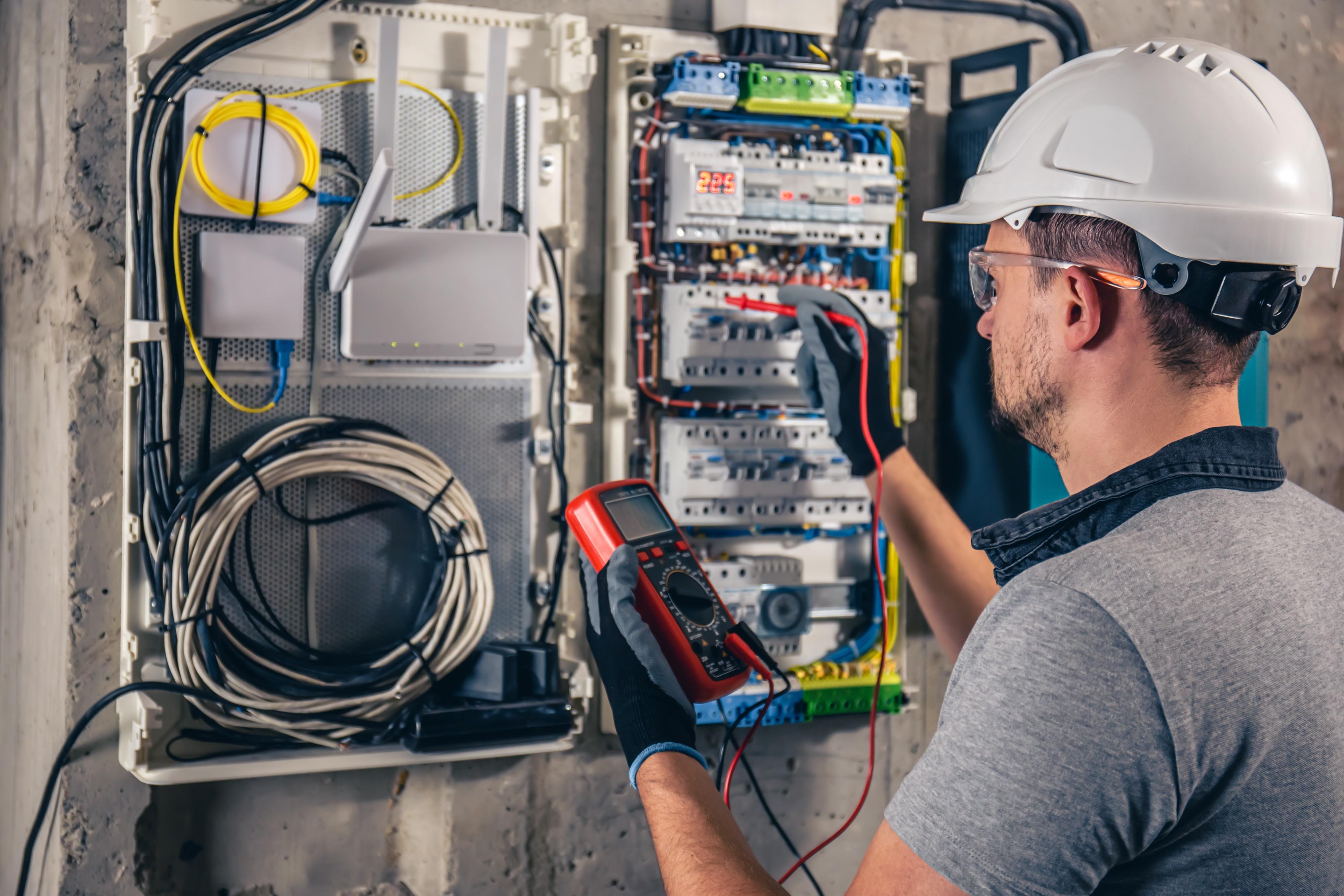
Electrical systems in commercial buildings, industrial facilities, and infrastructure projects must deliver reliable power while protecting people and equipment. Switchgear plays a vital role in this process by controlling electrical circuits, isolating faults, and helping prevent damage caused by abnormal operating conditions. However, the reliability of a switchgear installation depends on more than the quality of its components. Design decisions, manufacturing standards, protection settings, installation conditions, and ongoing maintenance all influence its performance.
Choosing the right equipment requires a clear understanding of the facility's electrical demands and operating environment. A panel designed for a small commercial building may not suit a manufacturing plant with heavy machinery and fluctuating loads. Buyers should therefore evaluate technical specifications, safety features, workmanship, and after-sales support before making a decision. Understanding these factors helps businesses reduce operational risks, avoid unnecessary downtime, and make informed investments in electrical infrastructure.
Understanding the Role of Switchgear in Electrical Systems
Switchgear includes electrical devices used to control, protect, and isolate circuits. Depending on the application, an installation may contain circuit breakers, switches, protective relays, busbars, and associated control equipment. These components work together to manage power distribution and respond when electrical conditions become unsafe.
In a commercial building, switchgear helps distribute electricity to lighting, HVAC systems, lifts, and other essential equipment. In an industrial facility, it supports machinery, production lines, and other high-demand electrical loads. Properly selected equipment helps operators isolate a faulty circuit without unnecessarily interrupting the entire facility.
Switchgear design must account for the system's voltage, expected current, fault levels, and operating conditions. A mismatch between the equipment rating and the electrical network can create serious safety and reliability concerns.
Essential Checks Before Selecting Switchgear
1. Confirm Electrical Ratings and Load Requirements
Start by identifying the facility's actual electrical requirements. Review the supply voltage, maximum demand, connected loads, and anticipated future expansion. Engineers should also assess starting currents from motors and other equipment that may create temporary load increases.
The rated current must suit the expected operating load, while the short-circuit withstand and breaking capacities must match the fault levels at the installation point. These ratings serve different purposes, so buyers should not treat them as interchangeable.
For example, a production facility planning to install additional machinery may need a distribution panel with sufficient capacity for future circuits. Planning for expansion during the design stage can prevent costly modifications later.
2. Examine Protection and Safety Features
Protective devices help disconnect faulty circuits before electrical problems escalate. Circuit breakers, relays, and other protection components must be selected and coordinated according to the system design. Incorrect settings can cause unnecessary trips or allow faults to persist longer than intended.
Check whether the equipment includes appropriate protection against overloads and short circuits. Depending on the application, the design may also require earth-fault protection, electrical and mechanical interlocks, barriers, and safe isolation arrangements.
Ask for evidence that the proposed assembly meets the relevant standards and project specifications. Do not rely solely on a product description or a general claim that the equipment is safe.
3. Evaluate Enclosure Quality and Operating Conditions
The enclosure protects internal components from environmental exposure and helps prevent accidental contact with live parts. Its construction should suit the installation location, including temperature, humidity, dust, ventilation, and potential exposure to water or corrosive substances.
A panel installed in a clean electrical room may have different enclosure requirements from one operating in a dusty industrial workshop. Buyers should confirm the specified ingress protection rating and ensure that cable entries, ventilation openings, and access doors do not compromise the intended protection.
Also check the quality of internal wiring, terminal connections, busbar supports, labels, and component mounting. Neat workmanship makes inspections easier and helps technicians identify problems during maintenance.
Manufacturing Quality and Technical Compliance
Switchgear performance depends heavily on manufacturing consistency. Even when a design uses reliable components, poor assembly, loose connections, or inadequate testing can affect the complete system. Buyers should therefore examine both the equipment specifications and the processes used to manufacture and verify the assembly.
4. Review Component Selection and Assembly
A qualified Manufacturer of Electrical Switchgear should understand how component selection, panel layout, and assembly quality affect the finished equipment. Ask whether the manufacturer can provide technical drawings, component schedules, wiring diagrams, and documentation demonstrating compliance with the applicable standards.
Pay particular attention to busbar sizing, conductor selection, insulation clearances, terminal arrangements, and connection quality. These details influence heat management, electrical performance, and maintenance accessibility. Components must also be compatible with one another and suitable for the intended operating conditions.
For projects involving distribution panels, control panels, or automation integration, confirm that the design meets the specific functional requirements. Clear documentation helps the installation team connect the equipment correctly and supports future troubleshooting.
5. Verify Testing and Quality Control
Testing provides evidence that the assembled equipment meets its design requirements. Before accepting a switchgear panel, ask for the applicable inspection and test records.
Important checks may include:
-
Visual inspection: Confirms component placement, labels, clearances, and general assembly quality.
-
Electrical continuity checks: Help verify intended connections and protective bonding.
-
Insulation resistance testing: Assesses insulation condition using an appropriate test method.
-
Functional testing: Checks control circuits, indications, interlocks, and operating sequences.
-
Protection verification: Confirms that protective devices and settings match the approved design.
The required tests depend on the equipment type, applicable standards, and project specifications. Ask the supplier to clarify which tests were completed and provide supporting records. Where required, confirm that the assembly has appropriate design verification and routine verification documentation.
Matching Switchgear to the Project and Supplier Capabilities
6. Assess Technical Support and Customisation
Different facilities have different electrical requirements. Some projects need standard distribution panels, while others require customised configurations, control functions, or integration with automation systems. The supplier should be able to explain how the proposed equipment meets the project's technical needs.
Businesses comparing suppliers should evaluate engineering support, communication, documentation, delivery coordination, and assistance during installation. A supplier's ability to clarify technical questions is particularly important when the project involves several connected panels or complex control requirements.
When evaluating a Top Switchgear Company in UAE, buyers should look beyond price and promotional claims. Compare technical competence, relevant project experience, product quality, testing procedures, and the availability of maintenance support. Requesting a detailed quotation helps clarify what is included and reduces the risk of unexpected costs.
7. Plan for Maintenance and Long-Term Reliability
Switchgear requires appropriate inspection and maintenance throughout its service life. Dust accumulation, loose connections, worn components, and deteriorating insulation can affect reliability if left unaddressed.
A maintenance plan should follow the manufacturer's instructions, equipment condition, operating environment, and applicable safety procedures. Depending on the installation, inspections may include checking enclosure integrity, reviewing operating records, inspecting connections during safe shutdowns, and verifying protective-device operation.
Never inspect or service energised equipment unless the work is specifically authorised and performed under appropriate safety procedures. Qualified personnel should isolate equipment, verify the absence of voltage, and follow the required lockout and tagging process before performing work.
Common Mistakes to Avoid When Purchasing Switchgear
Several purchasing mistakes can lead to higher costs or unnecessary operational risks:
-
Choosing equipment based only on price: A lower initial cost may not reflect the equipment's suitability, testing quality, or lifetime maintenance requirements.
-
Ignoring future demand: Insufficient capacity can make later expansion difficult and expensive.
-
Overlooking documentation: Missing drawings, test reports, or component information can complicate commissioning and maintenance.
-
Assuming every panel meets the same standards: Requirements vary according to voltage, application, installation conditions, and project specifications.
-
Neglecting maintenance arrangements: Without a suitable maintenance plan, minor defects may develop into costly failures.
To avoid these problems, prepare a technical checklist before requesting quotations. Compare suppliers against the same requirements, clarify any deviations, and ensure the final equipment matches the approved design.
Conclusion
Reliable switchgear starts with appropriate electrical ratings, effective protection, quality manufacturing, and thorough testing. Buyers should also consider environmental conditions, technical documentation, maintenance requirements, and the supplier's ability to support the installation over time.
A structured evaluation helps businesses choose equipment that meets their operational needs without overlooking essential safety requirements. By checking these factors before purchasing and maintaining the equipment correctly throughout its service life, organisations can improve electrical reliability, minimise avoidable downtime, and protect both personnel and assets.

 English
 Arabic
 French
 Spanish
 Portuguese
 Deutsch
 Turkish
 Italiano
 Russian
 Romaian
 Portuguese (Brazil)
 Greek