


Paper Shredder Buying Guide: How to Choose the Right Shredder
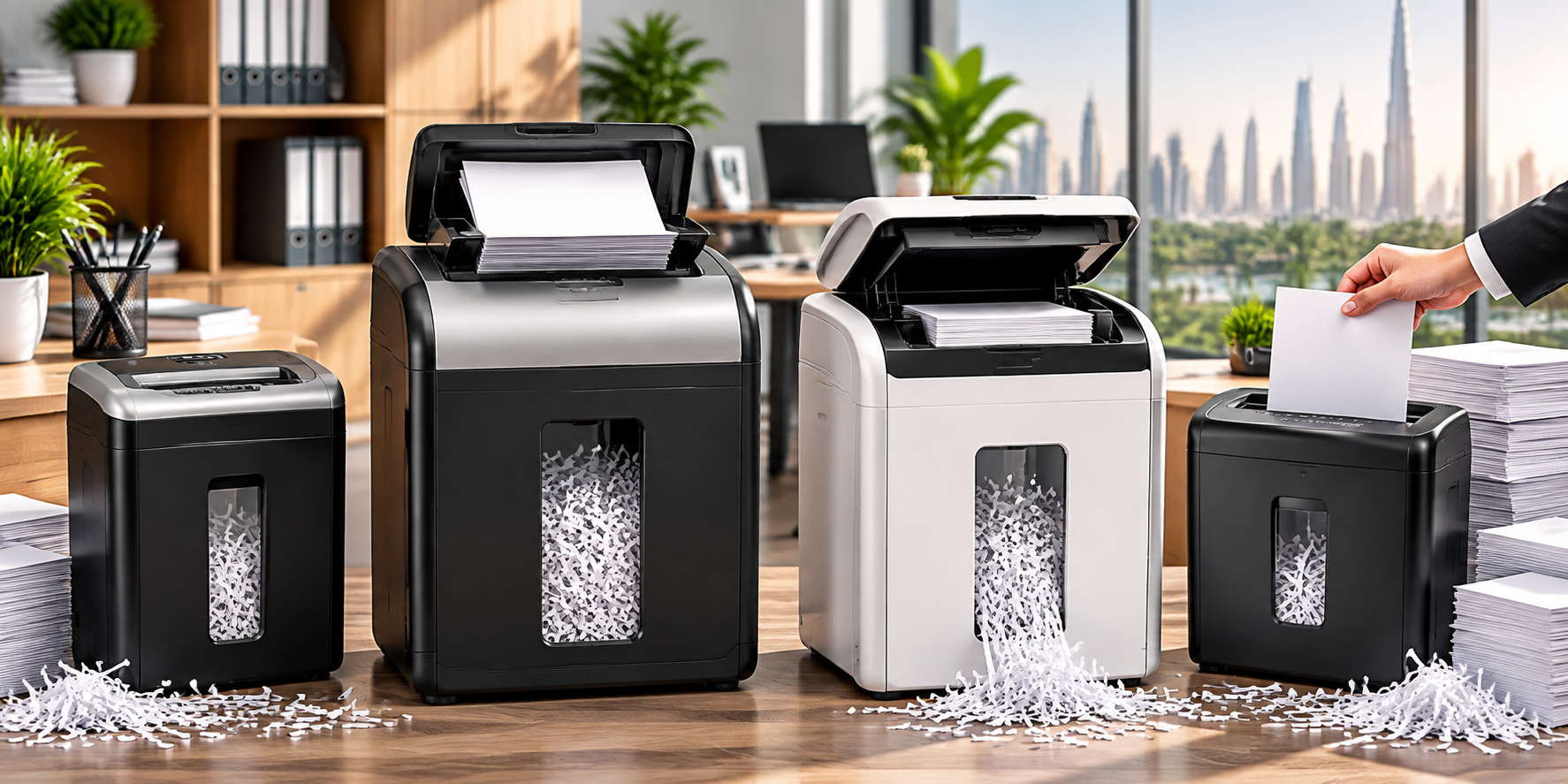
Paper Shredder Buying Guide: How to Choose the Right Shredder
Choosing the right paper shredder is important for protecting confidential information and managing unwanted documents securely. Whether you need a shredder for your home, office, school, or business, the best choice depends on your document volume, security requirements, sheet capacity, and frequency of use.
Modern paper shredders come in different styles, including strip-cut, cross-cut, micro-cut, and auto-feed models. Each type offers different levels of security, convenience, and performance. Understanding these differences can help you choose a shredder that suits your needs and provides reliable everyday operation.
In this guide, we explain the main types of paper shredders, the features worth considering, and how to select a suitable model for your workspace.
Why Do You Need a Paper Shredder?
Many documents contain personal, financial, or business information that should not be disposed of in ordinary waste. Bank statements, invoices, contracts, customer records, employee files, and identification copies can contain sensitive details that require careful handling.
A paper shredder cuts unwanted documents into smaller pieces, making their information more difficult to read or reconstruct. It provides a convenient way to dispose of confidential paperwork while helping maintain an organized workspace.
Paper shredders are useful for:
-
Bank statements and financial records
-
Invoices, receipts, and contracts
-
Employee and customer information
-
Confidential business correspondence
-
Old identification copies and personal records
-
Internal reports and sensitive paperwork
Before shredding any document, check whether it must be retained for legal, tax, business, or personal reasons.
What to Consider Before Buying a Paper Shredder
The right shredder depends on how much paperwork you process and how frequently you use the machine. A compact model may be sufficient for occasional home use, while a busy office may require a higher-capacity or automatic-feed shredder.
Consider these important factors before purchasing:
-
Cutting technology and security level
-
Maximum sheet capacity
-
Manual or automatic feeding
-
Daily document volume
-
Operating time and cooling requirements
-
Waste-bin capacity
-
Noise level
-
Available workspace
-
Maintenance requirements
Comparing these features can help you find a machine that meets your needs without paying for unnecessary capabilities.
Understand the Different Types of Paper Shredders
1. Strip-Cut Shredders
Strip-cut shredders cut paper into long, narrow strips. They are generally suitable for disposing of ordinary paperwork when a lower level of document security is sufficient.
These machines can be useful for non-sensitive documents and general paper disposal. However, the larger strips may make information easier to reconstruct compared with smaller-cut alternatives.
If you regularly dispose of financial records, confidential correspondence, or personal information, consider whether a higher-security cutting style would be more appropriate.
2. Cross-Cut Shredders
Cross-cut shredders cut paper in two directions, producing smaller particles than traditional strip-cut machines. They provide a practical balance between security, convenience, and everyday performance.
Cross-cut shredders are suitable for home offices, small businesses, invoices, bank statements, and routine confidential paperwork.
Models such as the Rexel Secure X8 and Rexel Momentum X410-SL are examples of shredders designed for everyday document disposal. Check each model's specifications to confirm its sheet capacity and security rating.
For users who need a practical shredder for regular paperwork, cross-cut technology can be a suitable option.
3. Micro-Cut Shredders
Micro-cut shredders reduce paper into much smaller particles than conventional strip-cut machines and many cross-cut models. They are useful when handling documents that require a higher level of confidentiality.
Potential applications include financial records, employee information, sensitive business documents, and confidential personal paperwork.
Some models in the Rexel Optimum AutoFeed+ range combine micro-cut technology with automatic document feeding. Before choosing a shredder for highly confidential information, review its stated security classification and ensure it meets your requirements.
4. Auto-Feed Paper Shredders
Auto-feed shredders allow users to place a stack of documents into a dedicated tray. The machine feeds and shreds the pages automatically, reducing the need to insert individual sheets manually.
They can be especially useful in offices and businesses that process large quantities of paperwork.
Depending on the model, automatic feeding capacity may range from smaller stacks to several hundred sheets. For example, selected Rexel Optimum AutoFeed+ models offer capacities of up to 150, 600, or 750 sheets.
Always verify the capacity of the specific model and follow the manufacturer's instructions for loading documents.
Check the Sheet Capacity
Sheet capacity refers to the number of sheets a shredder is designed to process in one pass. Choosing the right capacity can improve efficiency and reduce the time spent feeding paperwork into the machine.
For example, selected models include:
-
Rexel Secure X8: Up to 8 A4 sheets per pass
-
Rexel Momentum X410-SL: Up to 10 sheets per pass
-
Rexel Momentum Extra XP418+: Up to 18 sheets per pass
These figures should be confirmed against the current specifications of the exact model before purchasing.
A higher sheet capacity can be convenient for larger workloads, but exceeding the recommended limit may cause paper jams or place unnecessary strain on the machine.
Manual vs. Auto-Feed Paper Shredders
The feeding method affects how much effort is required to shred documents.
Manual-Feed Shredders
Manual-feed shredders require users to insert documents directly into the paper slot. They are often suitable for homes, small offices, and people who shred documents occasionally.
These machines can be practical for processing receipts, bills, correspondence, and smaller quantities of paperwork.
Auto-Feed Shredders
Auto-feed shredders process a stack of documents from a dedicated tray. This reduces the need for constant supervision and repeated manual feeding.
They can be a useful choice for busy offices, administrative departments, and businesses that handle paperwork regularly.
When comparing automatic models, check the feed capacity, supported paper types, operating time, and security level. Choose a model that matches your normal workload rather than relying on maximum capacity alone.
Choose a Shredder for Your Workload
Paper Shredders for Home Use
For household paperwork, a compact cross-cut shredder may provide a practical balance between size, convenience, and security.
It can be useful for disposing of bank statements, bills, receipts, and personal correspondence. Consider storage space, noise, sheet capacity, and how often you expect to use the machine.
Paper Shredders for Small Businesses
Small businesses often need to dispose of invoices, customer records, contracts, and employee documents.
Look for a model with an appropriate security level, sufficient sheet capacity, a practical waste bin, and a suitable operating time. These features can help minimize interruptions during routine office work.
Paper Shredders for Large Offices
Large offices may process significant amounts of paperwork throughout the day. A higher-capacity or auto-feed shredder can help manage these workloads more efficiently.
Consider automatic feeding, waste-bin size, continuous operating time, jam-reduction features, and the number of people sharing the machine.
Selecting equipment based on actual document volume can help improve productivity and prevent unnecessary wear.
Important Features to Look For
Waste-Bin Capacity
A larger waste bin can reduce how frequently shredded paper needs to be emptied. This is especially useful in busy workplaces where the machine is used throughout the day.
Choose a capacity that matches your typical workload and available floor space.
Operating Time
Paper shredders usually have recommended operating periods and cooling requirements. A machine designed for occasional use may not be suitable for extended shredding sessions.
Check the manufacturer's stated operating and cooling times before choosing a model for frequent use.
Jam-Reduction Features
Paper jams can interrupt work and make document disposal inconvenient. Some shredders include features that help prevent overfeeding or simplify jam removal.
These features can be particularly valuable in shared offices where several people use the same machine.
Noise Level
Noise can matter in reception areas, shared offices, meeting spaces, and home workspaces. If the shredder will be used near desks or customer-facing areas, consider a model designed for quieter operation.
Size and Placement
Measure your available workspace before purchasing. Check the shredder's dimensions, access to a power outlet, and the room required to load documents and empty the waste bin.
A suitable location makes the machine easier to operate and maintain.
How to Maintain a Paper Shredder
Regular maintenance helps keep a paper shredder working properly and may extend its useful life.
Follow these practices:
-
Avoid exceeding the recommended sheet capacity.
-
Empty the waste bin before it becomes too full.
-
Clean the machine according to the manufacturer's instructions.
-
Clear paper jams using the recommended procedure.
-
Apply shredder lubricant when required by the manufacturer.
-
Avoid feeding materials that the machine is not designed to process.
-
Follow the specified operating and cooling times.
Forcing jammed paper or using unsuitable materials can damage the machine. If a problem persists, consult the product manual or a qualified service professional.
What Documents Should You Shred?
Documents containing sensitive personal or business information should be reviewed carefully before disposal.
Examples include bank statements, invoices, payment records, employee files, customer details, old identification copies, and confidential correspondence.
However, some documents must be retained for legal, financial, or administrative purposes. Check the applicable retention requirements before shredding records.
For additional guidance, read our article: What Documents Should You Shred? 15 Things You Should Never Throw Away Whole.
Why Explore Paper Shredders at Toyzinn?
Toyzinn offers a collection of paper shredders for different home, office, and business requirements. The available selection includes options from brands such as Rexel and Intimus, subject to current product availability.
When comparing shredders, review the cutting technology, security rating, sheet capacity, feeding method, operating time, and waste-bin size. These details can help you select a model that suits your document disposal requirements.
Whether you need a compact shredder for occasional household paperwork or a higher-capacity machine for an office, comparing product specifications is an important step before purchasing.
Explore the Toyzinn Paper Shredders Collection to browse the available models and find a suitable option for your workspace.
Final Thoughts
Choosing the right paper shredder starts with understanding your document volume, confidentiality requirements, and preferred level of convenience.
A compact cross-cut shredder may suit everyday home use, while businesses handling larger volumes of sensitive paperwork may benefit from micro-cut technology, automatic feeding, or a higher-capacity model.
Before purchasing, compare the security rating, sheet capacity, operating time, waste-bin size, noise level, and maintenance requirements. Selecting a shredder that matches your actual workload can help make document disposal more convenient and consistent.
Explore Toyzinn's paper shredder collection to compare available options and choose a solution that suits your home, office, or business needs.

 English
 Arabic
 French
 Spanish
 Portuguese
 Deutsch
 Dutch
 Italiano
 Russian
 Romaian
 Portuguese (Brazil)
 Greek