


Can You Have High Blood Sugar Without Noticeable Symptoms?
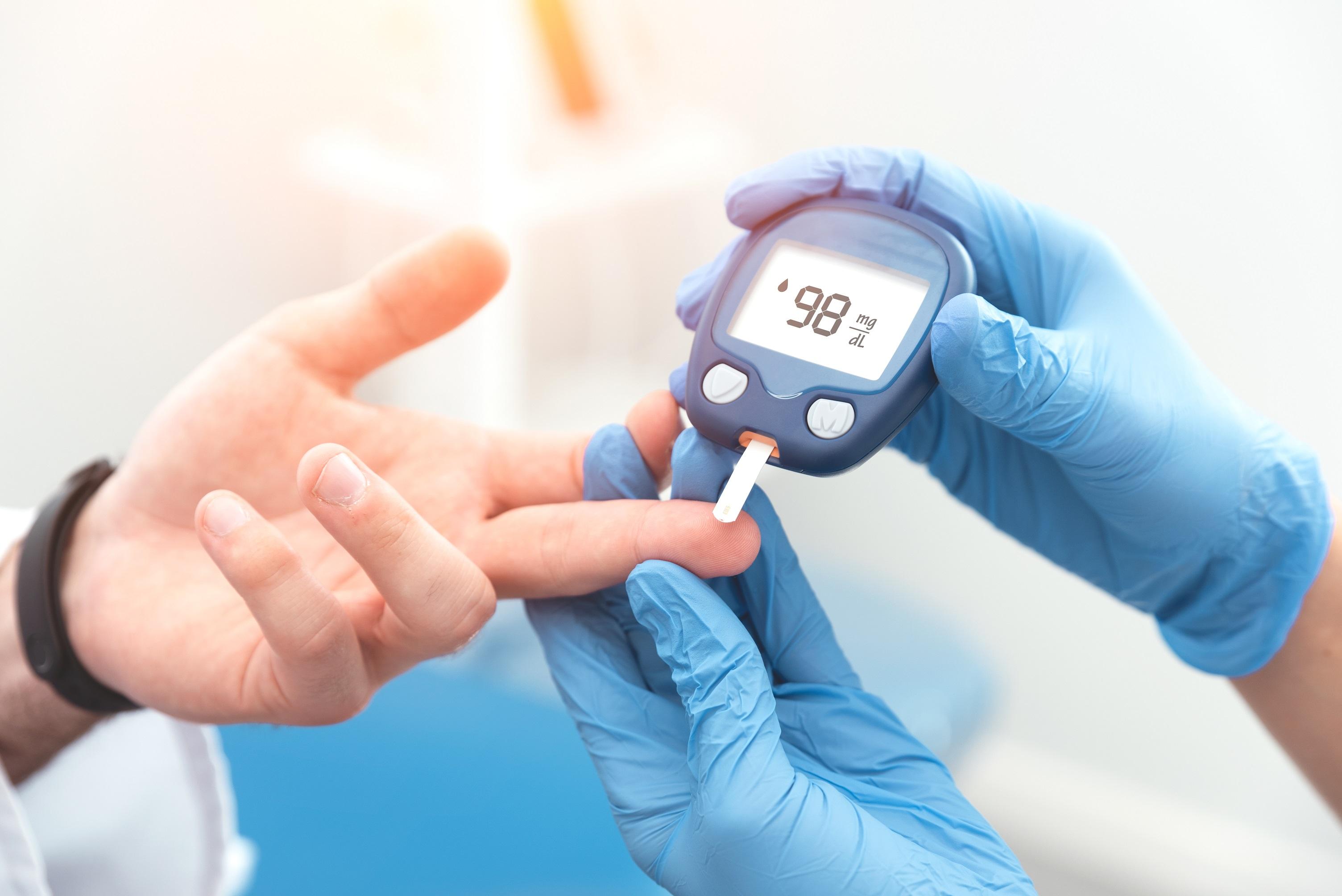
Yes, high blood sugar can develop without noticeable symptoms, and many people with prediabetes or type 2 diabetes may have elevated glucose levels without realizing it. You might feel energetic, maintain your usual routine, and experience no obvious changes while your blood sugar gradually rises. This is one reason diabetes can remain undiagnosed until a routine health check or blood test reveals a problem.
High Blood Sugar Test Dubai, medically known as hyperglycemia, occurs when glucose builds up in the bloodstream. It can happen when the body does not produce enough insulin or cannot use insulin effectively. Although severe hyperglycemia can cause obvious symptoms, mild or moderate elevations may go unnoticed for a long time.
Understanding how silent high blood sugar develops, who is at risk, and which tests can detect it is essential for protecting your long-term health. This guide explains the warning signs, possible causes, recommended screening methods, and practical steps you can take even if you feel completely healthy.
The Hidden Nature of High Blood Sugar:
Blood glucose naturally changes throughout the day, especially after eating. Insulin, a hormone produced by the pancreas, helps regulate these changes by allowing glucose to enter the body's cells for energy.
When insulin production or function becomes impaired, glucose levels may remain higher than normal. In the early stages, the increase can be gradual enough that a person does not notice anything unusual.
This is particularly common in prediabetes and type 2 diabetes. The body may initially compensate for insulin resistance by producing more insulin, but this compensation may become less effective over time.
Several factors explain why high blood sugar can remain unnoticed:
-
Gradual development: Slowly increasing glucose levels may not trigger sudden or obvious symptoms.
-
Mild elevation: Blood sugar may be above the healthy range without reaching levels that cause clear physical changes.
-
Different individual responses: Some people experience symptoms earlier than others.
-
Misinterpreted warning signs: Mild fatigue, thirst, or blurred vision may be attributed to stress, dehydration, aging, or poor sleep.
Feeling normal is therefore not a reliable way to determine whether your blood glucose is healthy. A suitable blood sugar test can reveal abnormalities that symptoms alone cannot identify.
Which Types of Diabetes Can Develop Without Clear Symptoms?
Silent high blood sugar is most often associated with prediabetes and type 2 diabetes, although the circumstances can differ.
Prediabetes: When Glucose Begins to Rise
Prediabetes occurs when blood sugar is higher than normal but does not yet meet the diagnostic criteria for diabetes. It frequently develops without obvious symptoms.
A person may have prediabetes for years without knowing it, particularly if they do not undergo routine screening. However, identifying it provides an opportunity to take preventive steps.
Regular physical activity, balanced meals, adequate sleep, and weight management when appropriate can improve metabolic health and help reduce the risk of developing type 2 diabetes.
Prediabetes does not mean that diabetes is inevitable. It is a warning that glucose regulation needs attention.
Type 2 Diabetes: A Gradual Change in Blood Sugar Control
Type 2 diabetes often develops over time as the body becomes resistant to insulin and the pancreas struggles to produce enough insulin to maintain normal glucose levels.
Because this process can be slow, people may not notice symptoms until glucose levels become substantially elevated or a routine blood test identifies the condition.
Some individuals eventually develop frequent urination, increased thirst, tiredness, or blurred vision. Others remain unaware for longer.
Early diagnosis matters because persistent high blood sugar can damage blood vessels and contribute to complications affecting the eyes, kidneys, nerves, heart, and feet.
Type 1 Diabetes: When Symptoms May Develop Quickly
Type 1 diabetes is an autoimmune condition in which the immune system destroys insulin-producing cells in the pancreas. Unlike the often gradual progression of type 2 diabetes, type 1 diabetes can develop over a relatively short period.
Although early symptoms may initially be overlooked, increasing thirst, frequent urination, unexplained weight loss, and marked fatigue can appear quickly.
Type 1 diabetes can lead to diabetic ketoacidosis, a life-threatening emergency. If these symptoms develop rapidly, seek prompt medical evaluation rather than waiting for a routine screening appointment.
Subtle Signs of High Blood Sugar You Should Not Ignore:
High blood sugar does not always cause symptoms, but certain changes may appear gradually. Recognizing them can help you decide when to seek medical advice.
Persistent tiredness: When glucose cannot be used effectively by the body's cells, some people experience unusual fatigue.
Increased thirst: Elevated glucose can cause the kidneys to remove more glucose through urine, increasing fluid loss and thirst.
Frequent urination: You may notice more bathroom visits, including during the night.
Blurred vision: Changes in glucose levels can affect the fluid balance in the eye and temporarily alter vision.
Slow-healing wounds: Diabetes can affect circulation and immune function, potentially making some wounds harder to heal.
Repeated infections: Some people with poorly controlled diabetes experience recurrent skin, gum, or urinary tract infections.
These symptoms are not exclusive to diabetes, and having one does not confirm high blood sugar. However, persistent or unexplained symptoms warrant assessment, particularly when several occur together.
Seek emergency medical care for severe symptoms such as vomiting, abdominal pain, deep or rapid breathing, confusion, or significant dehydration. These can indicate a serious diabetes complication.
How Can You Detect High Blood Sugar Without Symptoms?
The most reliable approach is appropriate blood glucose screening. Your healthcare professional may recommend one or more tests depending on your medical history, symptoms, and risk factors.
Fasting Blood Glucose Test
This test measures blood glucose after at least eight hours without food or caloric drinks. Plain water is generally permitted.
For nonpregnant adults, the standard ranges are:
| Fasting glucose result | Interpretation |
|---|---|
| 99 mg/dL or lower | Normal |
| 100–125 mg/dL | Prediabetes |
| 126 mg/dL or higher | Diabetes range |
A result in the diabetes range generally needs confirmation with repeat testing unless there is clear diagnostic evidence.
HbA1c Test
The HbA1c test estimates average blood glucose over approximately two to three months. It usually does not require fasting and can help identify diabetes even when a person feels well.
Typical diagnostic ranges for nonpregnant adults are:
-
Below 5.7%: Normal.
-
5.7%–6.4%: Prediabetes.
-
6.5% or higher: Diabetes range.
Certain conditions, including some forms of anemia, recent blood loss, hemoglobin variants, and pregnancy-related changes, can affect HbA1c accuracy. A clinician may recommend an alternative test when necessary.
Random Blood Glucose Test
A random blood glucose test measures glucose at any time, regardless of when you last ate.
A laboratory plasma glucose result of 200 mg/dL or higher, combined with classic diabetes symptoms or a hyperglycemic crisis, can establish a diagnosis of diabetes. Without clear diagnostic symptoms, additional testing is generally required.
Home glucose meters can help monitor blood sugar, but they should not be used alone to diagnose diabetes.
Who Should Consider Screening Even When They Feel Healthy?
Because high blood sugar can remain unnoticed, screening is especially important for people with certain risk factors.
Consider discussing testing with a healthcare professional if you:
-
Are aged 35–70 and have overweight or obesity. The US Preventive Services Task Force recommends screening this group for prediabetes and type 2 diabetes.
-
Have a parent, sibling, or other close relative with type 2 diabetes.
-
Have previously been diagnosed with prediabetes.
-
Have high blood pressure or abnormal cholesterol levels.
-
Have a history of gestational diabetes.
-
Have limited physical activity or several diabetes risk factors.
-
Take medications that can increase blood glucose.
Screening recommendations vary by country and medical organization. People with symptoms or significant risk factors may need testing earlier or more frequently.
For people with normal results, a healthcare professional may recommend repeating screening approximately every three years, depending on individual risk. Those with prediabetes commonly need testing at least annually.
What Happens When High Blood Sugar Goes Undetected?
Feeling healthy does not necessarily mean that elevated glucose is harmless. Over time, persistent hyperglycemia can damage blood vessels and nerves.
Potential complications include:
-
Heart disease and stroke: Diabetes increases the risk of cardiovascular disease.
-
Kidney disease: High blood sugar can damage the kidneys' filtering structures.
-
Eye damage: Diabetic retinopathy affects the blood vessels in the retina and can threaten vision.
-
Nerve damage: Diabetic neuropathy may cause pain, tingling, numbness, or reduced sensation, especially in the feet.
-
Foot complications: Reduced sensation and circulation problems can make injuries harder to notice and heal.
These complications do not occur in everyone, and individual risk depends on glucose control and other health factors. Early detection and appropriate treatment can help reduce the likelihood of serious problems.
Practical Ways to Support Healthy Blood Sugar Levels:
You do not need to wait for symptoms to begin protecting your metabolic health.
Choose balanced meals. Include vegetables, whole grains, beans, lean protein, and other nutrient-rich foods. Limit sugary drinks and consider carbohydrate portions.
Stay physically active. Regular walking, cycling, swimming, or other suitable activities can improve insulin sensitivity. Choose activities that match your fitness level and medical needs.
Prioritize sleep. Consistent, adequate sleep supports overall health and may help maintain healthy glucose regulation.
Maintain a healthy weight when appropriate. For people with overweight or obesity, sustainable weight management can improve glucose control and reduce the risk of type 2 diabetes.
Keep up with preventive care. Routine blood sugar screening, blood pressure checks, and cholesterol testing can identify risk factors before noticeable symptoms develop.
If you already have diabetes, follow your prescribed treatment plan and discuss repeated high glucose readings with your healthcare professional. Do not adjust insulin or other medication without appropriate guidance.
Frequently Asked Questions:
Can you have high blood sugar and still feel completely normal?
Yes. Prediabetes and type 2 diabetes can develop without noticeable symptoms. Blood glucose testing is more reliable than how you feel for identifying these conditions.
How long can high blood sugar go unnoticed?
There is no fixed timeframe. Type 2 diabetes may remain undiagnosed for years because glucose levels can rise gradually. The duration depends on the individual and the progression of the condition.
Can stress cause high blood sugar without diabetes?
Yes. Stress, acute illness, and certain medications can temporarily raise glucose levels. Repeated abnormal results should be evaluated to determine whether further testing is needed.
Should I get tested if diabetes runs in my family?
A family history of type 2 diabetes increases risk. Discuss screening with your healthcare professional, especially if you have other risk factors or have noticed possible symptoms.
Conclusion:
High blood sugar can develop silently, allowing prediabetes and type 2 diabetes to progress without obvious warning signs. Although symptoms such as increased thirst, frequent urination, fatigue, and blurred vision can occur, their absence does not guarantee normal glucose levels.
A fasting blood glucose Lab tests or HbA1c test can help detect abnormal blood sugar before you recognize a problem. Understanding your risk factors, attending routine health checks, and adopting sustainable lifestyle habits can support better long-term health.
If you have diabetes risk factors, persistent symptoms, or previous abnormal results, speak with a qualified healthcare professional about appropriate screening. Early detection and personalized care can help reduce the risk of diabetes-related complications and support healthier living.

 English
 Arabic
 French
 Spanish
 Portuguese
 Deutsch
 Turkish
 Dutch
 Italiano
 Russian
 Romaian
 Portuguese (Brazil)