


U4gm POE2 Tips to Improve Single Target Damage
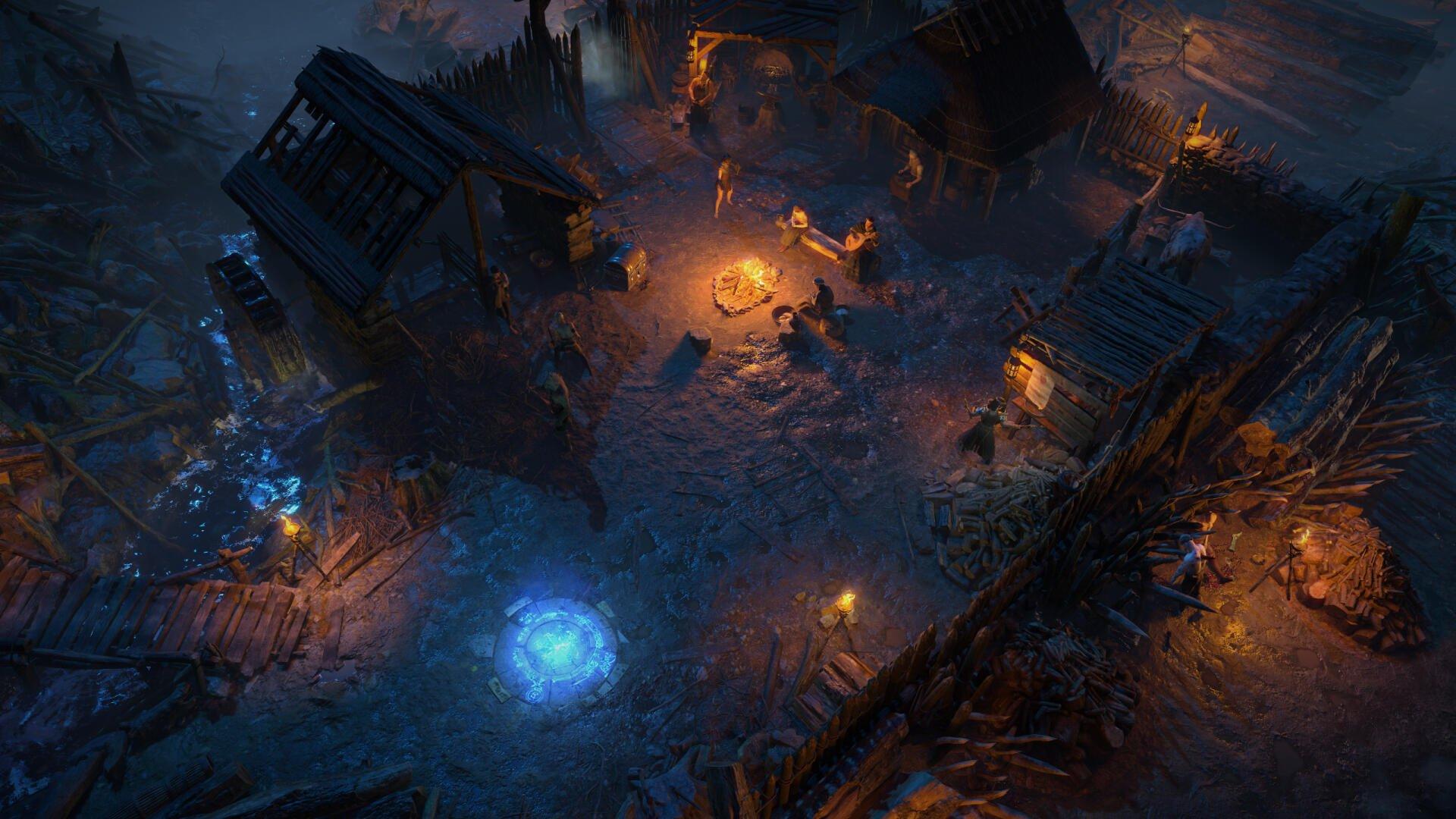
A build that sweeps through ordinary monsters can still feel powerless against a stubborn rare enemy. Before spending POE 2 Orbs on another upgrade, examine what changes when the crowd disappears. Fast clearing rewards coverage and immediate impact; tougher targets demand sustained pressure, reliable setup, and enough breathing room to complete your attacks.
Coverage Is Not Concentrated Damage
Wide attacks, spreading effects, and rapid movement make packs disappear efficiently. However, an effect that reaches several enemies does not necessarily strike one enemy several times. A screen full of damage can therefore conceal modest output against a single durable target.
Watch what your main skill actually does during a rare encounter. Are projectiles connecting consistently Does the enemy leave your damaging area If much of your output misses, expires early, or depends on nearby monsters, consider a focused skill or a support choice that favors repeated contact over additional coverage.
Make the Opening Sequence Count
Repeatedly using your main attack may be less effective than preparing the target first. Where your build supports them, resistance reduction, exposure, curses, or other relevant debuffs can make a short damage window more productive. Check each effect's conditions rather than assuming every setup tool helps equally.
For example, apply a useful debuff before committing to your strongest attack instead of remembering it halfway through the encounter. Alternatively, replace one coverage support with a compatible option that improves focused damage. Either adjustment may shorten difficult fights more noticeably than another improvement to pack clearing.
Count Safe Attacks, Not Just Damage
Your practical output depends on how often you can attack safely. A powerful skill offers little value if its animation repeatedly forces you to retreat before completion. Long setup sequences also lose value when enemy pressure interrupts them or forces constant repositioning.
Look for smaller commitments: attack after a threatening move finishes, refresh setup effects during safer moments, and reposition before starting another damage cycle. If you spend most of the fight recovering or escaping, better defenses or a faster skill may improve results more than a larger damage number.
Compare Encounters Before Committing
Test one adjustment at a time against similar rare enemies in comparable areas. Note encounter length, missed attacks, interrupted casts, and recovery time. Different enemy properties can distort comparisons, so one unusually quick victory is not enough evidence.
Then identify the limiting factor. Consistent attacks with little progress suggest insufficient damage. Strong bursts separated by long pauses suggest poor uptime. Frequent emergency retreats suggest survivability needs attention.
Use Path of Exile 2 Orbs to address the weakness your tests reveal, rather than improving clear speed while the same rare encounters remain slow.

 Arabic
 French
 Spanish
 Portuguese
 Deutsch
 Turkish
 Dutch
 Italiano
 Russian
 Romaian
 Portuguese (Brazil)
 Greek