


Hair Transplant in Dubai: Understanding the Process
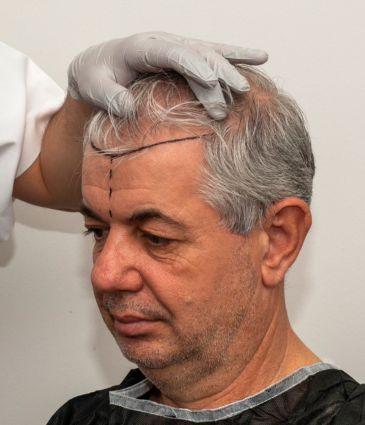
Hair loss can develop gradually, affecting the hairline, temples, crown, or overall scalp density. When thinning becomes noticeable, understanding the available restoration options can help people decide how to approach their hair concerns. Hair transplant in Dubai (زراعة الشعر في دبي) involves moving healthy hair follicles from a donor area to regions where additional coverage is needed.
The procedure follows several stages, including evaluating the scalp, planning the recipient area, extracting follicles, and implanting grafts. Each stage contributes to the final appearance, while recovery and new hair growth take place over the following months.
Step One: Assessing Hair Loss and Donor Hair
The process begins by examining the pattern and extent of hair loss. Factors such as hair thickness, scalp condition, family history, and the rate of thinning can influence the treatment plan. The donor area, usually at the back or sides of the scalp, is also assessed to determine how many suitable follicles may be available.
A realistic plan considers current hair loss as well as the possibility of future thinning. This helps distribute the available donor hair carefully rather than concentrating all the grafts in one area.
Determining the Number of Grafts
A graft is a small unit of tissue containing one or more hair follicles. The number needed depends on the size of the recipient area, existing hair density, hair characteristics, and desired coverage.
A higher graft count does not automatically guarantee a better outcome. Strategic placement and preservation of the donor supply are important for achieving a balanced appearance.
Step Two: Designing the Recipient Area
Hairline and coverage planning are essential parts of the procedure. The intended hairline should complement facial proportions and resemble natural hair growth rather than appear perfectly straight or artificially dense.
The distribution of grafts also varies across the scalp. The frontal region may require careful placement to create a soft transition, while the crown often needs a pattern that follows its natural circular growth direction.
Step Three: Extracting Hair Follicles
The extraction stage depends on the technique selected for the individual.
Follicular Unit Extraction
FUE involves removing individual follicular units from the donor area using specialised instruments. The extracted grafts are prepared for placement in the recipient area. This technique avoids a long linear scar, although small scars may remain at the extraction sites.
Follicular Unit Transplantation
FUT involves removing a narrow strip of scalp from the donor region. The strip is then divided into individual follicular units for transplantation. This method leaves a linear scar and may be suitable for selected individuals depending on their donor characteristics and treatment requirements.
Both techniques aim to preserve viable follicles. The appropriate method depends on the person's scalp, donor capacity, hairstyle preferences, and restoration goals.
Step Four: Implanting the Grafts
After extraction and preparation, the grafts are placed into the recipient area. The angle, direction, spacing, and distribution of each graft influence how the hair will look as it grows.
The frontal hairline generally requires a gradual transition, while areas behind it may need a different density pattern. In the crown, placement must account for the natural whorl. These details help transplanted hair blend with the surrounding strands.
What Happens Immediately After Treatment?
Mild redness, swelling, tenderness, and small scabs may develop after the procedure. These effects usually improve as the scalp heals, although recovery varies between individuals.
Following the aftercare instructions is important during this period. Gentle washing, avoiding scratching, and protecting the treated area from unnecessary friction can help prevent disruption of newly implanted grafts. Strenuous activities may need to be restricted temporarily.
Any worsening pain, spreading redness, fever, or unusual discharge should be assessed promptly.
Understanding Hair Growth After Transplantation
Hair restoration requires patience because the transplanted follicles pass through a natural growth cycle.
The Initial Shedding Phase
During the first few weeks, the transplanted hair shafts often shed. This is a common part of recovery and does not necessarily mean the follicles have failed. The follicles can remain in the scalp and later produce new strands.
The New Growth Phase
New hair may begin to appear around three to four months after treatment. Early growth can look fine or uneven, with gradual changes in thickness and coverage over time.
The Maturation Phase
More noticeable improvement commonly develops between six and twelve months. Some individuals, particularly those treated around the crown, may need twelve to eighteen months to appreciate the full result.
Factors That Influence the Outcome
The final appearance depends on donor hair quality, graft survival, the extent of hair loss, scalp health, and individual growth patterns. Hair thickness and curl can affect how much scalp coverage the transplanted strands provide.
Existing hair also matters. A transplant redistributes follicles rather than creating new ones, and non-transplanted hair may continue to thin. A long-term hair management plan can therefore be helpful for maintaining overall density.
Is Hair Transplant in Dubai Suitable for Everyone?
Not every type of hair loss is best managed through transplantation. People with adequate donor hair and stable patterns of hereditary thinning may be suitable candidates, while active scalp conditions or rapidly progressing hair loss may require further evaluation.
Understanding the cause of thinning is an important first step. Depending on the circumstances, medical management or other restoration approaches may be considered before or alongside a transplant.
Final Thoughts
Understanding each stage of hair transplant in Dubai helps set realistic expectations, from the initial scalp assessment and graft placement to recovery and gradual regrowth. The most appropriate approach depends on individual hair characteristics, donor availability, and long-term restoration goals. With careful planning and consistent aftercare, suitable candidates may achieve improved hair coverage over time. TAJMEELS DUBAI عيادة تجميل can be a starting point for exploring hair restoration options and learning about the factors involved in planning a suitable treatment approach.

 English
 Arabic
 French
 Spanish
 Portuguese
 Deutsch
 Turkish
 Dutch
 Italiano
 Russian
 Romaian
 Greek