


Male Fertility Test Guide: Types, Procedures, and What to Expect
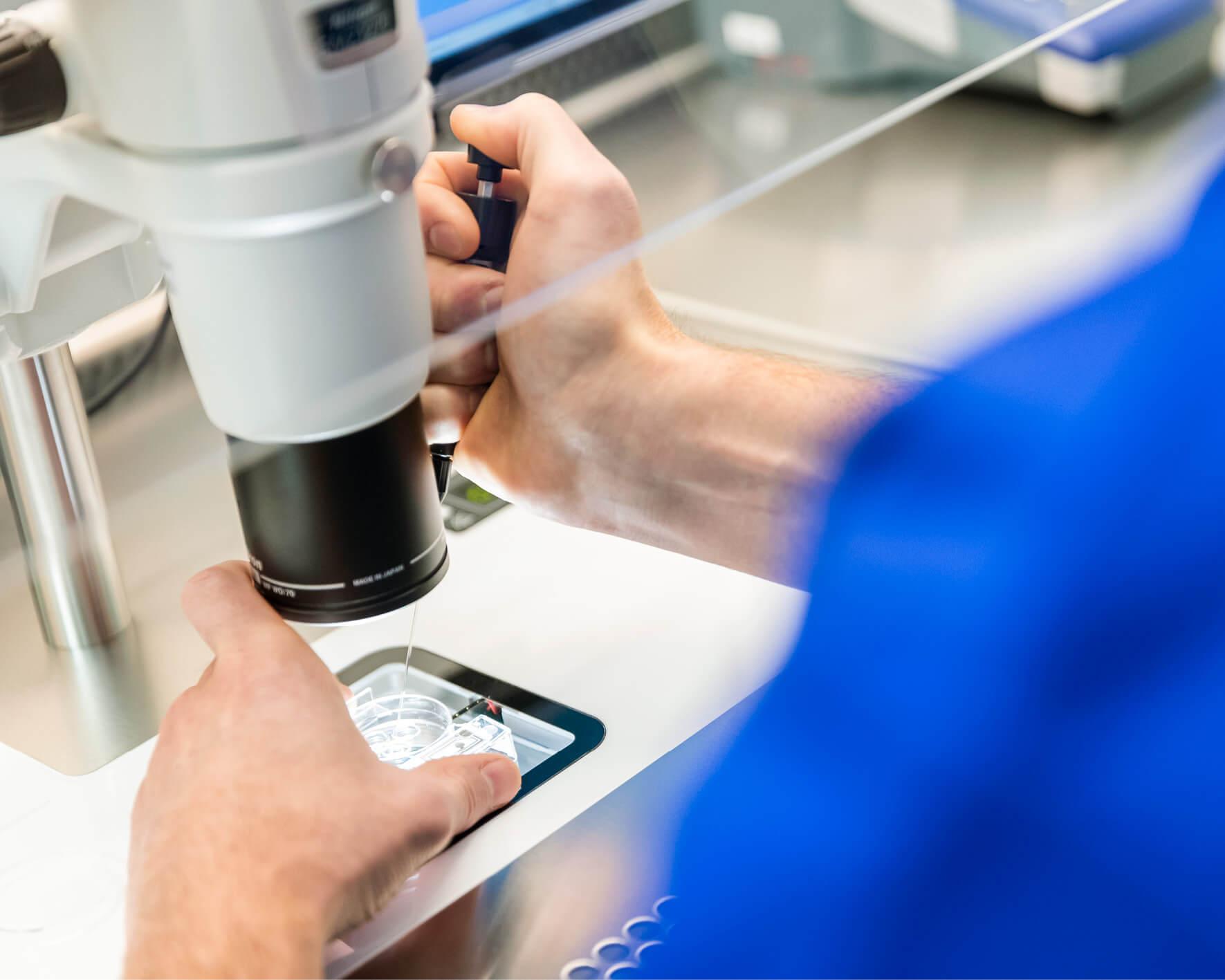
Fertility is an important part of reproductive health, yet many men do not consider their fertility status until they experience difficulty conceiving with their partner. Male reproductive health depends on several factors, including sperm count, sperm motility, hormone levels, and the normal functioning of the reproductive system. When one or more of these factors are affected, it may become more difficult to achieve pregnancy.
A Male Fertility Test in Dubai can help identify potential problems with sperm health and provide useful information about a man's reproductive potential. However, male infertility does not always cause noticeable symptoms, and many men with fertility problems feel completely healthy.
Recognizing possible warning signs can help you decide when to seek professional advice. From persistent testicular discomfort to hormonal changes and difficulty conceiving, certain symptoms may indicate that a fertility evaluation is worth considering. This guide explores ten signs that may warrant a male fertility test, explains what they could mean, and outlines when to speak with a healthcare professional.
Why Recognizing Male Fertility Problems Matters?
Male infertility refers to difficulties with reproductive function that reduce a man's ability to contribute to conception. It may be associated with low sperm production, impaired sperm movement, abnormal sperm structure, hormonal imbalances, or blockages in the reproductive tract.
According to established reproductive medicine guidance, fertility assessment generally considers both partners. A man does not need to experience obvious symptoms before undergoing testing, particularly when a couple has been trying to conceive without success.
A semen analysis is usually the first investigation used to evaluate male fertility. It measures sperm concentration, total sperm number, motility, and morphology, along with other characteristics of the semen sample. Additional testing may be recommended depending on the initial findings and medical history.
10 Signs You May Need a Male Fertility Test:
1. You Have Been Trying to Conceive Without Success
One of the most important reasons to consider male fertility testing is difficulty achieving pregnancy despite regular, unprotected sexual intercourse.
For couples where the female partner is younger than 35, a fertility evaluation is generally recommended after 12 months of unsuccessful attempts. When the female partner is 35 or older, assessment is commonly recommended after six months. Earlier evaluation may be appropriate when either partner has known fertility risk factors.
Difficulty conceiving does not automatically mean that the man has a fertility problem. However, semen analysis can help determine whether sperm-related factors may be contributing to the delay.
2. You Have a History of Low Sperm Count
A previously diagnosed low sperm count is another reason to consider a male fertility test, especially if the result was obtained some time ago or circumstances have changed.
Low sperm count, medically known as oligozoospermia, means that the concentration of sperm in semen is below the relevant reference range. Potential causes include hormonal disorders, certain genetic conditions, testicular injury, infections, and exposure to medications or substances that affect sperm production.
A repeat semen analysis may help confirm whether the problem persists. A healthcare professional can then determine whether additional investigations are necessary.
3. You Experience Testicular Pain, Swelling, or Discomfort
The testicles play a central role in sperm production. Persistent discomfort, swelling, a lump, or a noticeable change in testicular size should therefore be assessed by a healthcare professional.
Some conditions, including varicocele, involve enlarged veins around the testicle and may be associated with impaired sperm production in certain men. Other conditions can affect testicular function or require treatment for reasons unrelated to fertility.
Testicular symptoms do not necessarily indicate infertility, and a fertility test alone cannot diagnose every cause of pain or swelling. Sudden, severe testicular pain requires emergency medical assessment because it may indicate testicular torsion or another urgent condition.
4. You Notice Reduced Sexual Desire
A persistent decrease in sexual desire may sometimes be associated with low testosterone or another hormonal problem.
Testosterone is important for male sexual function and contributes to the regulation of reproductive processes. However, low libido can also result from stress, relationship difficulties, depression, poor sleep, certain medications, or other health conditions.
When reduced sexual desire occurs alongside other symptoms, such as fatigue, reduced body hair, or erectile difficulties, a clinician may consider hormone testing in addition to semen analysis.
It is important to remember that sexual desire and sperm production are not the same thing. A man can have a normal sex drive and still experience reduced fertility.
5. You Experience Erectile or Ejaculatory Difficulties
Erectile dysfunction and problems with ejaculation can interfere with conception, even when sperm production is normal.
Erectile dysfunction refers to difficulty achieving or maintaining an erection sufficient for sexual activity. Ejaculatory problems may include difficulty ejaculating, ejaculation that does not occur, or suspected retrograde ejaculation, in which semen enters the bladder instead of leaving through the penis.
These conditions can have several causes, including diabetes, nerve disorders, hormonal changes, medication effects, and psychological factors.
A healthcare professional may recommend a reproductive health assessment based on the symptoms. Depending on the circumstances, testing may include hormone measurements, semen analysis, or investigations for ejaculation-related problems.
6. You Have a History of Testicular Injury or Surgery
Previous testicular injuries, undescended testicles, or surgery involving the reproductive system may affect fertility in some men.
For example, undescended testicles can be associated with impaired sperm production, particularly when treatment was delayed. Certain operations involving the testicles, groin, or reproductive tract may also affect sperm production or the movement of sperm.
Not every injury or surgical procedure leads to infertility. However, men with these medical histories may benefit from discussing their reproductive health with a clinician, particularly before trying to conceive.
Depending on the circumstances, a male fertility test may provide useful baseline information about sperm concentration and function.
7. You Have Been Diagnosed With a Hormonal Disorder
Hormones regulate the processes involved in sperm production. Follicle-stimulating hormone, luteinising hormone, and testosterone all contribute to normal male reproductive function.
Disorders affecting the pituitary gland, hypothalamus, or testes can disrupt these hormonal signals. This may result in low sperm production, reduced testosterone levels, changes in sexual function, or other symptoms.
Men with known endocrine conditions may require targeted blood tests and, when appropriate, semen analysis. A clinician will determine which tests are necessary based on the symptoms, examination, and medical history.
Hormonal abnormalities do not always cause infertility, but identifying and treating an underlying condition may improve reproductive health in some cases.
8. You Have a History of Reproductive Tract Infections
Certain infections affecting the reproductive system may contribute to fertility problems. Depending on the infection and its severity, inflammation or scarring can sometimes interfere with sperm transport or reproductive function.
A history of sexually transmitted infections, epididymitis, or orchitis may be relevant when evaluating male fertility. Some infections can occur with few symptoms, while others cause pain, swelling, discharge, or discomfort during urination.
Having had an infection does not automatically mean that sperm quality has been affected. However, if you have concerns about past infections or have been trying to conceive without success, a healthcare professional can determine whether semen analysis or other investigations are appropriate.
9. You Use Testosterone Therapy or Anabolic Steroids
The use of external testosterone or anabolic steroids is an important factor to discuss during a fertility assessment.
Although testosterone therapy can increase testosterone levels in the bloodstream, it may suppress the hormonal signals that stimulate sperm production in the testes. In some men, this suppression can substantially reduce sperm count or cause sperm to disappear from the semen.
Men taking these substances who plan to have children should discuss their options with a qualified healthcare professional. Do not stop prescribed treatment or attempt fertility medication without medical guidance.
A clinician may recommend hormone testing, semen analysis, and a review of the treatment history to understand the potential effects on reproductive function.
10. You Have Lifestyle or Medical Risk Factors That May Affect Sperm Health
Certain lifestyle habits and medical conditions can influence male reproductive health. Smoking, heavy alcohol consumption, recreational drug use, obesity, and exposure to excessive heat may be relevant to a fertility assessment.
Other factors include chemotherapy, radiation treatment, some prescription medications, and chronic health conditions that affect hormonal or testicular function.
These risk factors do not guarantee that fertility will be impaired. Nevertheless, men with several risk factors or a history of fertility-affecting treatment may benefit from discussing testing with their healthcare professional.
A semen analysis can help assess sperm health, while additional investigations may be needed to identify the underlying cause of an abnormal result.
What Can a Male Fertility Test Reveal?
A male fertility test provides information about several aspects of reproductive function. The most common starting point is semen analysis, which evaluates:
-
Sperm concentration: The number of sperm in each millilitre of semen.
-
Total sperm number: The number of sperm in the entire ejaculate.
-
Sperm motility: How effectively sperm move.
-
Sperm morphology: The proportion of sperm with a normal shape.
-
Semen volume: The amount of semen produced during ejaculation.
Depending on the findings, a clinician may also recommend blood tests for testosterone, follicle-stimulating hormone, and luteinising hormone. A physical examination or further investigations may be appropriate when a specific medical condition is suspected.
An abnormal result does not necessarily mean that natural conception is impossible. Sperm measurements can vary, so repeat testing is often recommended when initial findings are abnormal. Results should always be interpreted in the context of the individual's medical history and the couple's fertility circumstances.
When Should You Speak With a Healthcare Professional?
Consider arranging a medical consultation if you have been trying to conceive without success, have persistent testicular symptoms, have a history of reproductive surgery, or experience symptoms suggesting a hormonal problem.
You should also discuss fertility testing if you are planning to have children after chemotherapy or other treatments that may affect sperm production.
A healthcare professional can review your symptoms, medications, and medical history before recommending appropriate investigations. Seeking advice early may help identify treatable conditions and clarify the available options.
Frequently Asked Questions:
Can you have male infertility without any symptoms?
Yes. Many men with reduced sperm count, poor sperm motility, or other fertility problems experience no obvious symptoms. Fertility testing may be the only way to identify these issues.
Does a normal sperm count mean you are fertile?
Not necessarily. Sperm count is only one part of the assessment. Motility, morphology, sexual function, reproductive anatomy, and other factors may also influence the likelihood of conception.
Is semen analysis enough to diagnose male infertility?
Semen analysis is usually the initial test, but it may not identify every cause of infertility. Depending on the results, a clinician may recommend hormone testing, a physical examination, genetic investigations, or other specialised tests.
Can male fertility improve after an abnormal result?
In some cases, yes. Treating an underlying condition, addressing certain lifestyle factors, or managing a medication-related problem may improve fertility. Outcomes depend on the cause, and not every condition is reversible.
Conclusion:
Recognizing possible signs of male fertility Lab tests problems can help you make informed decisions about reproductive health. Difficulty conceiving, a history of low sperm count, testicular symptoms, hormonal changes, sexual difficulties, and certain medical or lifestyle risk factors may all justify a professional assessment.
However, these signs do not confirm infertility, and the absence of symptoms does not guarantee normal sperm health. A male fertility test, usually beginning with semen analysis, can provide valuable information about sperm count, motility, morphology, and other reproductive factors.
If you have concerns about your fertility, speak with a qualified healthcare professional to determine whether testing is appropriate. Early assessment can help identify potential causes, guide further investigations, and support informed decisions about future family planning.

 English
 Arabic
 French
 Spanish
 Portuguese
 Deutsch
 Turkish
 Dutch
 Russian
 Romaian
 Portuguese (Brazil)
 Greek