


Neck Lift Surgery in Dubai: Risks and Side Effects
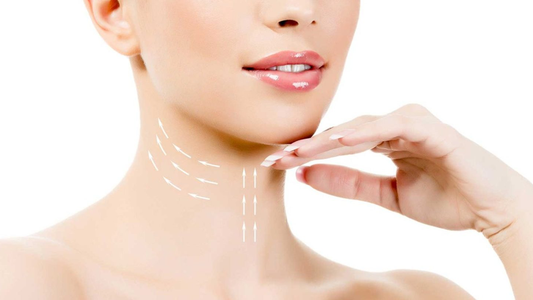
Neck lift surgery can improve the appearance of loose skin, prominent neck bands, and reduced jawline definition. However, understanding the potential risks and side effects is just as important as learning about the possible aesthetic benefits. Neck lift surgery in Dubai involves a surgical procedure, and the recovery experience can vary depending on individual health, anatomy, and the techniques used.
Knowing what to expect before and after treatment can help you prepare for recovery, recognize warning signs, and make an informed decision about neck rejuvenation.
What Are the Common Side Effects of Neck Lift Surgery?
Some side effects are expected during the initial healing period. They generally improve as the body recovers, although their severity and duration differ between individuals.
Swelling Around the Neck
Swelling is one of the most common effects after surgery. It occurs as the tissues respond to the procedure and may temporarily make the neck appear fuller or uneven.
Swelling generally improves gradually over the following weeks, although minor residual swelling can persist for several months. Keeping your head elevated and following the recommended aftercare instructions may help support recovery.
Sudden or rapidly increasing swelling, particularly when accompanied by severe pain or difficulty breathing, requires urgent medical attention.
Bruising and Skin Discoloration
Bruising may develop around the neck, beneath the chin, or near the incision areas. The discoloration often changes over time as the body gradually reabsorbs blood beneath the skin.
Avoid rubbing or massaging the treated area unless specifically instructed. If bruising spreads rapidly or is associated with substantial swelling or bleeding, seek prompt medical assessment.
Tightness and Discomfort
A feeling of tightness is common after the skin and underlying tissues have been repositioned. Some people also experience soreness or discomfort when turning their head.
These sensations generally improve during healing. Follow the recommended activity restrictions and use only approved pain-relief medication.
Temporary Changes in Sensation
Numbness, tingling, or altered sensitivity can occur around the neck and nearby areas. These symptoms may result from temporary disturbance of small sensory nerves during surgery.
Sensation often improves gradually, but recovery can take weeks or months. Persistent, worsening, or unusual symptoms should be discussed during follow-up appointments.
What Are the Potential Risks of Neck Lift Surgery in Dubai?
In addition to temporary side effects, neck lift surgery carries risks that may require further treatment or affect the final appearance.
Infection
An infection can develop around an incision or within the treated tissues. Possible signs include increasing redness, warmth, worsening pain, fever, or unusual discharge.
Following wound-care instructions and attending follow-up appointments can help identify problems early. Suspected infection requires prompt medical evaluation.
Bleeding and Hematoma
Bleeding can occur during or after surgery. In some cases, blood collects beneath the skin, creating a hematoma that may cause swelling, pressure, discomfort, or asymmetry.
A rapidly expanding neck hematoma can be a serious complication because swelling in this area may affect breathing. Sudden neck enlargement or difficulty breathing requires emergency care.
Visible Scarring
Neck lift surgery requires incisions, so scars are an unavoidable possibility. Incisions are usually planned to make scars less noticeable, but their appearance depends on skin type, healing, genetics, and incision placement.
Some people develop raised, widened, or more noticeable scars. Following wound-care advice and protecting healed scars from excessive sun exposure may help support better scar maturation.
Asymmetry and Uneven Contours
The neck may appear uneven during early recovery because swelling does not always develop equally on both sides. Some temporary asymmetry may improve as healing progresses.
However, persistent unevenness, contour irregularities, or an outcome that differs from expectations may require further assessment. Perfect symmetry cannot be guaranteed.
Nerve Injury
Nerves in the neck and surrounding facial area may be affected during surgery. Temporary sensory changes can occur, while nerve injuries affecting movement are less common but potentially more serious.
The type and severity of symptoms depend on the nerve involved. New weakness, facial movement changes, or persistent sensory problems should be assessed promptly.
Delayed Wound Healing
Some incisions take longer to heal, particularly when blood circulation is impaired or other health factors are present. Smoking, nicotine use, certain medical conditions, and some medications may increase the risk.
Following preoperative and postoperative instructions can help reduce avoidable risks, but delayed healing cannot always be prevented.
Who May Have a Higher Risk of Complications?
Surgical risks depend partly on individual health and lifestyle factors. Certain circumstances may require additional assessment or changes to the treatment plan.
Smoking and Nicotine Use
Nicotine can reduce blood flow and interfere with wound healing. Smoking may increase the likelihood of complications, including delayed healing and unfavorable scars.
Discuss nicotine cessation well before surgery and follow the recommended period of avoidance during recovery.
Existing Medical Conditions
Some medical conditions can affect bleeding, circulation, immune function, or anesthesia safety. These factors should be reviewed before an elective procedure.
Provide a complete medical history and disclose all medications, supplements, allergies, and previous surgical complications.
Medications That Affect Bleeding
Certain prescription medicines, over-the-counter products, and supplements can influence bleeding or interact with anesthesia. Never stop prescribed medication on your own. Any adjustments should be made with the appropriate healthcare professional.
Unrealistic Expectations
A neck lift can improve selected concerns, but it cannot stop aging, guarantee perfect symmetry, or eliminate every wrinkle. Understanding these limitations helps you evaluate the likely benefits realistically.
How Can You Reduce the Risks of Neck Lift Surgery?
Although no surgical procedure is completely risk-free, preparation and appropriate aftercare can help reduce avoidable complications.
Choose an Appropriately Qualified Surgical Professional
Confirm that the professional performing the procedure has the appropriate qualifications, relevant surgical experience, and current authorization to practice in Dubai. Ask about the surgical setting, safety arrangements, and how complications are managed.
Attend a Thorough Preoperative Assessment
A comprehensive assessment helps identify factors that could affect the procedure or recovery. It should include a review of your health history, medications, allergies, and expectations.
Ask questions about the proposed technique, alternatives, possible complications, and expected results before giving consent.
Follow Recovery Instructions Carefully
Follow the instructions for wound care, medication, sleeping position, and activity restrictions. Avoid strenuous exercise, heavy lifting, smoking, and unapproved products during the recommended recovery period.
Keep all scheduled follow-up appointments, even if the healing process appears to be progressing normally.
How Long Do Side Effects Last After Neck Lift Surgery?
Recovery differs between individuals, but the following timeline provides a general guide.
First Week
Swelling, bruising, tightness, and discomfort are often most noticeable during the early recovery period. Rest and following the prescribed care plan are particularly important.
Two to Four Weeks
Many people notice gradual improvement in bruising and swelling. Some may return to desk-based work, depending on their recovery and the nature of their activities.
One to Three Months
The neck contour generally becomes easier to assess as swelling decreases. Mild firmness, residual swelling, or altered sensation may continue during this period.
Several Months After Surgery
The tissues continue to settle, and the final contour becomes clearer. Some scars and sensory changes may take longer to mature or resolve.
These timeframes are estimates rather than guarantees. Sudden deterioration or symptoms that are worsening instead of improving should not be dismissed as normal recovery.
When Should You Seek Medical Attention?
Contact your surgical team promptly if you develop increasing redness, fever, wound discharge, worsening pain, or symptoms that are not improving as expected.
Seek emergency medical care for difficulty breathing or swallowing, rapidly expanding neck swelling, heavy bleeding, chest pain, or sudden severe symptoms. These may indicate complications requiring immediate treatment.
Frequently Asked Questions
Is Neck Lift Surgery Safe?
Neck lift surgery can be performed safely in appropriately selected patients, but every operation carries risks. Individual health, surgical technique, and postoperative care all influence safety.
Is Swelling Normal After a Neck Lift?
Yes. Swelling is common after surgery and usually improves gradually. Sudden or rapidly increasing swelling requires urgent assessment.
Can Neck Lift Surgery Cause Permanent Scars?
Yes. Scars are permanent, although they often become less noticeable as they mature. Their appearance varies according to skin characteristics, incision placement, and healing.
Can Numbness Occur After Surgery?
Temporary numbness or altered sensation can occur. Persistent or worsening symptoms should be evaluated by an appropriate healthcare professional.
Can Complications Affect the Final Results?
Yes. Infection, bleeding, delayed healing, scarring, and contour irregularities can influence the final outcome. Following aftercare instructions and seeking prompt assessment for concerning symptoms can help address problems early.
Conclusion
Neck lift surgery in Dubai may improve loose skin, neck bands, and jawline definition, but it is important to understand the potential side effects and surgical complications before proceeding. Swelling, bruising, tightness, and temporary changes in sensation are common during recovery, while infection, bleeding, nerve injury, and unfavorable scarring are important risks to discuss. A thorough assessment, realistic expectations, and appropriate aftercare can help support safer decision-making. TAJMEELS CLINIC can be a starting point for exploring neck rejuvenation options and learning about the questions to consider before treatment.
For More Details, Contact Us Through:
WhatsApp: +971 56 203 8751
Phone: +971 4 373 9000
Social Media:

 Arabic
 French
 Spanish
 Portuguese
 Deutsch
 Turkish
 Dutch
 Italiano
 Russian
 Romaian
 Portuguese (Brazil)
 Greek