


Garden Design Hertfordshire: Creating Beautiful and Timeless Outdoor Spaces
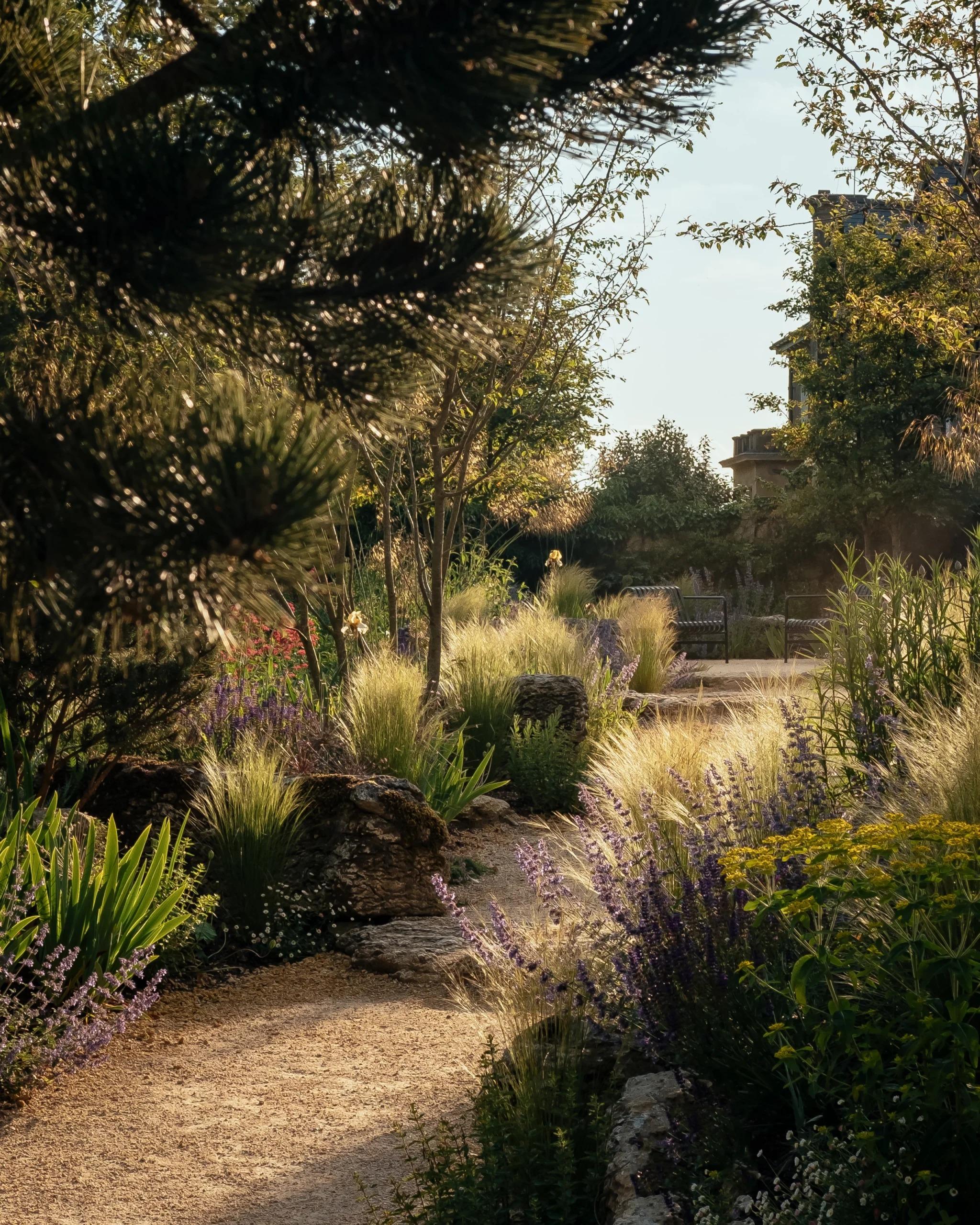
A well-designed garden can transform a property, creating a welcoming place to relax, entertain, and enjoy the outdoors throughout the year. Across Hertfordshire, gardens range from traditional cottage plots and established suburban spaces to contemporary landscapes and expansive country gardens. Each offers opportunities to combine thoughtful planting, attractive materials, and practical outdoor living.
Professional garden design begins with understanding the property and the people who use it. By considering the garden's layout, existing features, soil conditions, and the homeowner's lifestyle, it is possible to create an outdoor space that feels distinctive, functional, and connected to its surroundings.
Designing a Garden That Suits Your Lifestyle
Every successful garden starts with a clear idea of how the space should be used. Some homeowners want a peaceful retreat with lush planting and comfortable seating, while others need a spacious terrace for entertaining, an open lawn for family activities, or a dedicated area for growing flowers and vegetables.
A thoughtful layout can bring these different requirements together. A patio close to the house creates a convenient dining area, while pathways can guide visitors through planted borders towards a secluded seating spot. Hedges, ornamental grasses, and strategically positioned shrubs can introduce privacy without making the garden feel enclosed.
It is also important to consider how the garden looks from indoors. A carefully placed tree, attractive planting border, or distinctive feature can create an appealing view from the kitchen or living room, helping the garden feel like a natural extension of the home.
Reflecting Hertfordshire's Diverse Property Styles
Hertfordshire has a varied architectural character, including historic cottages, period homes, modern developments, and rural properties. The garden should complement its setting while expressing the homeowner's personal preferences.
Traditional properties may suit natural stone, brick detailing, soft planting schemes, and established-looking borders. Contemporary homes often work well with clean lines, structured planting, and a coordinated selection of paving and landscaping materials.
The surrounding landscape can also influence the design. Naturalistic planting and informal pathways may create a relaxed countryside atmosphere, while symmetrical borders and clearly defined terraces can provide a more formal appearance.
Before making design decisions, assess the garden's existing conditions. Sunlight, soil composition, drainage, mature trees, and changes in ground level all affect which features and plants will work best. Understanding these factors at the outset helps create a design that is attractive as well as practical.
Choosing Plants for Year-Round Interest
Planting gives a garden its colour, texture, structure, and seasonal character. A balanced scheme combines different types of plants so that the garden remains visually interesting beyond the main flowering season.
Evergreen shrubs can provide structure during winter, while spring bulbs introduce colour after colder months. Flowering perennials create summer displays, and ornamental grasses add movement and texture as the seasons change. Trees and larger shrubs can provide height, shade, and focal points where space allows.
The best planting choices depend on the conditions within the garden. Sunny borders may support different plants from shaded areas beneath trees or alongside buildings. Soil type and drainage also influence plant health, so selecting varieties suited to the site can reduce maintenance and encourage stronger growth.
Repeating particular plants throughout the garden creates continuity, while contrasting leaf shapes, flower colours, and heights add depth. A carefully planned planting scheme can mature beautifully over time without becoming overcrowded.
Making Outdoor Spaces More Functional
Hard landscaping provides the structure that allows a garden to work effectively. Patios, pathways, steps, raised beds, retaining walls, and seating areas can improve accessibility while contributing to the overall appearance.
Smaller gardens often benefit from simple layouts, consistent materials, and features that serve more than one purpose. Built-in benches, vertical planting, and compact trees can introduce interest without occupying too much space.
Larger gardens may accommodate separate zones for outdoor dining, relaxation, recreation, and planting. These areas can be connected through pathways, changes in paving, and carefully positioned vegetation, creating a natural flow throughout the garden.
Sloping gardens require particular consideration. Terraces, steps, and retaining structures may make different levels easier to use, but drainage and structural requirements should be assessed before construction. Selecting durable materials suited to their intended use can also help reduce long-term maintenance.
Incorporating Sustainable Garden Design
Sustainable choices can help create an outdoor space that supports wildlife, manages water responsibly, and remains attractive over time. These principles can be incorporated into traditional, contemporary, and naturalistic garden styles.
Consider the following ideas when planning a garden:
-
Wildlife-friendly planting: Include suitable flowering plants that provide nectar and pollen for pollinators.
-
Water conservation: Collect rainwater and choose plants suited to the site's natural conditions.
-
Healthy soil: Use appropriate compost and organic matter to support soil structure and plant growth.
-
Permeable surfaces: Consider gravel or suitable permeable paving where site conditions allow rainwater to drain naturally.
-
Long-lasting materials: Choose durable landscaping products that suit the property's style and intended use.
-
Reduced maintenance: Allow sufficient space for plants to mature and select varieties that suit their growing conditions.
Sustainability is most effective when considered from the beginning. Integrating these ideas into the layout and planting plan can create a garden that balances environmental responsibility with everyday enjoyment.
The Benefits of Working With a Professional Garden Designer
Planning a garden transformation involves coordinating numerous elements, including the layout, planting, materials, lighting, and construction details. A professional designer can help bring these components together into a coherent plan.
Matthew Childs Design offers bespoke garden and landscape design services, creating outdoor spaces tailored to individual clients and their properties. The studio's approach considers the character of the setting alongside practical requirements, helping homeowners explore ideas and develop a clear design direction.
Depending on the project, the process may include site analysis, concept development, master planning, planting design, detailed specifications, and support during implementation. Having a considered plan can help homeowners make informed decisions about materials, construction requirements, and budget priorities.
Before starting, think about the features that matter most to you. Sharing your preferred style, maintenance expectations, budget, and intended use of the garden can help establish a strong foundation for the project.
Creating a Garden That Grows With You
A successful garden should look beautiful while supporting the way you live. Comfortable seating, thoughtful planting, practical pathways, and well-chosen materials can turn an ordinary outdoor area into a welcoming space for everyday use.
Whether you are updating an established garden or planning a complete transformation, careful preparation helps unlock the potential of the property. With garden design Hertfordshire, a tailored approach can create an outdoor environment that complements the home, responds to its surroundings, and remains enjoyable throughout the seasons.
Frequently Asked Questions
1. What does a garden design service include?
Depending on the project, a garden design service may include a site assessment, layout plans, planting schemes, material recommendations, construction drawings, and support during implementation. The scope should be agreed before the project begins.
2. Can a professional designer help with a small garden?
Yes. A considered layout, suitable planting, built-in seating, and coordinated materials can help make a small garden feel more spacious and functional.
3. How can I make my garden easier to maintain?
Choose plants suited to the garden's conditions, allow room for mature growth, use mulch where appropriate, and select durable materials. A practical design can reduce unnecessary upkeep while preserving visual interest.
4. What should I consider before redesigning my garden?
Think about your budget, preferred style, intended uses, maintenance requirements, and any existing features you want to retain. Site conditions, drainage, sunlight, and access should also be assessed before finalising the design.
5. When should I start planning a garden transformation?
Begin well ahead of your preferred landscaping period. This allows time to develop the design, agree on materials, organise contractors, and plan planting around seasonal requirements.

 Arabic
 French
 Spanish
 Portuguese
 Deutsch
 Turkish
 Dutch
 Italiano
 Russian
 Romaian
 Portuguese (Brazil)
 Greek