


Neck Lift Surgery in Dubai: Recovery and Healing
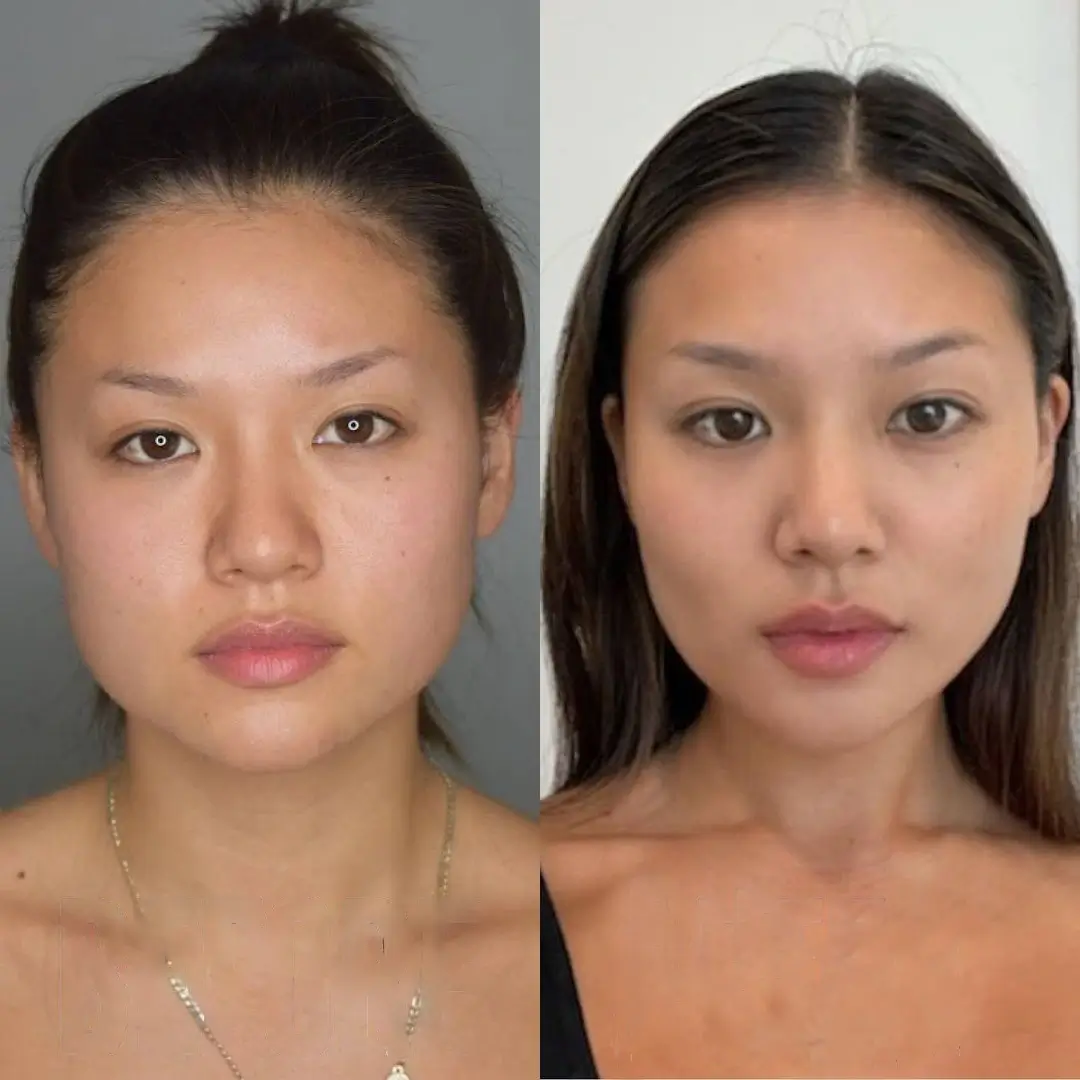
Achieving a smoother, more defined neck is a common goal for people experiencing loose skin, visible neck bands, or reduced jawline definition. Neck lift surgery in Dubai is a cosmetic procedure that can address these concerns by improving the contours of the neck and the area beneath the chin.
Although the surgical procedure is an important part of the process, recovery and healing also play a significant role in the final outcome. Understanding the stages of recovery, knowing how to care for the treated area, and following appropriate medical advice can help you prepare for the experience.
What Is Neck Lift Surgery?
Neck lift surgery is a cosmetic procedure designed to improve the appearance of the neck by addressing excess skin and, when appropriate, underlying tissues or prominent muscles.
Depending on individual needs, the procedure may involve removing loose skin, tightening selected tissues, or improving the definition beneath the chin. The surgical technique depends on the person's anatomy, skin elasticity, and aesthetic goals.
Neck lift surgery in Dubai may be considered by individuals who want to reduce visible signs of ageing and achieve a smoother neck profile. However, results vary, and the procedure does not stop the natural ageing process.
What to Expect Immediately After Surgery
The first few days following surgery are an important part of the healing process. Swelling, bruising, tightness, and mild discomfort are common as the body begins to recover.
Some individuals may experience temporary numbness around the neck or ears. The extent of these symptoms depends on the surgical technique and individual healing response.
Your treating professional will provide instructions on wound care, medication, sleeping positions, and activity restrictions. Following these recommendations can help support healing and reduce the risk of complications.
Neck Lift Recovery Timeline
First 24 to 72 Hours
During the first few days, swelling and bruising may be noticeable around the neck and jawline. Rest is important, and keeping your head elevated as instructed may help manage swelling.
Avoid unnecessary neck movements, strenuous activities, and pressure on the treated area. Take prescribed medication according to your post-operative instructions and attend any scheduled early follow-up appointments.
First Week After Surgery
Swelling and bruising may remain visible during the first week, although their severity varies. You may also notice tightness or changes in skin sensation around the surgical area.
Keep the incision sites clean and follow the wound-care instructions provided to you. Avoid applying skincare products, makeup, or other substances near healing incisions unless your treating professional approves them.
Some people may be able to resume light daily activities during this period, but recovery requirements differ according to the extent of surgery.
Two Weeks After Surgery
Many patients notice gradual improvement in bruising and swelling during the second week. The neck may begin to look more defined, although the tissues will still be healing.
Depending on your progress, you may be able to return to certain routine activities. The timing of your return to work, driving, and exercise should be guided by your recovery and medical advice.
Four to Six Weeks After Surgery
By this stage, many of the more noticeable signs of recovery have improved. However, some swelling, tightness, or altered sensation may continue.
Strenuous exercise and demanding physical activities should only be resumed when your treating professional confirms that it is safe. Following the recommended recovery schedule helps protect the healing tissues.
Long-Term Healing
The final appearance develops gradually as swelling settles and the tissues continue to heal. Scars may initially look pink or raised before becoming less noticeable over time.
Individual healing varies, and some people need several months to appreciate the full cosmetic outcome. Regular follow-up appointments help monitor progress and address any concerns.
Tips for a Smoother Recovery
Follow Post-Operative Instructions
Your aftercare plan is tailored to the procedure performed and your individual needs. Follow instructions regarding wound care, medication, sleeping positions, and activity restrictions.
Do not change your medication schedule or use additional treatments without discussing them with your treating professional.
Keep Your Head Elevated
Keeping your head elevated while resting may help reduce swelling during the early recovery period. Follow the recommended sleeping position and avoid pressure on the neck.
If you have been given specific instructions about positioning or compression garments, follow them carefully.
Stay Hydrated and Eat Balanced Meals
Adequate hydration and a balanced diet support normal bodily functions during recovery. Include a variety of nutritious foods, including sources of protein, fruits, vegetables, and other foods that meet your nutritional needs.
There is no single food that guarantees faster healing, but maintaining a balanced diet can support overall recovery.
Avoid Smoking
Smoking can interfere with blood circulation and wound healing. Avoid smoking and discuss nicotine use with your treating professional before surgery and throughout the recommended recovery period.
Protect Healing Skin
Healing skin and scars can be sensitive to sunlight. Once the incision sites have healed sufficiently and your treating professional approves it, use appropriate sun protection to help reduce the risk of scar discolouration.
Avoid applying products directly to healing incisions unless they have been recommended for that purpose.
How to Manage Swelling and Bruising
Swelling and bruising are common after neck lift surgery. They generally improve gradually, although the timeline varies depending on the surgical technique and the body's healing response.
Resting with your head elevated and avoiding strenuous activity may help manage swelling. Use cold compresses only if your treating professional recommends them and explains how to apply them safely.
Do not massage the neck, apply excessive pressure, or use unapproved devices on the treated area. These actions may interfere with healing.
Contact your treating professional if swelling suddenly increases, pain becomes severe, or the surgical area develops unusual redness or discharge. Rapidly expanding swelling or difficulty breathing requires emergency medical attention.
Is Pain Normal During Neck Lift Recovery?
Mild to moderate discomfort, tightness, and tenderness can occur after surgery. These symptoms generally improve as healing progresses.
Medication may be recommended to help manage discomfort. Take it according to the instructions provided, and do not add other medication without checking whether it is suitable.
Severe, worsening, or unexpected pain should not be ignored. Prompt medical assessment can help identify complications that require treatment.
When Can You Return to Normal Activities?
The return to normal activities depends on the extent of surgery and your individual progress. Light activities may be possible relatively early, while strenuous exercise, heavy lifting, and movements that strain the neck may need to be postponed.
Driving should be avoided while you are taking medication that affects alertness or when neck movement is restricted. You should only resume driving when you can move comfortably and safely and have been cleared to do so when necessary.
Follow-up advice is particularly important before returning to activities that could place tension on healing incisions.
Potential Complications During Recovery
Although many people recover without major problems, neck lift surgery carries potential complications. These include infection, bleeding, fluid accumulation, delayed wound healing, visible scarring, and changes in skin sensation.
Other possible complications include asymmetry, nerve injury, and results that do not meet expectations. Recognising unusual symptoms and seeking advice promptly can help ensure that problems are assessed appropriately.
Contact your treating professional if you develop fever, increasing redness, unusual wound discharge, worsening pain, or sudden swelling. Seek emergency care for difficulty breathing or rapidly expanding swelling.
How Long Do Neck Lift Results Last?
Neck lift surgery can provide long-lasting improvements in the appearance of the neck, but results vary between individuals. Age, genetics, skin quality, lifestyle, and changes in body weight can influence the long-term outcome.
The procedure does not stop ageing, so the skin and underlying tissues will continue to change over time. Nevertheless, improvements in neck contour may remain visible for years.
Maintaining a stable weight, protecting the skin from excessive sun exposure, and following a suitable skincare routine can support the appearance of the treated area.
Conclusion
Recovery after neck lift surgery in Dubai involves several stages, from managing initial swelling and bruising to allowing the tissues and scars to heal over time. Following post-operative instructions, attending follow-up appointments, and allowing adequate time for recovery are important parts of the process.
Individual healing times and results vary, so it is important to discuss activity restrictions, potential complications, and realistic expectations before undergoing surgery. Choosing a suitably qualified plastic surgeon and an appropriate surgical facility also helps support informed decision-making.
For those exploring aesthetic treatment options, TAJMEELS CLINIC can be a starting point for learning about available services and arranging a consultation to discuss neck rejuvenation, recovery expectations, and individual treatment goals.
For More Details, Contact Us Through:
WhatsApp: +971 56 203 8751
Phone: +971 4 373 9000
Social Media:

 English
 Arabic
 French
 Spanish
 Portuguese
 Deutsch
 Turkish
 Italiano
 Russian
 Romaian
 Portuguese (Brazil)
 Greek