


Liposuction Surgery in Dubai: Recovery Timeline
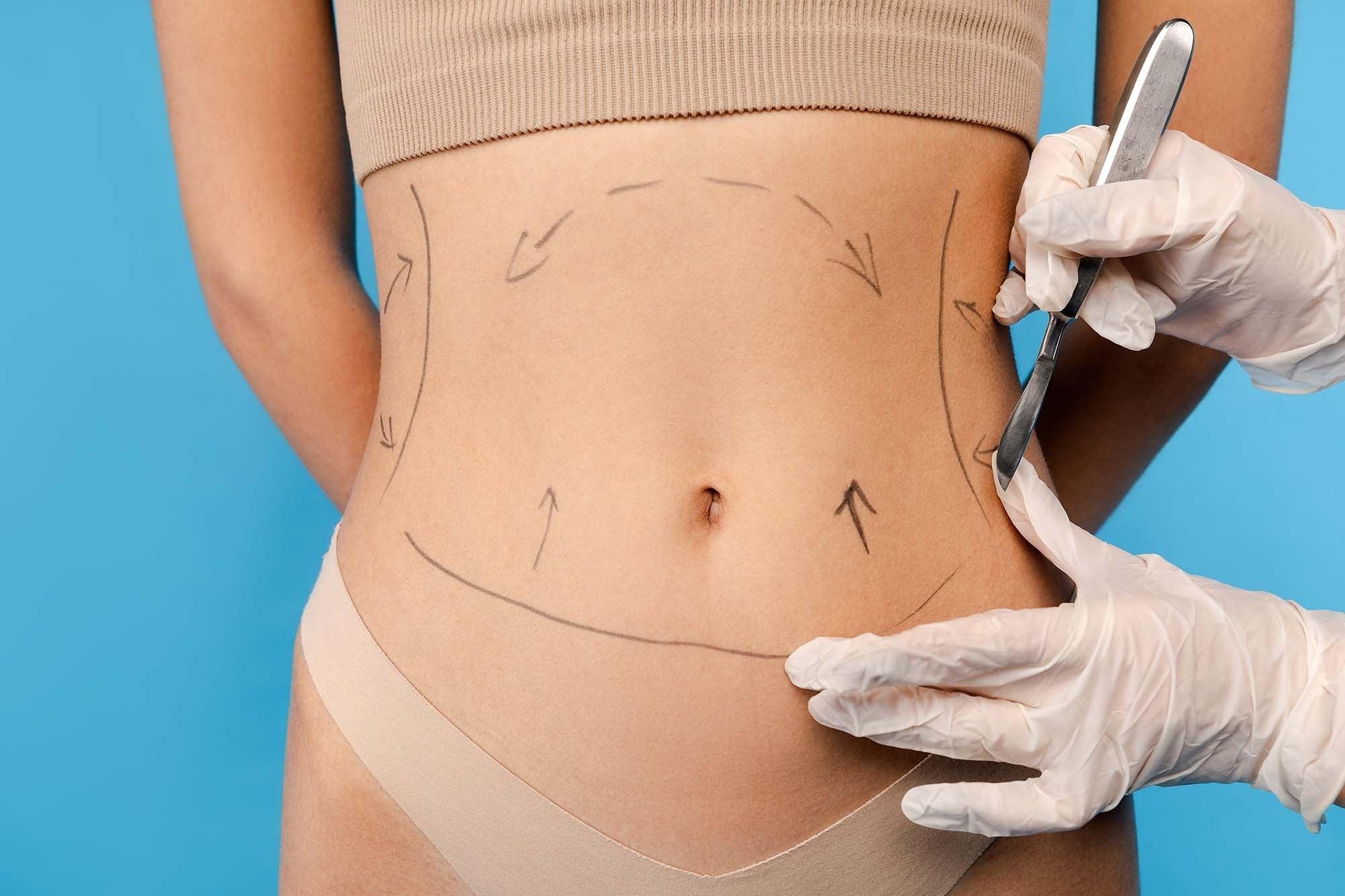
Liposuction surgery in Dubai (جراحة شفط الدهون في دبي) helps suitable individuals reduce stubborn fat deposits and improve body contours. While the procedure focuses on reshaping specific areas, recovery is an important part of achieving the intended results. Swelling, bruising, tenderness, and temporary changes in sensation may occur as the body heals. Understanding the recovery timeline can help you prepare for daily activities, follow appropriate aftercare instructions, and develop realistic expectations about when your new body contours will become visible.
What to Expect After Liposuction Surgery
Recovery after liposuction varies depending on the treatment areas, the amount of fat removed, the surgical technique, and individual healing. Some people recover relatively quickly after a limited procedure, while more extensive treatment may require additional time.
During the first few days, swelling and bruising are common. Compression garments may be recommended to support the treated areas, and gentle walking is often encouraged when medically appropriate. Strenuous exercise, heavy lifting, and other demanding activities should be avoided until the surgical team confirms that they are safe.
Following postoperative instructions carefully can help support healing and reduce the likelihood of preventable complications.
Liposuction Surgery in Dubai Recovery Timeline
First 24 to 48 Hours
The initial recovery period typically involves rest, mild to moderate discomfort, swelling, and bruising. Some fluid drainage from small incision sites may occur, depending on the technique used.
Follow the instructions provided for wound care, medication, hydration, and movement. Arrange for assistance at home if necessary, particularly if you have received anesthesia that affects alertness or mobility.
Short, gentle walks may be encouraged to support circulation, but avoid strenuous movements and activities that place pressure on the treated areas.
Days 3 to 7
During the first week, discomfort may begin to improve, although swelling and bruising can remain noticeable. The treated areas may feel firm, tender, or temporarily numb.
Continue wearing compression garments if recommended, and keep incision sites clean according to your postoperative instructions. Avoid soaking healing wounds or applying unapproved products to the treated skin.
Some individuals can return to light daily activities during this period, depending on the extent of surgery and their recovery. More demanding tasks may require additional time.
Weeks 2 to 3
Many people experience gradual improvement in bruising and tenderness during the second and third weeks. Swelling may decrease, making the body's changing contours easier to notice.
Depending on the procedure and the nature of their work, some individuals may be able to resume normal daily responsibilities. However, returning to exercise, lifting heavy objects, or performing physically demanding tasks should depend on medical clearance.
Continue following garment instructions and attend scheduled follow-up appointments to monitor healing.
Weeks 4 to 6
By this stage, many patients have recovered sufficiently to resume more of their usual activities, although the timeline varies. Bruising often becomes less noticeable, and body contours may appear more defined as swelling decreases.
Some people may be permitted to return gradually to more intensive exercise. The appropriate timing depends on the treated areas, healing progress, and recommendations from the surgical team.
It is important not to rush recovery simply because the incisions appear to have healed.
Two to Three Months
Over the following months, residual swelling may continue to improve, allowing the results to become clearer. The treated areas may feel more natural as tissues settle and healing progresses.
The final appearance can take longer to develop, especially after extensive liposuction. Patience and consistent aftercare are important during this stage.
Factors That Affect Liposuction Recovery
Number of Treatment Areas
Treating one small area may involve a different recovery experience from treating the abdomen, flanks, and thighs together. More extensive procedures can increase swelling, bruising, and the time needed before returning to demanding activities.
Surgical Technique
Traditional liposuction, VASER liposuction, and laser-assisted liposuction use different approaches to fat removal. Recovery depends on the specific procedure, the extent of treatment, and individual factors rather than the technique's name alone.
Skin Elasticity and Overall Health
Skin quality influences how the treated areas adapt after fat removal. Overall health, nutrition, smoking, medications, and pre-existing medical conditions may also affect healing.
Discuss your medical history and any concerns before surgery so that your treatment and recovery plan can be tailored appropriately.
Postoperative Care
Following instructions about wound care, compression garments, movement, and activity restrictions can support recovery. Attending follow-up appointments also helps identify concerns before they become more serious.
The Importance of Compression Garments
Compression garments are commonly recommended after liposuction to provide support to treated areas and help manage swelling. The recommended garment and duration of use depend on the procedure and the surgical team's instructions.
Wear the garment as directed and ensure it fits appropriately. It should not cause severe pain, unusual skin discoloration, or difficulty breathing. If you experience these problems, seek prompt medical advice rather than adjusting the treatment plan on your own.
Compression garments are not a substitute for proper wound care or follow-up appointments.
Managing Swelling and Bruising After Liposuction
Swelling and bruising are normal parts of the healing process. Although these effects generally improve over time, their duration varies between individuals.
Follow the recommended schedule for wearing compression garments and taking prescribed medication. Gentle walking may be encouraged, while prolonged inactivity and strenuous exercise should be managed according to medical advice.
Stay hydrated, eat balanced meals, and get adequate rest. Avoid smoking during recovery because it can impair healing. Do not use unapproved supplements or medications to manage swelling without checking with a qualified healthcare professional.
If swelling suddenly worsens, one leg becomes painful or unusually swollen, or you develop fever or increasing redness around an incision, seek medical assessment promptly.
When Can You Return to Work and Exercise?
The timing depends on the type of work you do and the extent of your procedure. People with desk-based jobs may be able to return earlier than those whose work involves lifting, prolonged standing, or strenuous physical activity.
Light movement is often encouraged soon after surgery when appropriate. More intense exercise should resume gradually and only when cleared by the surgical team.
Avoid comparing your recovery directly with someone else's experience. A safe return to activity depends on your healing progress rather than a fixed date.
When Will Liposuction Results Become Visible?
Initial changes may be noticeable soon after surgery, but swelling can temporarily make the treated areas appear larger or less defined than expected.
As swelling subsides over several weeks and months, the new contours generally become more apparent. The timeline depends on the amount of treatment, the body area, and individual healing.
Liposuction permanently removes some fat cells, but remaining fat cells can enlarge with weight gain. Maintaining a relatively stable weight can help preserve the results over the long term.
Warning Signs During Recovery
Although some discomfort and swelling are expected, certain symptoms require prompt medical attention.
Contact your healthcare provider if you develop increasing pain, spreading redness, fever, unusual wound discharge, or swelling that becomes significantly worse. These symptoms may indicate a complication that requires assessment.
Seek emergency medical care if you experience sudden shortness of breath, chest pain, fainting, or other severe or rapidly worsening symptoms.
Do not wait for a routine follow-up appointment if you suspect a serious complication.
Tips for a Smoother Recovery
Prepare your home before surgery by arranging comfortable clothing, prescribed supplies, and help with everyday tasks if needed. Follow all preoperative and postoperative instructions, including guidance about medications and wound care.
Prioritize sleep, eat nutritious meals, stay hydrated, and take short walks when permitted. Avoid smoking and do not resume strenuous exercise until medically cleared.
Keep your follow-up appointments and discuss any unexpected symptoms or concerns. A gradual, medically guided recovery is more important than trying to achieve rapid results.
Frequently Asked Questions
How long does liposuction recovery take?
Initial recovery may take days to a few weeks, depending on the procedure. Swelling can persist for several weeks or months, and final contours may take several months to become apparent.
Is swelling normal after liposuction?
Yes. Swelling is a common response to surgery and generally improves gradually. Sudden or worsening swelling, particularly with other concerning symptoms, requires medical assessment.
When can I sleep normally after liposuction?
Sleeping positions depend on the areas treated. You may need to avoid putting pressure on certain areas and follow the specific positioning advice provided by your surgical team.
When can I start exercising again?
Gentle walking may be encouraged early in recovery, while strenuous exercise should wait until you receive medical clearance. The timing varies according to the procedure and healing progress.
Do compression garments speed up recovery?
Compression garments may help manage swelling and support treated areas, but their benefits depend on the procedure and proper use. Follow the recommended wearing schedule.
Conclusion
Liposuction surgery in Dubai involves a recovery process that requires patience, appropriate aftercare, and realistic expectations. Swelling and bruising usually improve gradually, while final body contours may take several months to emerge. Following medical instructions, wearing compression garments when recommended, and returning to exercise at the appropriate time can help support healing. For individuals exploring body-contouring options, TAJMEELS DUBAI عيادة تجميل can be a starting point for obtaining personalized information about liposuction, recovery expectations, and the steps involved in planning treatment.

 English
 Arabic
 French
 Spanish
 Portuguese
 Deutsch
 Dutch
 Italiano
 Russian
 Romaian
 Portuguese (Brazil)
 Greek