


Skin Pigmentation in Dubai: Understanding Dark Spots
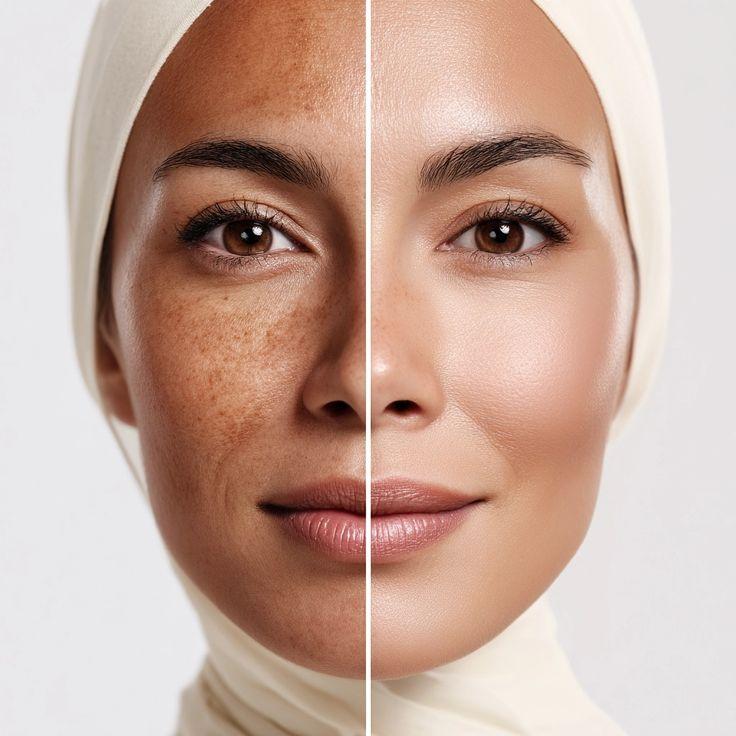
Dark spots and uneven skin tone are common concerns that can affect the appearance of an otherwise healthy complexion. These marks may develop gradually due to sun exposure, hormonal fluctuations, acne breakouts, ageing, or skin inflammation. In a sunny environment like Dubai, frequent ultraviolet exposure can make certain pigmentation concerns more noticeable. Understanding the causes of Skin Pigmentation in Dubai can help you identify why dark spots appear and explore suitable ways to manage them. With consistent skincare, appropriate sun protection, and carefully selected treatments, you can work towards a smoother and more even-looking complexion.
What Are Dark Spots on the Skin?
Dark spots are areas where the skin appears darker than the surrounding complexion because of increased melanin production or uneven pigment distribution. Melanin is the natural substance responsible for skin, hair, and eye colour.
When pigment-producing cells become overactive, excess melanin may accumulate in certain areas, creating visible discoloration. This condition is commonly known as hyperpigmentation.
Dark spots can appear on the face, forehead, cheeks, upper lip, neck, hands, and other areas exposed to sunlight. Their colour, size, and appearance depend on the underlying cause and the depth of pigmentation.
Common Causes of Dark Spots
Understanding what triggers discoloration is an important step towards choosing the right skincare approach.
Sun Exposure and UV Damage
Sunlight is one of the leading contributors to dark spots. Ultraviolet radiation stimulates melanin production, which helps protect the skin from potential damage.
Repeated exposure without sufficient sun protection can lead to sunspots, freckles, and uneven skin tone. Dubai's sunny weather makes consistent sunscreen application especially important.
Acne and Post-Inflammatory Hyperpigmentation
Acne breakouts can leave dark marks even after the pimples have healed. This happens when inflammation stimulates additional melanin production.
Post-inflammatory hyperpigmentation is particularly noticeable in individuals with medium to darker skin tones. Picking, squeezing, or scratching acne lesions may increase the risk of persistent discoloration.
Hormonal Changes and Melasma
Hormonal fluctuations can contribute to melasma, a pigmentation condition that causes brown or greyish patches on the face.
It commonly affects the cheeks, forehead, nose, and upper lip. Pregnancy, hormonal medications, and sunlight exposure may contribute to its development or worsen existing patches.
Ageing and Accumulated Sun Damage
As skin ages, years of ultraviolet exposure may lead to the development of age spots. These flat brown marks are commonly found on the face, hands, arms, and shoulders.
Skin Irritation and Inflammation
Certain cosmetic products, aggressive exfoliation, burns, and inflammatory skin conditions can trigger discoloration. When the skin becomes irritated, melanin production may increase as part of its response to inflammation.
Different Types of Dark Spots
Not every dark mark has the same underlying cause. Recognising the common types can help you understand your skin concerns.
Sunspots
Sunspots, also called solar lentigines, are flat brown marks caused by accumulated ultraviolet exposure. They usually appear on frequently exposed areas.
Melasma Patches
Melasma creates larger areas of brown or greyish discoloration. Unlike isolated sunspots, these patches often appear symmetrically across the face.
Acne Marks
Post-acne dark spots develop after inflammation caused by pimples and other blemishes. They can remain visible for weeks or months.
Freckles
Freckles are small, flat spots influenced by genetics and sunlight. They often become more prominent after periods of increased sun exposure.
Age Spots
Age spots are commonly associated with long-term sun exposure and natural skin changes. They usually appear as separate brown patches on exposed body areas.
Effective Ways to Treat Dark Spots
The right treatment depends on the type, depth, and severity of pigmentation. Different approaches can help improve the appearance of discoloration.
Laser Pigmentation Treatment
Laser technology uses controlled light energy to target selected pigment deposits within the skin. Certain laser systems may help reduce sunspots, freckles, and some forms of superficial hyperpigmentation.
The treatment settings and technology must be selected carefully according to skin tone and pigmentation type. Melasma requires particular caution because heat-based procedures may sometimes worsen the condition.
Chemical Peels
Chemical peels use exfoliating ingredients to remove damaged outer skin cells and support skin renewal.
Ingredients such as glycolic acid, lactic acid, and salicylic acid may help improve superficial dark spots, acne marks, and uneven texture.
The appropriate peel strength depends on individual skin sensitivity and the nature of the discoloration.
Vitamin C Skincare
Vitamin C is an antioxidant commonly used to support brighter-looking skin. It helps protect against oxidative stress and may improve the appearance of uneven skin tone when used consistently.
It can be incorporated into a morning skincare routine alongside moisturiser and sunscreen.
Niacinamide
Niacinamide is a form of vitamin B3 that supports the skin barrier and helps improve the appearance of discoloration. It is commonly included in serums and moisturisers for uneven skin tone.
Azelaic Acid
Azelaic acid is an ingredient often used to manage acne-related discoloration and certain pigmentation concerns. It can help improve uneven tone while also addressing acne-prone skin.
How to Prevent New Dark Spots
Preventive care plays an important role in maintaining an even complexion. Small daily habits can help reduce exposure to common pigmentation triggers.
Apply Sunscreen Every Morning
Use broad-spectrum sunscreen with SPF 30 or higher to protect your skin against UVA and UVB radiation. Apply it to exposed areas before going outdoors.
Reapply During Outdoor Activities
Reapply sunscreen approximately every two hours when outdoors and after swimming or excessive sweating.
Avoid Picking Blemishes
Allow acne lesions to heal naturally instead of squeezing or scratching them. This can help reduce inflammation and lower the likelihood of post-inflammatory dark marks.
Choose Gentle Skincare Products
Avoid products that cause burning, excessive dryness, or irritation. A healthy skin barrier is important for maintaining an even-looking complexion.
Wear Sun-Protective Accessories
Sunglasses, wide-brimmed hats, and protective clothing can help limit direct sunlight exposure.
How Long Does It Take for Dark Spots to Fade?
The time required for dark spots to improve depends on their cause, depth, and severity.
Superficial pigmentation may gradually fade over several weeks or months. More persistent discoloration, such as melasma or deeper hyperpigmentation, may require longer-term management.
Consistent skincare and sun protection are essential because continued UV exposure can make existing marks darker and encourage new pigmentation.
Common Mistakes to Avoid When Managing Dark Spots
Certain habits can make pigmentation more difficult to manage.
Skipping Sun Protection
Without sunscreen, UV exposure can contribute to further melanin production and worsen discoloration.
Overusing Exfoliating Products
Excessive exfoliation can irritate the skin and potentially trigger additional pigmentation.
Trying Multiple Treatments at Once
Combining several strong products or procedures without considering their effects can increase sensitivity and inflammation.
Expecting Overnight Results
Dark spots generally take time to improve. Consistent care is more beneficial than frequently switching products in search of immediate results.
When Should Dark Spots Be Evaluated?
If dark spots persist, spread, or become more noticeable, an appropriate skin assessment can help identify their underlying cause and suitable management options.
It is particularly important to have any new, changing, irregular, bleeding, or unusual pigmented lesion medically evaluated before considering cosmetic procedures.
Conclusion
Dark spots can develop for several reasons, including sun exposure, hormonal changes, acne inflammation, and natural skin ageing. Understanding the type of discoloration is essential for selecting an appropriate treatment approach. Laser procedures, chemical peels, vitamin C, niacinamide, and other targeted skincare ingredients may help improve the appearance of uneven skin tone when used appropriately. Daily sunscreen application and gentle skincare also play an important role in preventing further discoloration. TAJMEELS CLINIC offers information about pigmentation care options for individuals looking to address dark spots and achieve a more even-looking complexion.
For More Details, Contact Us Through:
WhatsApp: +971 56 203 8751
Phone: +971 4 373 9000
Social Media:

 English
 Arabic
 French
 Spanish
 Portuguese
 Deutsch
 Turkish
 Italiano
 Russian
 Romaian
 Portuguese (Brazil)
 Greek